
After the Revolution, George Washington returned to Mount Vernon to pursue agricultural innovation and build his reputation as a leading American farmer, relying on enslaved labor to sustain the plantation.
After resigning his commission and command of the army, Washington returned home to Mount Vernon. This act drew comparisons to the ancient Roman leader Cincinnatus, who retired to his farm after saving Rome. Washington’s reputation as America’s greatest farmer would become an international story.
Despite aiming to improve American farming with new crops and agricultural methods, he continued to rely heavily on enslaved labor to build his wealth. While Washington grew frustrated with slavery’s inefficiency and expressed a desire to emancipate his slaves, he continued to use enslaved men, women, and children until his death. His will freed 123 enslaved people, but many others remained in bondage, as he was legally unable to free them. Washington’s farming legacy is inseparable from the lives of the enslaved people at Mount Vernon.

Farmer
George Washington studied and implemented improved farming methods throughout his life. In fact, he thought of himself first as a farmer.
Learn More
Slavery
Approximately 90 percent of Mount Vernon’s sizable workforce was made up of enslaved Africans and African Americans. Washington’s vision for productivity often meant long workdays, demanding expectations, and frequent changes in work processes.
Learn More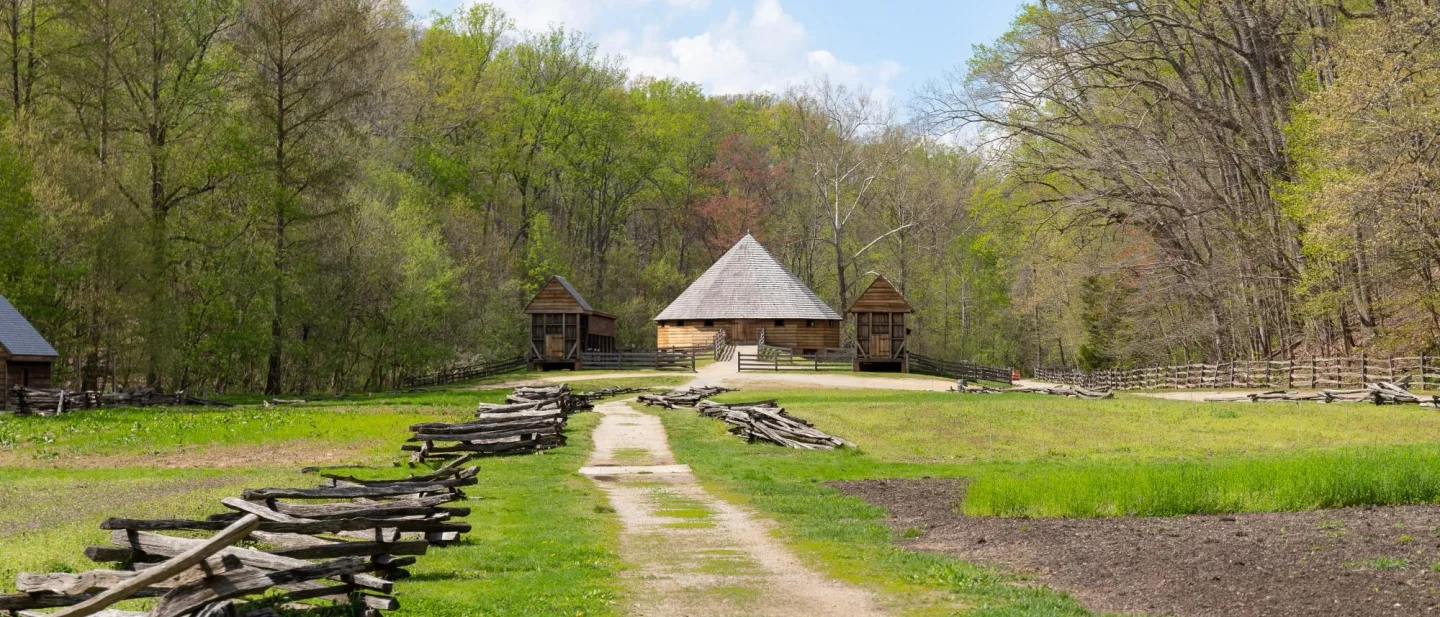
Washington’s Agricultural Vision
After the Revolution, Mount Vernon was both George Washington’s home and the center of an ambitious agricultural enterprise. Divided into five farms—Mansion House, Dogue Run, Muddy Hole, River, and Union—the estate served as a testing ground where Washington experimented with crop rotation, livestock breeding, and other innovations he hoped would help American farmers build a thriving and sustainable agricultural economy.
The Five Farms
Can you find the Mansion on this map?
Exhibit
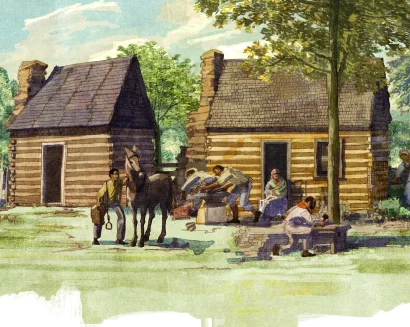
Lives Bound Together
Explore the lives of the enslaved people at Mount Vernon with this in-depth exhibit, included with admission.
Washington & Slavery
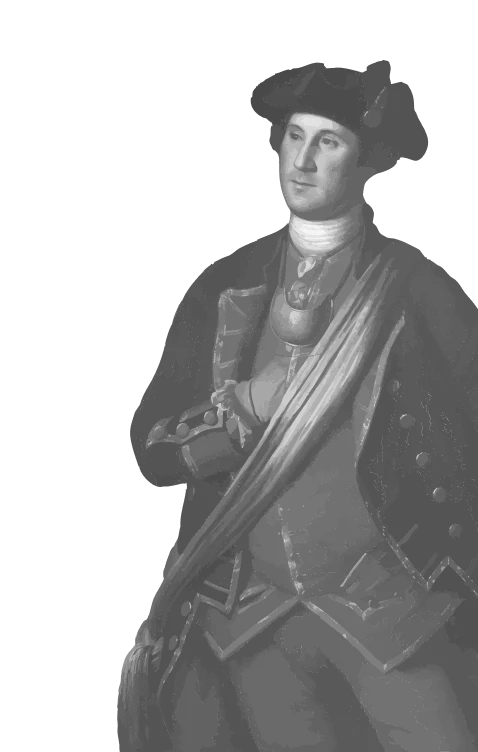
Over his lifetime, Washington gradually shifted from accepting slavery to recognizing its immorality. He also grew frustrated with slavery’s inefficiencies and hoped Virginia would follow northern abolition examples. In the 1760s, George Washington did not question slavery. By the 1780s, he sought to lessen the harshness of enslavement. In the 1790s, he sought to free some enslaved laborers. In his will, he freed 123 enslaved individuals.

There is not a man living who wishes more sincerely than I do, to see a plan adopted for the abolition of [slavery]…and this, as far as my suffrage will go, shall never be wanting.- George Washington to Robert Morris, April 12, 1786
Families at Mount Vernon
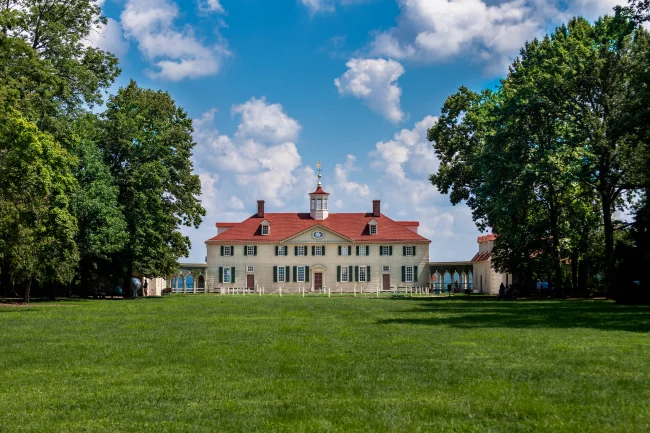
At Mount Vernon, the lives of the Washington family and the enslaved community were closely connected, forming a large and complex plantation society. Family life included relatives, guests, and generations living together, while enslaved men, women, and children built their own families and networks under the constant pressures of labor and separation.

The Washington Family
Although George Washington never had any biological children, he did have a rather large family, comprised of his many siblings, step-children, and step-grandchildren.
Learn MoreWhat did an 18th-century family look like?
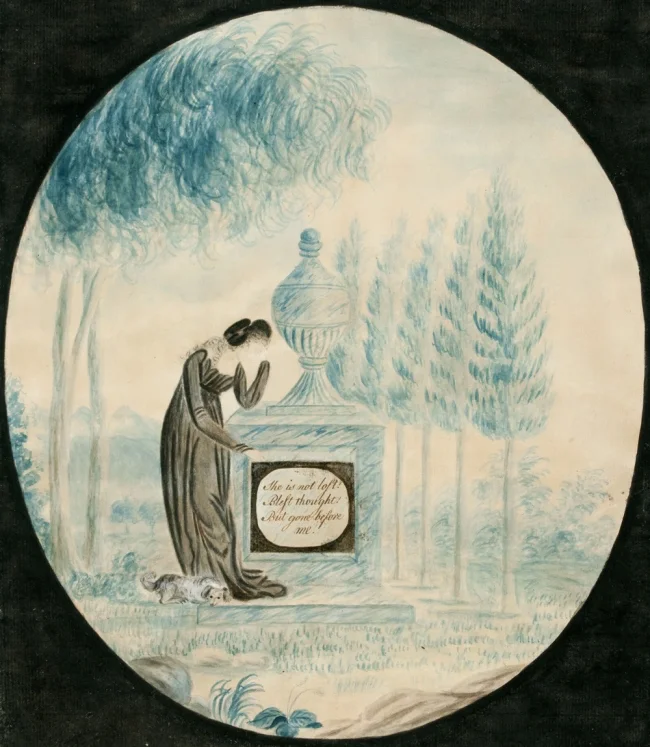
Early death for adults was not uncommon in the 18th century. New spouses, grandparents, siblings, cousins, and relatives helped young family members survive to adulthood. They played important roles in child-rearing and providing economic security.
The Washingtons, like many 18th-century families, experienced joyful births and untimely deaths. Martha Washington’s two oldest children died before reaching the age of five, and she was widowed when her first husband passed away. She brought her two youngest children to Mount Vernon after her marriage to George Washington.
By the 1780s, both of these children had died, leaving the Washingtons with four grandchildren. Other family losses led nieces and nephews to join the household. Even without children of their own, the Washingtons still raised a large family.

Music at Mount Vernon
Music filled daily life at Mount Vernon, from the Washington family's gatherings to the songs, rhythms, and traditions of the enslaved community.
Learn More
Food Culture
In the years following the Revolution, George Washington's popularity brought a steady flow of hungry visitors to Mount Vernon.
Learn More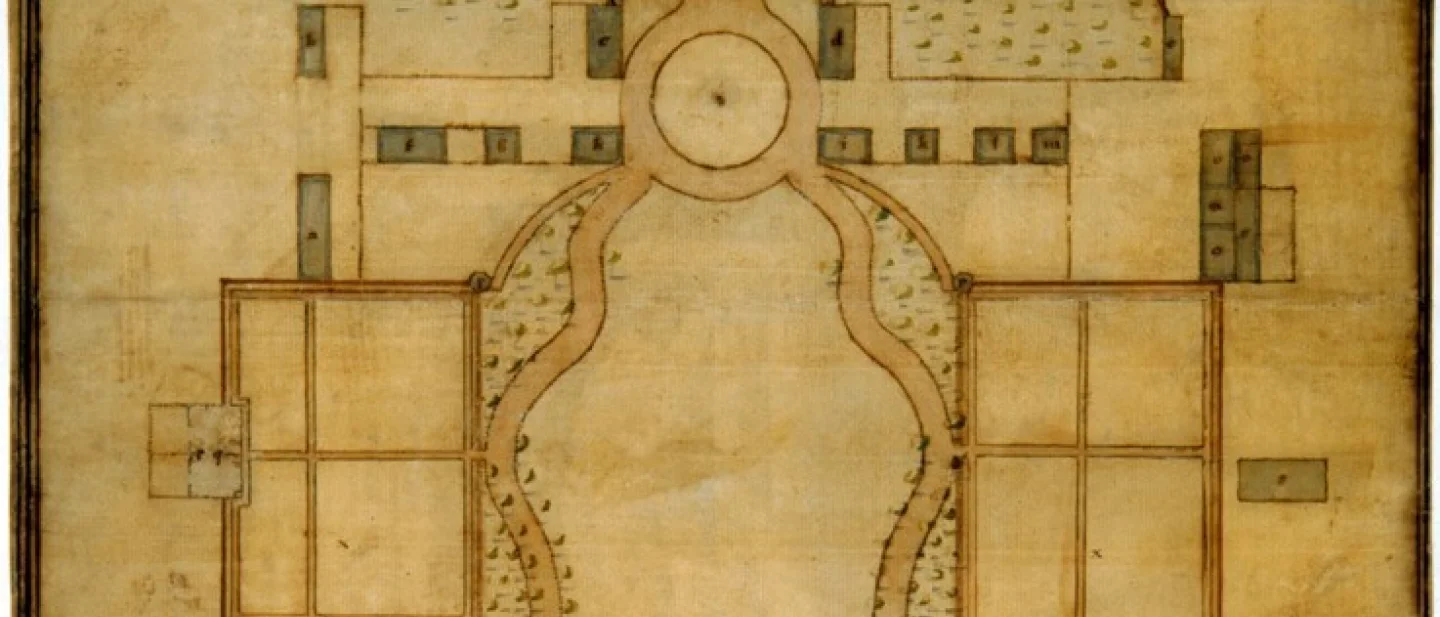
A Community in Bondage
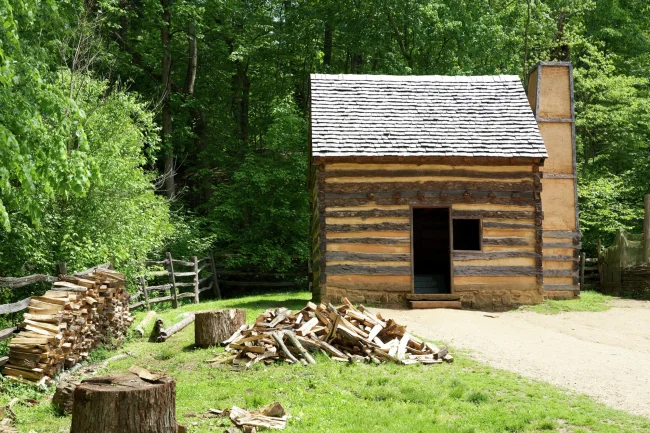
Enslaved people worked long hours. Beyond their forced labor for the Washingtons, they labored to provide food, warm homes, and care for their families. Washington allowed enslaved people at Mount Vernon to make money by selling garden produce, chickens, and eggs.
All ages worked daily. When not laboring for the Washingtons, they worked for their own families, including fishing or gathering kindling. Enslaved people older or unable to do hard labor cared for children and assisted with less strenuous tasks.
Washington’s farm reports demonstrate that a person’s value was directly tied to their work. These records indicate illnesses that disrupted work assignments and productivity.
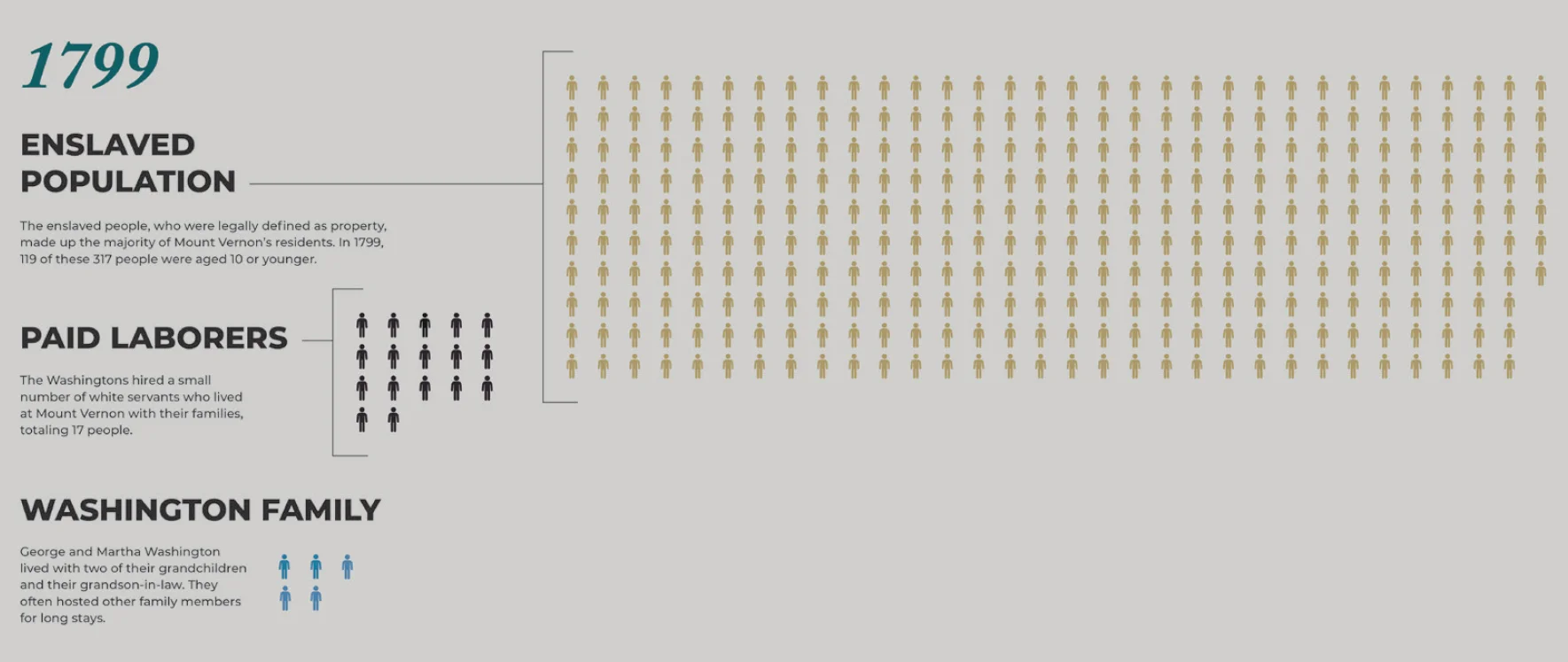
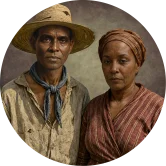
The people legally owned by the Washingtons had few choices and little control over their lives.
Enslaved individuals over age 11 at Mount Vernon were assigned labor, and families were often separated. Even in the face of these hardships, enslaved men, women, and children forged their own communities and networks within and beyond the plantation by sharing resources and traditions. They hunted, fished, raised poultry, and tended gardens to supplement their meager food rations. Spiritual ceremonies and celebrations occurred on Sundays, holidays, and evenings and often included music and dance.