
What turns a loyal subject into a rebel?

And how did George Washington become a patriot? Washington grew increasingly frustrated with how the British Empire governed Virginia. His war experience had shown him that American colonists were not seen as equals to British-born subjects. Trade regulations restricted what he could produce and sell, colonial laws could be vetoed without explanation, and Britain increasingly controlled the development of western lands.

When Parliament began taxing Americans directly, Washington feared his worst suspicions were true: British leaders were corrupt and aimed to subjugate the colonies. How far would they push? How far would Washington go?

Why Did Washington Join the Revolution?

A close examination of some of Washington’s writings provides many clues as to why he joined the Revolutionary War.

Learn More

Proclamation Line of 1763

Washington and other veterans of the French & Indian War expected land west of the Ohio River as payment for their service, but a royal proclamation blocked colonial settlement there, fueling Washington’s long struggle to claim the lands he believed were promised to him and his troops.

Learn More


Unrecognized Service

From his days as a young colonel in the Virginia Regiment, George Washington experienced firsthand the British military’s refusal to promote competent Virginians, or to allow Virginians to become officers in the regular army.

The military leadership did not respect the colonists’ service. This experience planted the seeds of Washington’s alienation from Britain.


British soldier

(Public domain)

We cant conceive, that being Americans shou[l]d deprive us of the benefits of British Subjects; nor lessen our claim to preferment: and we are very certain, that no Body of regular Troops ever before Servd 3 Bloody Campaigns without attracting Royal Notice.
- George Washington to Robert Dinwiddie, March 10, 1757
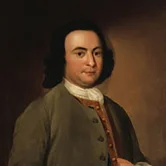
Rigging the System
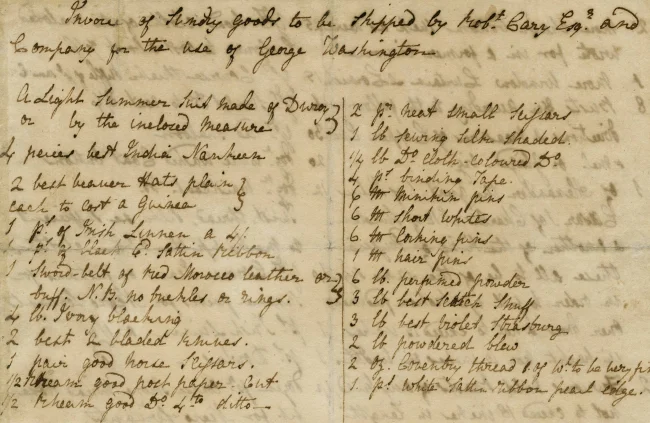
Trading Through London
Sundry goods
Invoice of sundry goods to be shipped by Robt. Cary Esqr. and Company for the use of George Washington, 1759 September 20. Purchased by the A. Alfred Taubman Fund, 2011. (MVLA)

Because tobacco could be sold only through British merchants, George Washington relied on a London agent to sell his crop and purchase the goods his household and plantation required. Each year he sent tobacco along with a list of items to buy with the profits. 

Sometimes the shipments arrived exactly as ordered; other times they were broken, incorrect, or more expensive than expected. With limited control over prices and purchases, many planters fell into debt to their British agents. 

Hoping to gain greater financial independence, Washington eventually shifted Mount Vernon’s main crop from tobacco to wheat.
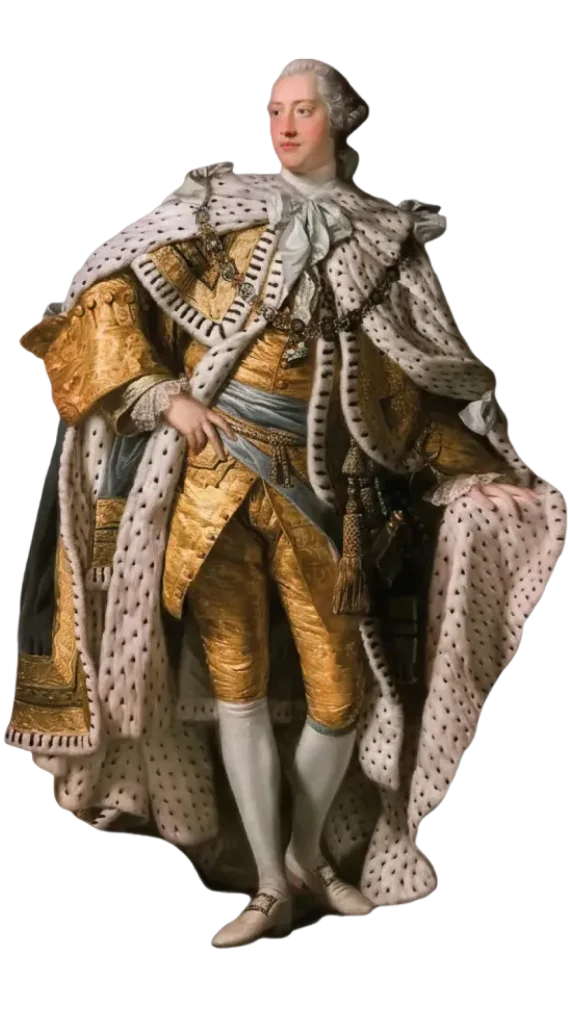
King George III

Who Was King George III?

(1738-1820)

Six years younger than George Washington, George III became king at age 22. In 1776, the Declaration of Independence named him as the villain, even though it was Parliament that had passed the offensive tax laws.

Throughout his life, the king was fascinated with agricultural innovations. Had a war for independence not separated them, George III and George Washington might have enjoyed discussing crops together.

With a reign of almost 60 years, George III was still king when Washington became president. In his new role, President Washington focused on forging a positive trading relationship with Great Britain. He wanted to maintain economic connections with the British while also pursuing trade with other European countries.


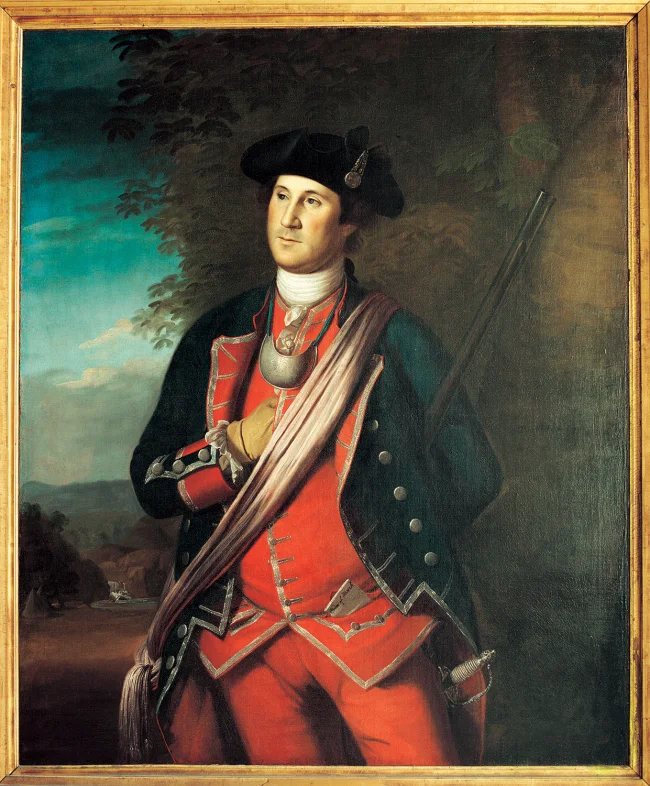
Colonel Washington
George Washington as Colonel in the Virginia Regiment, Charles Willson Peale, 1772. (Washington-Custis-Lee Collection, Washington and Lee University, Lexington VA)

Maintaining the Ties

No one immediately set a goal to form a new nation. Despite increasing frustrations, most colonial Americans continued to maintain strong ties to the British Empire. Washington did not initially think that separation from the British was the solution. 

In this first portrait of Washington, artist Charles Willson Peale shows Washington’s strong connection to Great Britain. Note his colonial uniform, officer’s sash, and crescent-shaped silver gorget engraved with the British royal coat of arms.


When Is It Time to Protest?


Gaining Respect as a Civilian Leader

When news of these Intolerable Acts reached Williamsburg, Washington and other members of the House of Burgesses in the Virginia Assembly took the unusual step of immediately passing a resolution supporting Boston.

The colonies had always been independent of one another. Many of their leaders began to feel they must work together to resist unfair treatment by Great Britain. Virginia politicians called for a Continental Congress to meet in Philadelphia. 

They selected George Washington as one of the representatives.


“The cause of Boston ... now is and ever will be considered the cause of America.”

– George Washington to George William Fairfax, June 10, 1774

"The alternative of Williams-burg." (LOC)