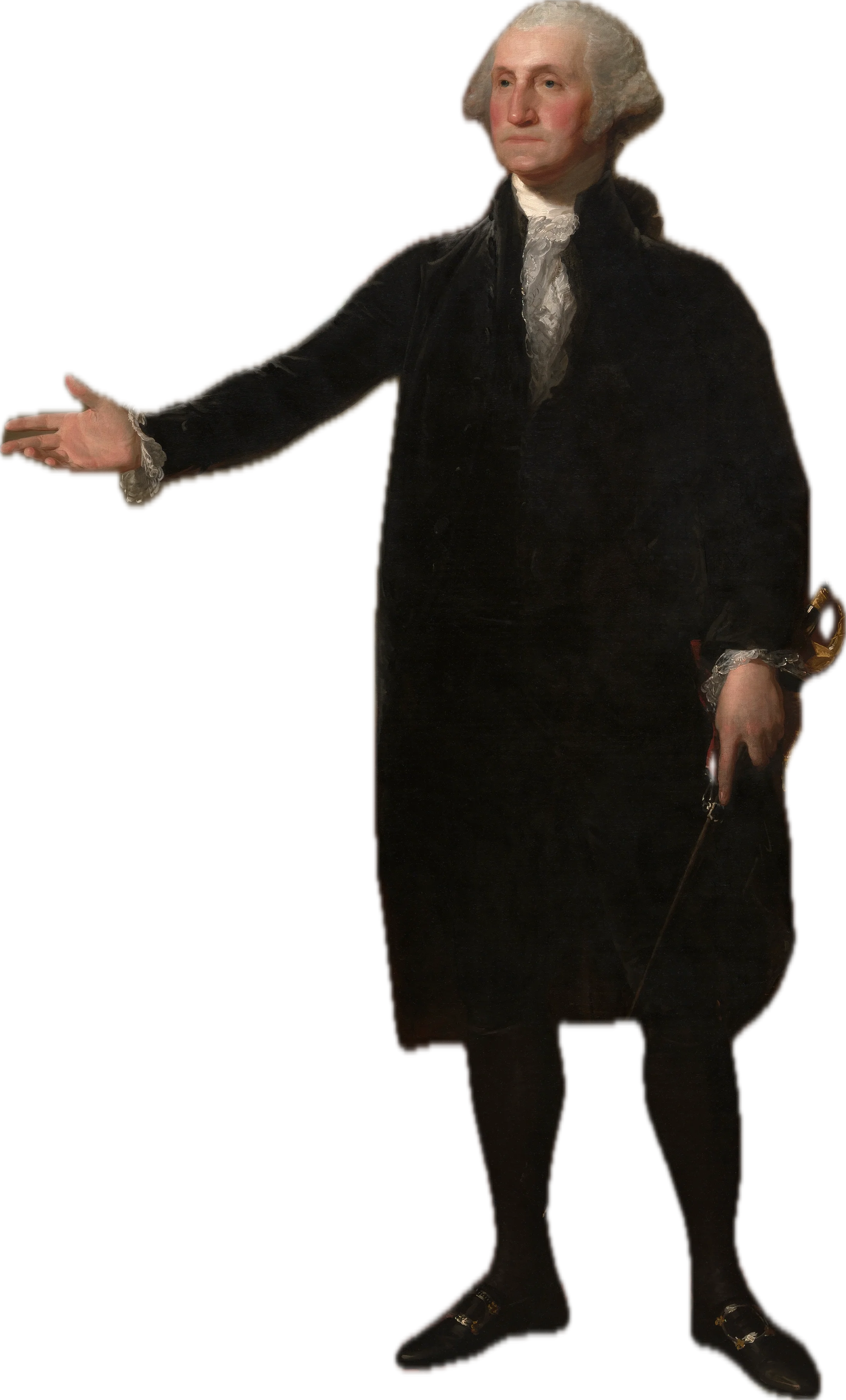
From linking the nation’s waterways to shaping its government, George Washington helped unite the states and lay the foundations of American democracy.
In the years after the American Revolution, George Washington turned his attention to a new challenge: securing the future of the United States. He believed the young nation’s survival depended on stronger connections, both physical and political, between the states. Through efforts like improving trade routes along the Potomac River, guiding cooperation between neighboring states, and presiding over the Constitutional Convention, Washington worked to transform a fragile union into a more unified and effective nation.
His leadership helped move the United States from a loose alliance of states toward a lasting system of government built on cooperation, compromise, and shared purpose.
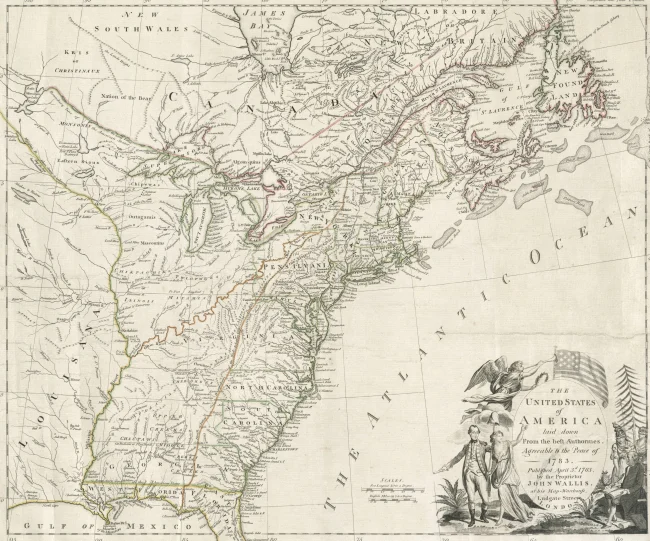
Nature's Obstacles to Union

The Potomac Company
Washington invested in and helped lead the Potomac Company, a corporation dedicated to using rivers to link the Ohio River to the Chesapeake Bay. The first company incorporated in multiple states, the Potomac Company assured that Maryland and Virginia would work together on Western development.
Learn MoreLimits of a Wartime Government
During the American Revolution, the 13 rebellious former colonies formed a joint government. They called their agreement the Articles of Confederation. When peace came, many people became frustrated by the government’s limitations. It stifled economic development and interstate cooperation.
Could the states work together in a time of peace?
A Need for Change
Navigation rights were one area where states competed against each other instead of working toward the common good. People from both Maryland and Virginia used the river for travel, fishing, and the transportation of goods. Each state developed its own tariffs and trade regulations, creating a complicated set of rules. Since Maryland controlled the river, Virginians feared their neighboring state would give its own citizens unfair advantages.
Washington had been concerned for years about ensuring equal access to the river and improving its navigation. When he learned that leaders in Maryland and Virginia planned a meeting to discuss regulating river use, he invited the delegates to gather at his home. Washington joined the “Mount Vernon Conference,” and his knowledge made him an important contributor.
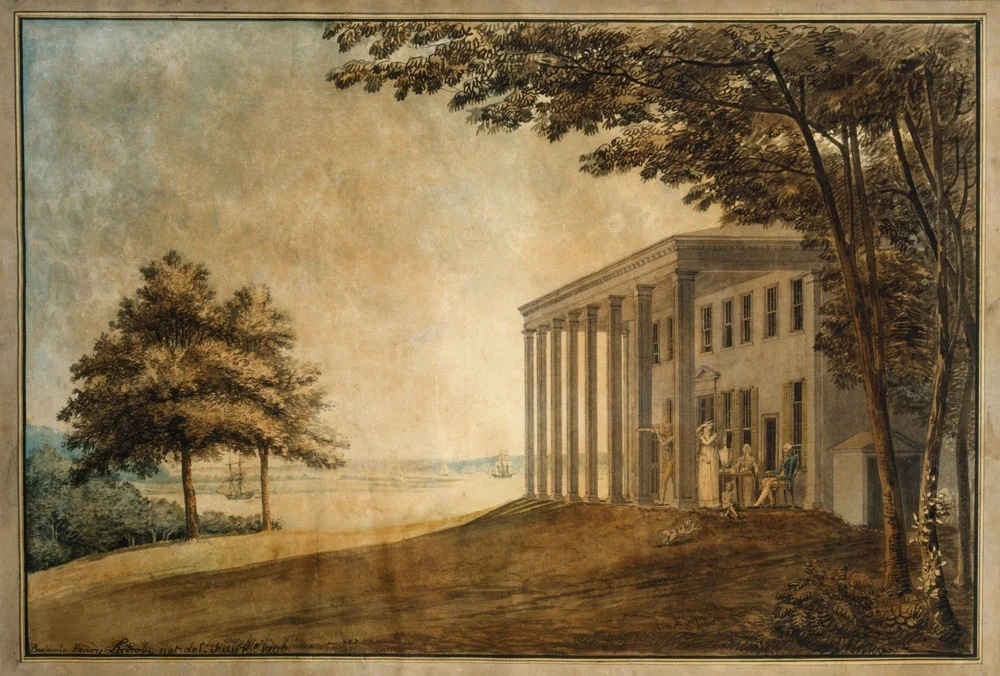
"View of Mount Vernon with the Washington Family on the Piazza," by Benjamin Henry Latrobe, 1796. Acquired through the generosity of an anonymous donor and collections funds, 2013. (MVLA)
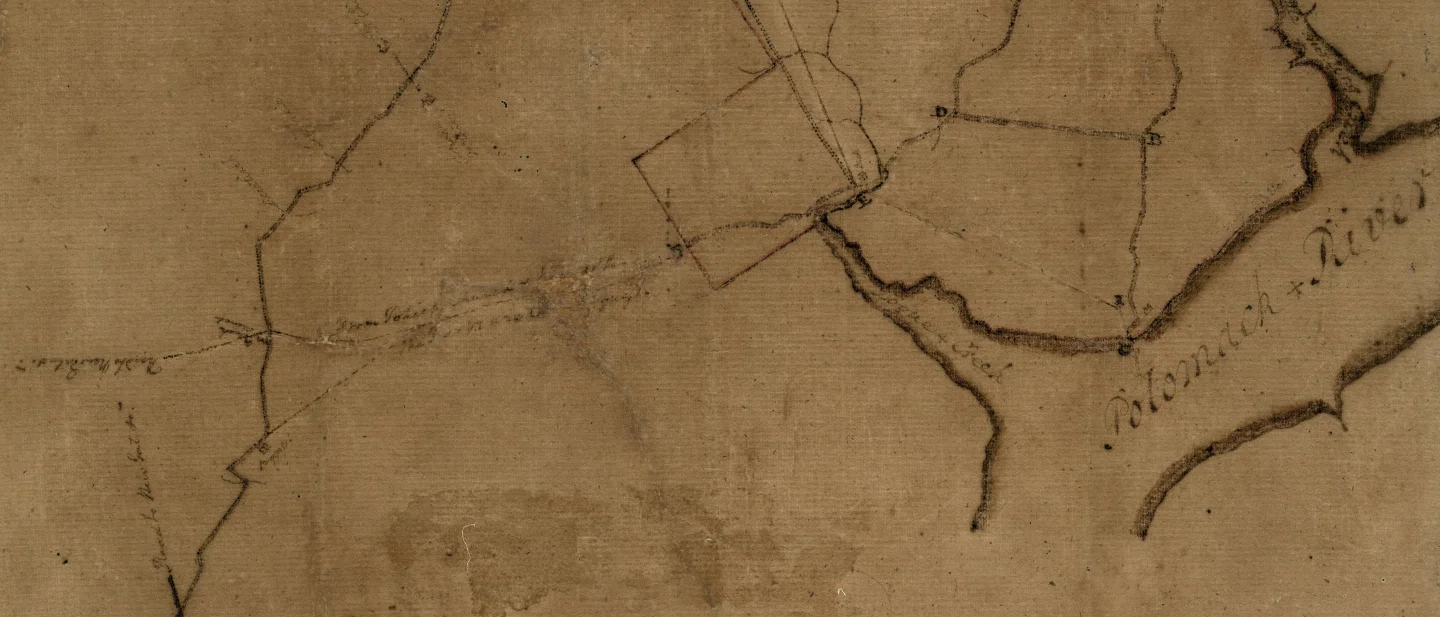
Growing Cooperation
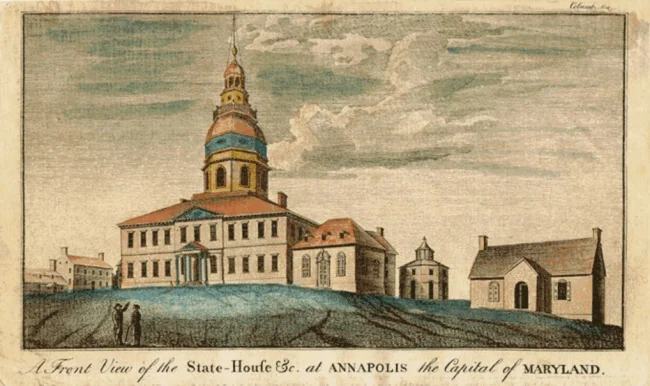
The Mount Vernon Conference in March 1785 drew up a 13-point agreement, called the Mount Vernon Compact, to address navigation rights and trade on the Potomac River and Chesapeake Bay. Both the Maryland and Virginia state legislatures ratified it, demonstrating successful cooperation between states.
The Compact encouraged collaboration with additional states. The following year, five states met in Annapolis to share ideas and discuss additional ways to work together. Armed rebellions in the western areas of North Carolina and Massachusetts created a sense of urgency. Disunion threatened if the states could not find solutions to their problems. Though only five states met in Annapolis in 1786, they decided to meet the next year in Philadelphia, hoping to bring all the states together.
The Constitutional Convention
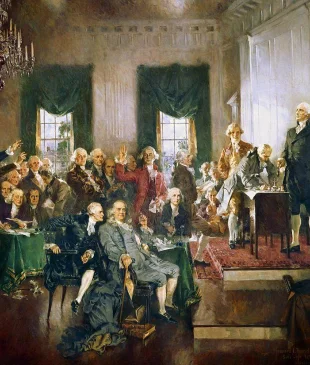
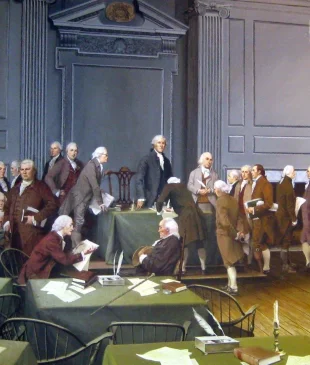
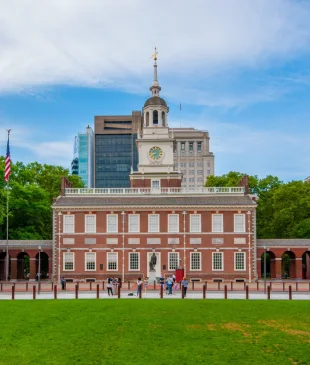
The Convention in Philadelphia had a nearly impossible challenge: create a government that balanced the interests of state governments with the need for a central entity that could support the people of the United States in peace and war.
Many delegates feared that an overly powerful central government would limit states’ and individuals’ rights. Others believed that only a strong central government could hold everyone together.