
Explore the Works of the George Washington Book Prize
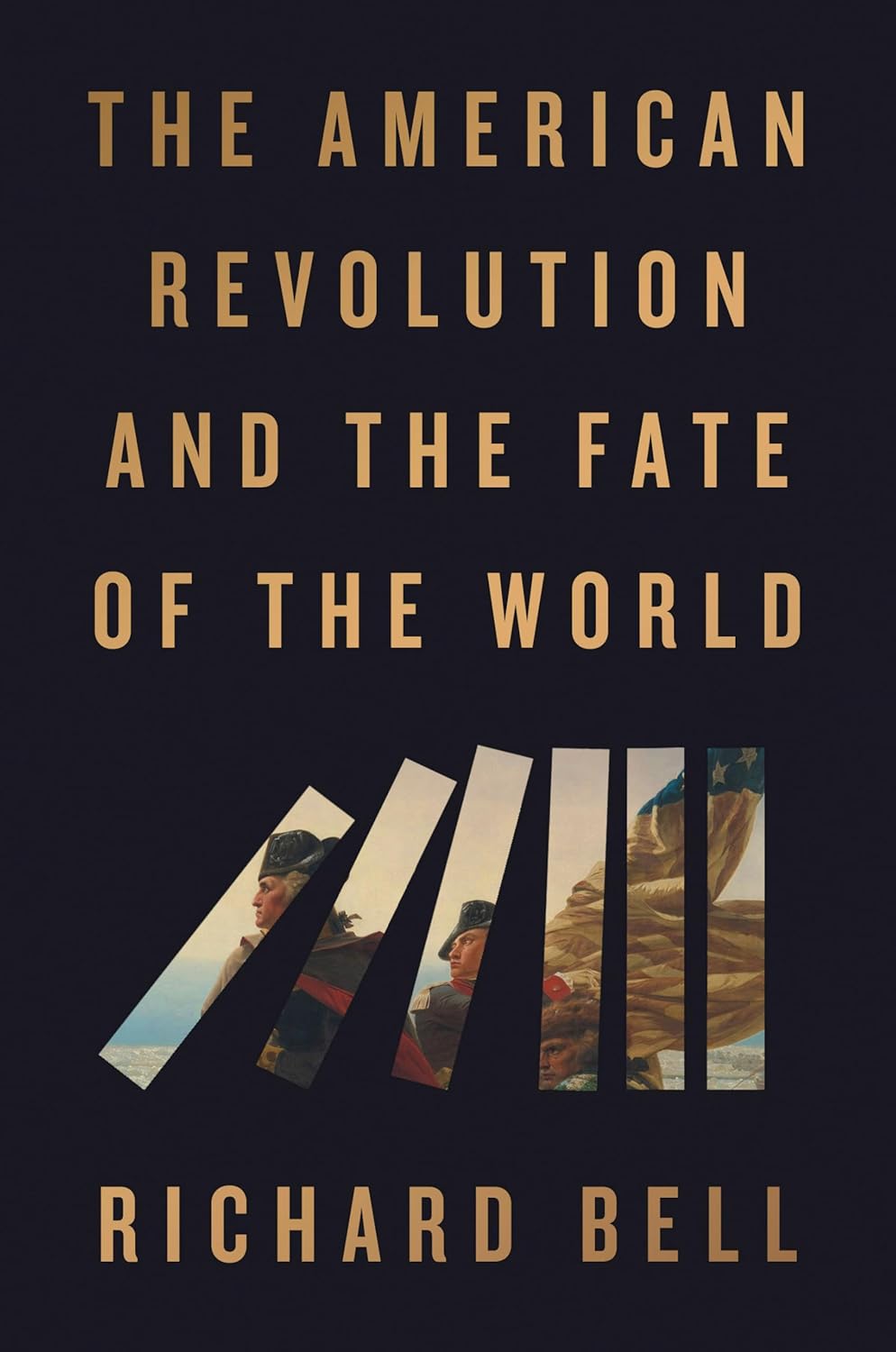 The American Revolution and the Fate of the World
Richard Bell, a British-born historian, restores the American Revolution to the vast imperial worlds in which it was born, waged, and won. In his hands, the War for American Independence becomes a sweeping struggle over commerce, boundaries, sovereignty, slavery, and the very meaning of liberty itself.
Moving from familiar locales like Boston and Philadelphia across the Atlantic and as far afield as India and Australia, Bell shows how a rebellion in thirteen minor British colonies in America remade lives and reordered empires across the globe.
He is especially good at recovering the voices of those pushed to the margins of patriotic narratives, from Molly Brant and Harry Washington to privateers, convicts, common soldiers, and loyalist refugees.
Accessibly written and exhaustively researched, The American Revolution and the Fate of the World is a timely reminder that America’s story has never unfolded in isolation.
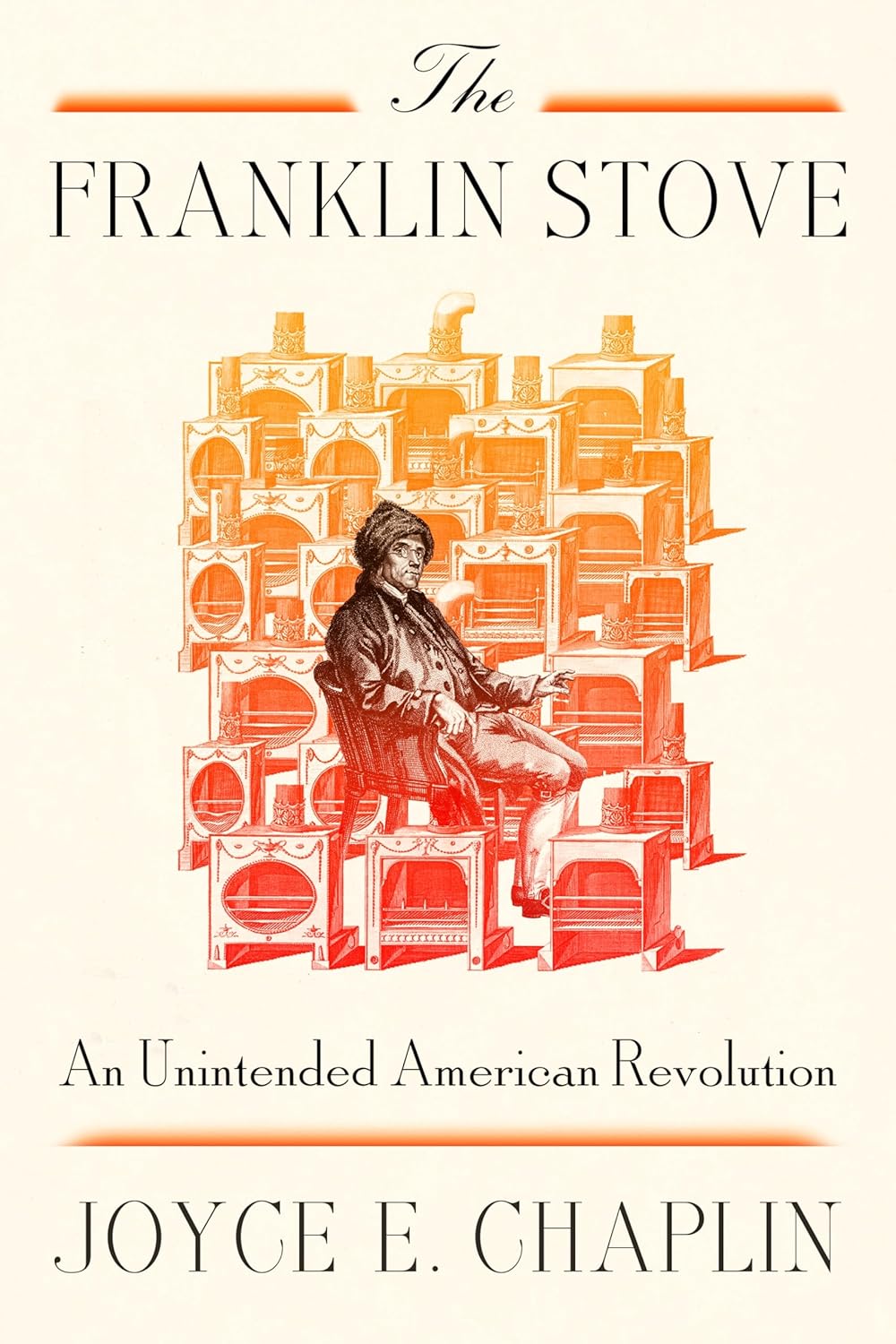 The Franklin Stove: An Unintended American Revolution
Sparkling, witty, compelling—not the usual adjectives applied to a deeply researched historical study.
But in the hands of a master historian, the humble Franklin stove provides the starting point for wide-ranging and inventive (pun intended) discussions of technology, colonialism, science, and the environment.
Along the way, Joyce Chaplin also offers a fresh take on Benjamin Franklin, as scientist and entrepreneur. Chaplin especially shines when she links the historical past to the urgencies of the present.
Anyone who thinks our environmental problems and possible solutions are new to America will be struck by the similarities between then and now.
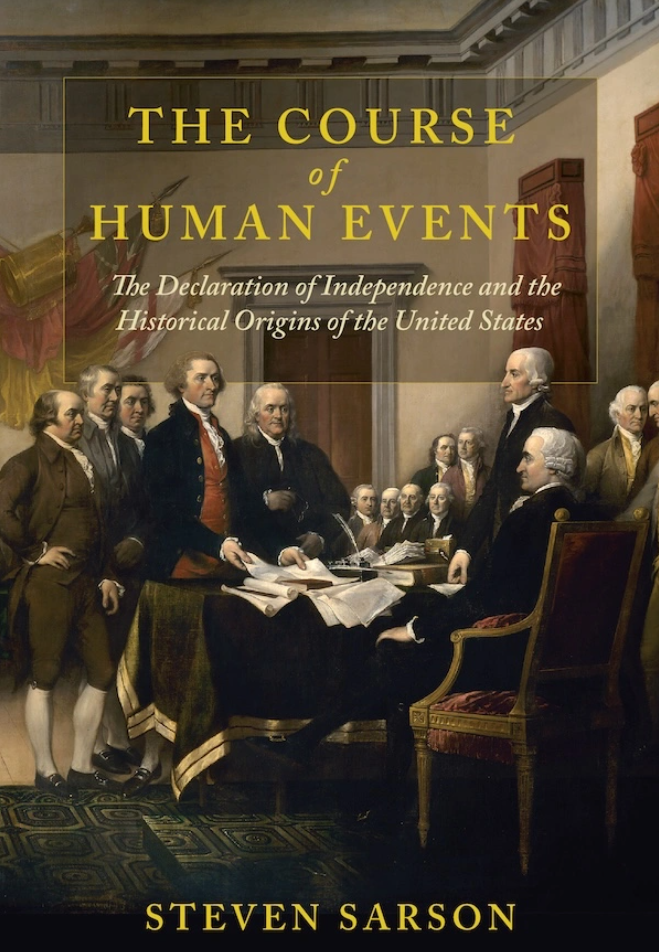 The Course of Human Events: The Declaration of Independence and the Historical Origins of the United States
With this timely book, Steven Sarson reminds readers that the authors and signers of the Declaration of Independence operated . . . well . . . in the course of human events.
That is, they molded the Declaration within a long context of historical events. Rather than a rupture with history, the Declaration encapsulated long-held understandings of natural law, which Sarson argues lay at the heart of the document.
As Americans commemorate America250, Sarson demonstrates that they have much to celebrate in the revolutionary aspirational creeds of the Declaration even as they confront a document wedded to the past as much as to the future.
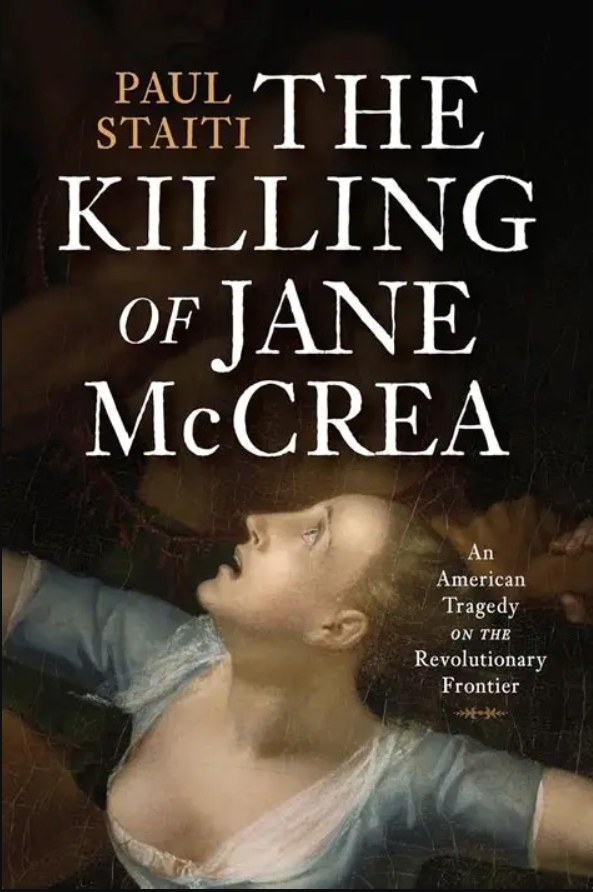 The Killing of Jane McCrea: An American Tragedy on the Revolutionary Frontier
There was a time when everyone in the British Atlantic world knew (or thought they knew) the tragic story of Jane McCrea.
Acclaimed art historian Paul Staiti centers this long-forgotten tale around an arresting 1804 painting in order to dive deeply into issues of Native Americans, the war of independence from both sides, and the use of women in propaganda.
With the expertise and zest of an accomplished storyteller, Staiti uses visual images, commentaries, personal papers, and literature to both show the ubiquity of the incident and demonstrate the multiple meanings for people of the time.
Ultimately, the Native Americans must also be counted as victims of this tragic tale as it became a rationale for discrimination and violence.
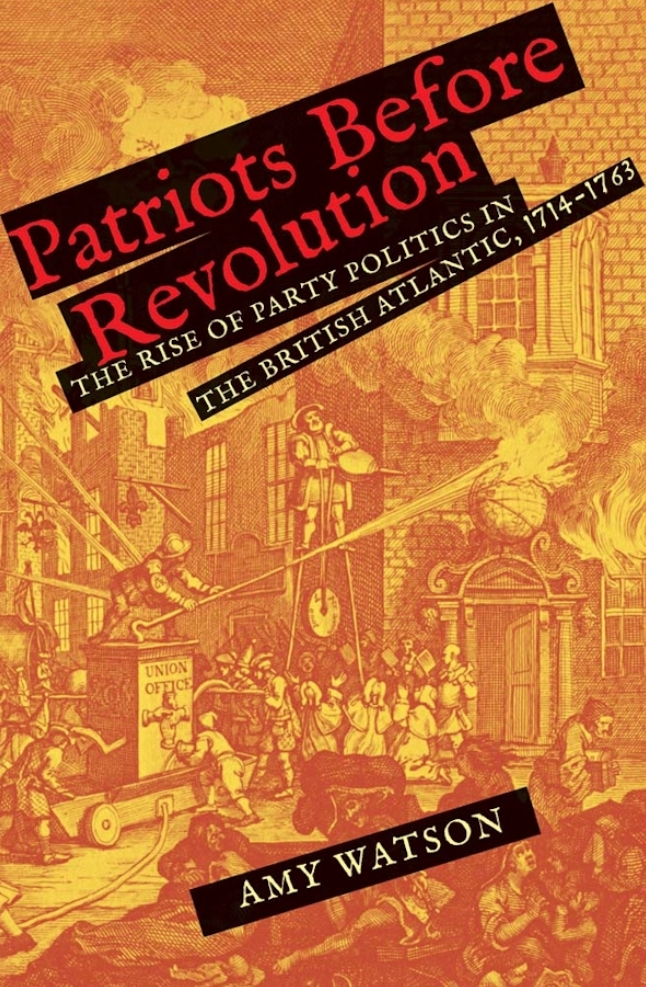 Patriots Before Revolution: The Rise of Party Politics in the British Atlantic, 1714−1763
In this eye-opening reconstruction of eighteenth-century British politics, Amy Watson reveals an American Revolution that was, with thorough irony, very British.
She exposes a British Empire rife with political dissent and instability before 1763, providing critical insight into the historical context of American revolutionaries.
Rather than invent new theories about British constitutionalism, those revolutionaries drew on decades of arguments about the proper limits and purposes of Parliament’s power. They also borrowed means of protesting what they considered Parliamentary overreach.
Around the British Empire—in London, Edinburgh, New York, and Georgia—British subjects contested Parliamentary powers with oppositional politics that future American revolutionaries adopted.
Meet the Authors

Richard Bell
Richard Bell is Professor of History at the University of Maryland and author of the book Stolen: Five Free Boys Kidnapped into Slavery and their Astonishing Odyssey Home which was a finalist for the George Washington Prize and the Harriet Tubman Prize. His new book, The American Revolution and the Fate of the World, is published by Penguin in November 2025.

Joyce E. Chaplin
Joyce E. Chaplin is the James Duncan Phillips Professor of Early American History in the Department of History at Harvard University, where she teaches the histories of science, climate, colonialism, and environment. An award-winning author, Chaplin’s works include The First Scientific American: Benjamin Franklin and the Pursuit of Genius and Round about the Earth: Circumnavigation from Magellan to Orbit. She is the editor of Benjamin Franklin’s Autobiography: A Norton Critical Edition.

Steve Sarson
Steve Sarson is Professor of American Civilization at Jean Moulin University in Lyon, France. His work includes books such as, The Tobacco-Plantation South in the Early American Atlantic World, British America, 1500-1800: Creating Colonies, Imagining an Empire, and Barack Obama: American Historian, articles in journals such as the Journal of Economic History, the Journal of the Early Republic, and the William and Mary Quarterly. He edited an 8-volume collection of documents (with Jack P. Greene) on The American Colonies and the British Empire.

Paul Staiti
Paul Staiti is the Alumnae Foundation Professor of Fine Arts at Mount Holyoke College. He teaches courses in Western art, American art, history painting, and the history of cinema. He has published work on Samuel F.B. Morse, William Michael Harnett, and Winslow Homer, and has co-curated an exhibition on John Singleton Copley at the Metropolitan Museum of Art in New York and the Museum of Fine Arts, Boston. His 2018 book, Of Arms and Artists, tells the story of five painters—Copley, Benjamin West, Charles Willson Peale, John Trumbull, and Gilbert Stuart—whose lives and careers were radically altered by the American Revolution.

Amy Watson
Amy Watson is an Assistant Professor of History at the University of Alabama at Birmingham. Her research examines the political history of the early modern British Empire. Her first book, Patriots Before Revolution: The Rise of Party Politics in the British Atlantic, 1714-1763 (Yale University Press, 2025), traces the British origins of the Patriot party, which later inspired the American Revolution. She has also published in The William and Mary Quarterly and The Scottish Historical Review.

Sponsored By Ford Philanthropy
Mount Vernon has enjoyed a very special relationship with the Ford Motor Company dating back more than 90 years.
We are grateful for their generous support and we applaud their abiding respect for American heritage.