
Discover Revolutionary Spies Through Interactive Activities
9:30 a.m. - 3:30 p.m.
Step into the secret world of Revolutionary spy craft by exploring real spy techniques used during the Revolution on the bowling green.
On the Bowling Green, visit activity stations and read primary sources to learn about George Washington's role in American espionage, the Culper Spy Ring, and other Revolutionary War spies.
Explore our New Hands-On-History Center
10 a.m. - 4 p.m.
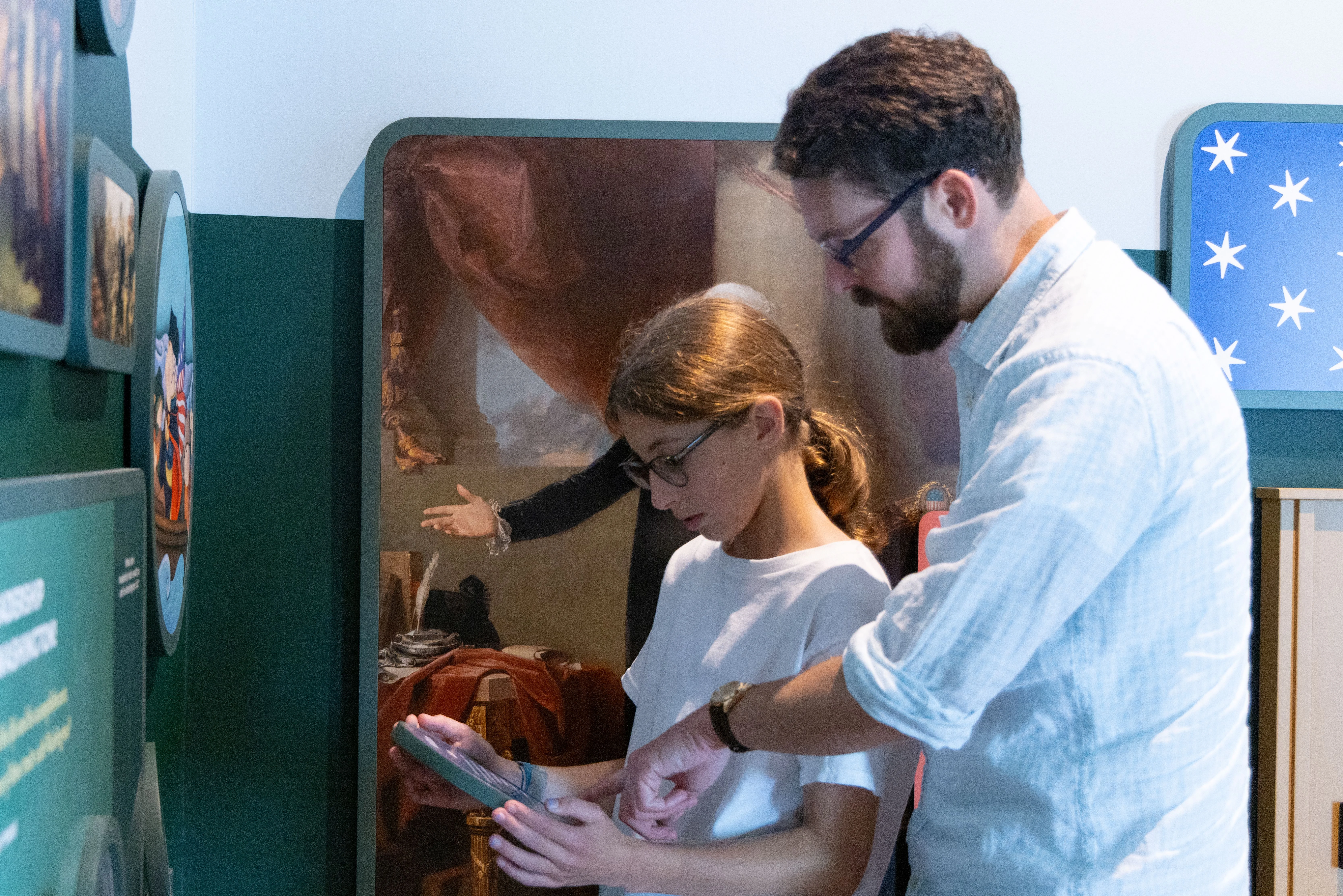
Have you ever wanted to become a spy? Uncover the secrets of coded messages as you create and use your own Culper Spy Ring cipher wheel.
Put your code-cracking skills to the test and participate in a top-secret scavenger hunt.
*While supplies last
The Hands-on-History Center is located in the Education Center.
Hear Stories From General Washington
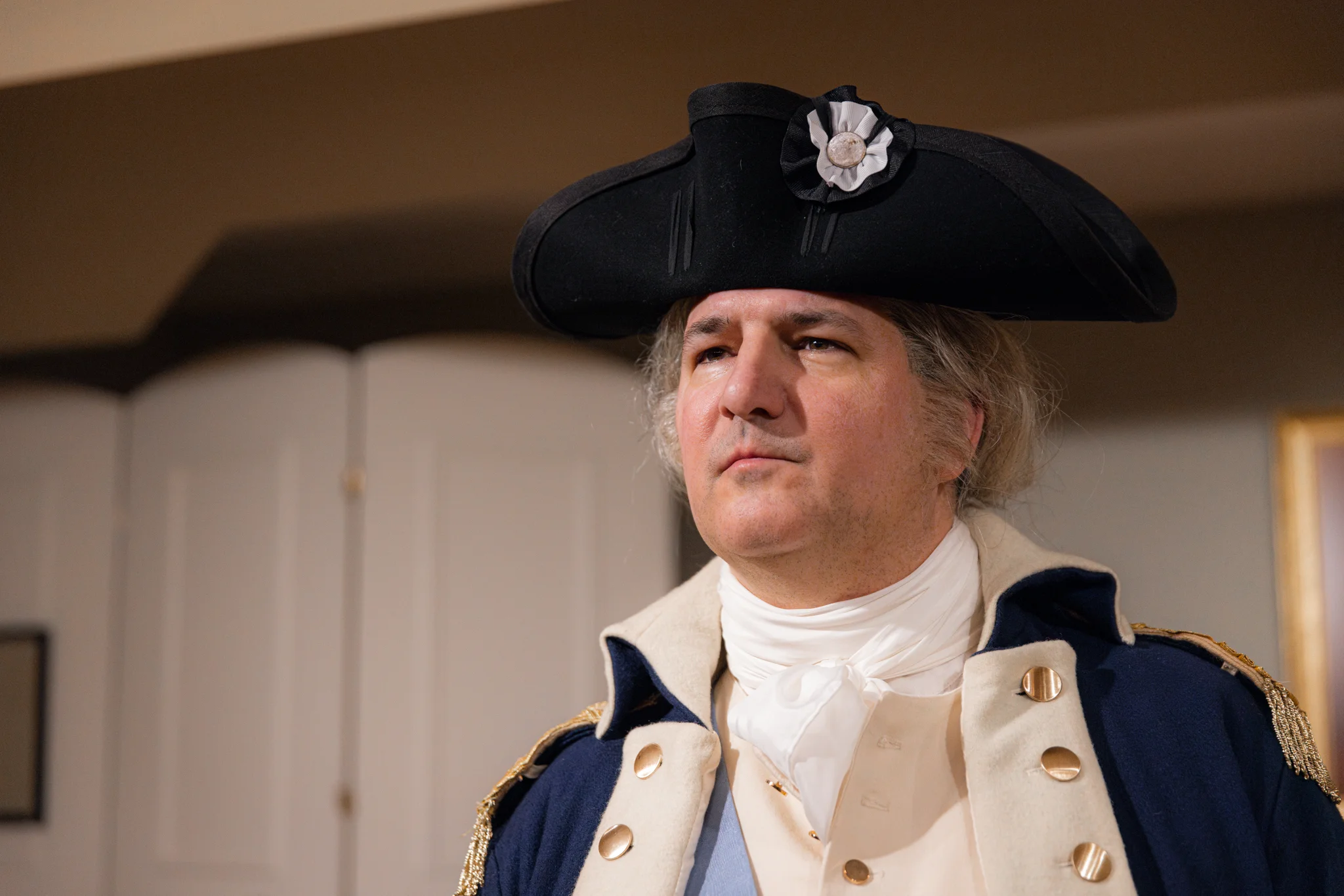
Listen to Revolutionary War history told by George Washington, America's first spy master, in the Smith Auditorium at 10 a.m. and 2 p.m. each day.
Get to Know People From Washington's World
Meet Benjamin Tallmadge at the crossroads all day to learn about his role as a spymaster and director of military intelligence for the Continental Army.
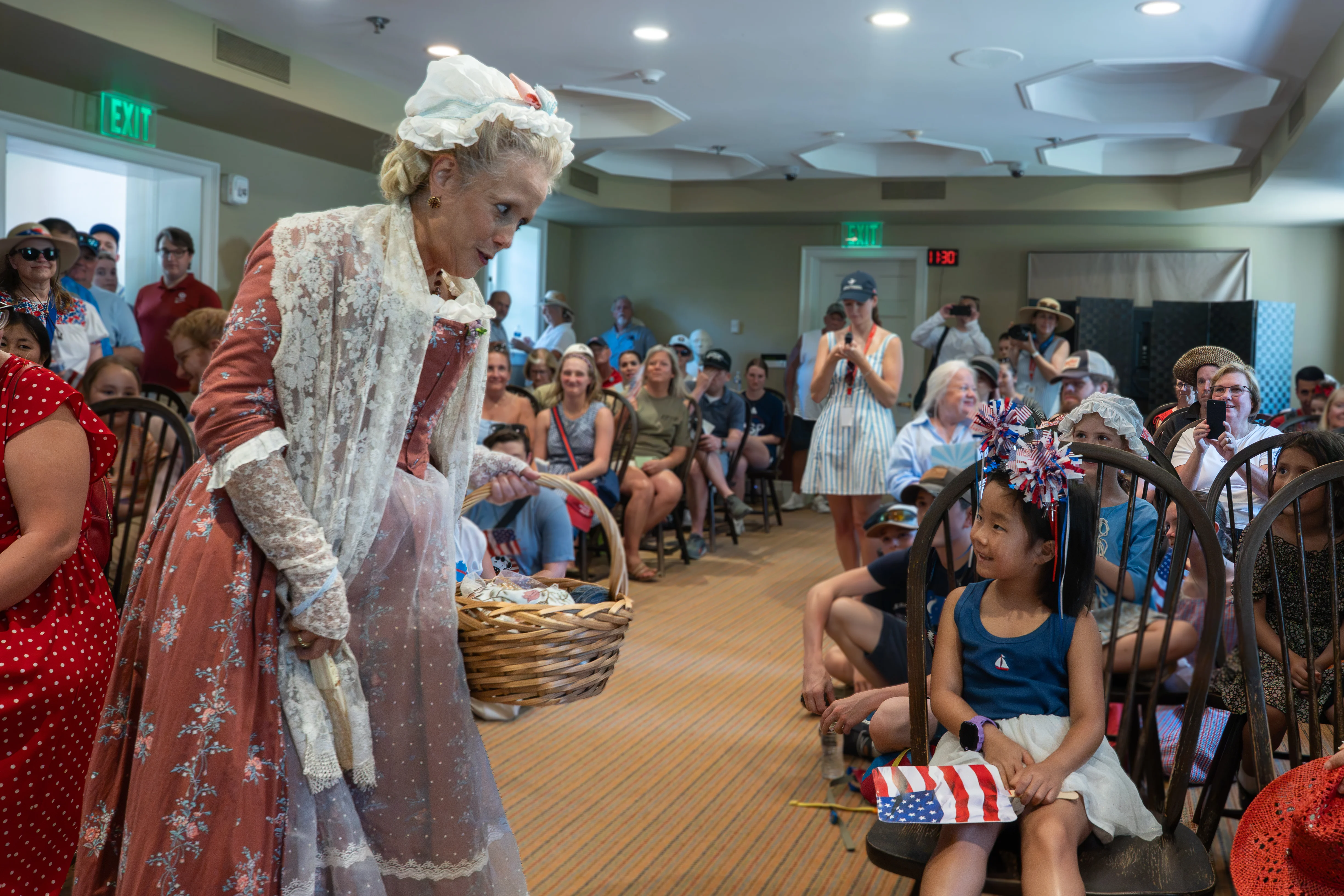
In the Interpretive Center, hear about the lives of hired laborers and family members who lived and worked at Mount Vernon.
Wednesday Performances:
- Eleanor "Nelly" Parke Custis - 10 a.m. and 3 p.m.
- Dr. James Craik - 12 p.m. and 2:30 p.m.
- Martha Washington - 1 p.m. and 2 p.m.
Thursday Performances:
- Tobias Lear - 10 a.m.
- Eleanor "Nelly" Parke Custis - 10:30 a.m. and 1:30 p.m.
- Martha Washington - 11 a.m. and 2 p.m.
- Dr. James Craik - 1 p.m.
Listen to Music of the Revolution
10:30 a.m., 12:30 p.m. & 2:30 p.m.
Hear our fifer play military music from the American Revolution using the fife, flute, and drums on the bowling green.

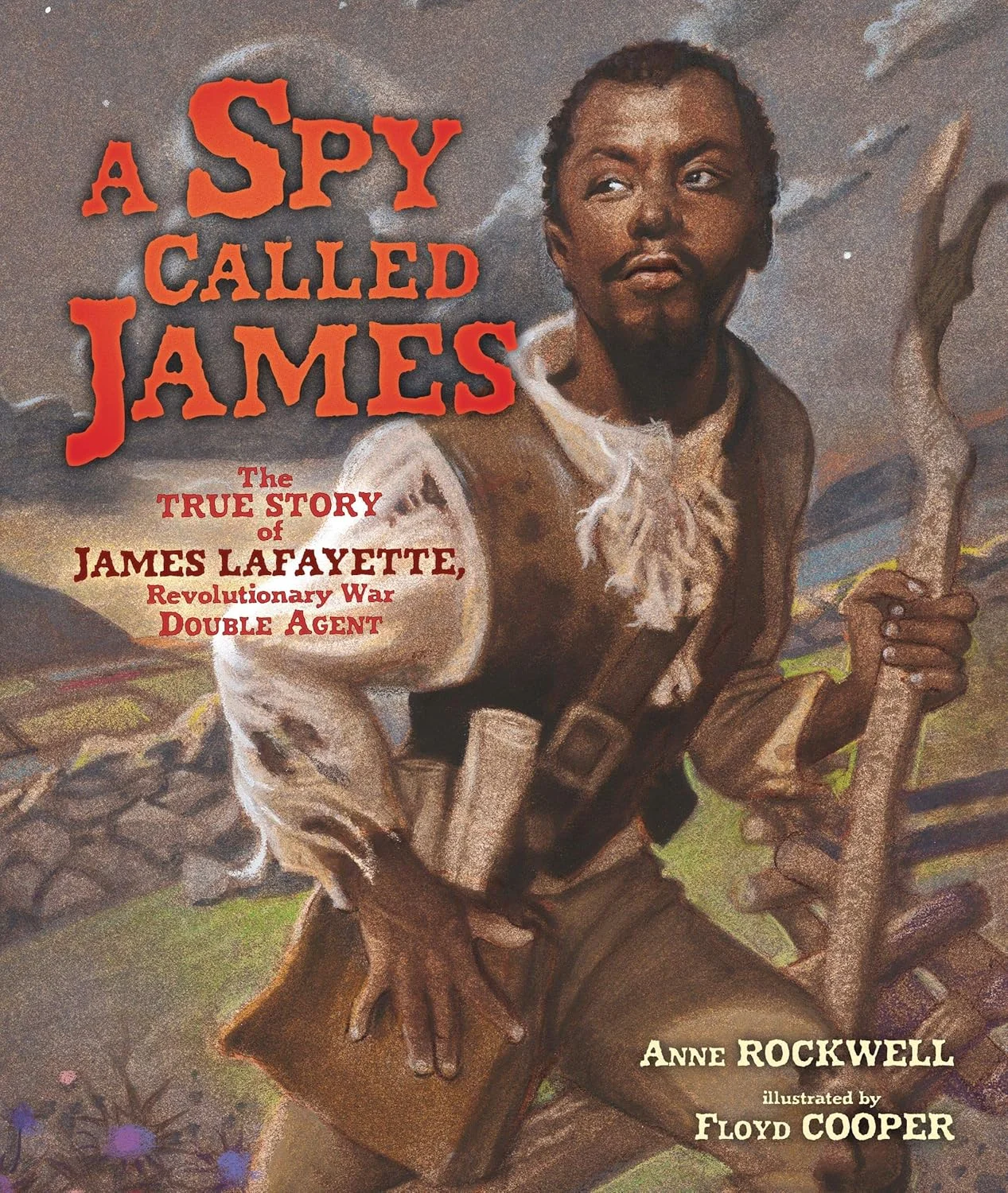
Attend a Reading of A Spy Called James
11 a.m. & 2 p.m.
Hear the true story of James Lafayette, an enslaved person who spied for George Washington's army during the American Revolution, during a reading of A Spy Called James.
Watch a Special Presentation by the CIA's Chief Historian

11 a.m. & 1 p.m. (Thursday only)
In Smith Auditorium in the Ford Orientation Center, listen to special guest David Robarge, Chief Historian of the Central Intelligence Agency, give a presentation on Revolutionary spies and their impact on American espionage today.
Meet the Author of the Virginia Mysteries Series & Have Your Book Signed
11 a.m. & 1 p.m. (Wednesday only)
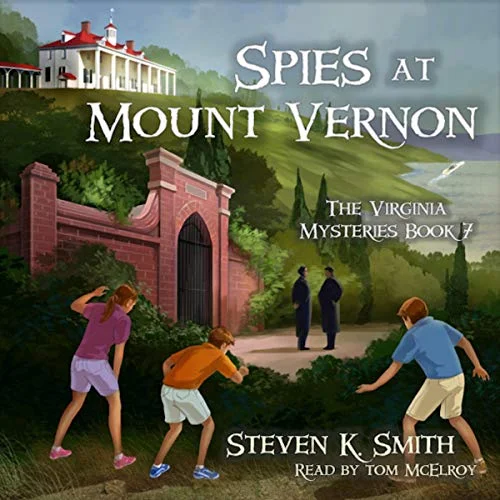
In Smith Auditorium, join Steven K. Smith, author of Spies at Mount Vernon, as he dives into how he became an author, the writing process, the real Virginia history behind the books, and answers audience questions.
From 10:30 a.m. to 1:30 p.m., purchase a copy of the book in the Vaughan Lobby.
From 11:30 a.m. to 1 p.m., greet the author and have your book signed.
See 18th-Century Trades Demonstrations
Watch Colonial Spinning, Weaving & Blacksmithing
All Day
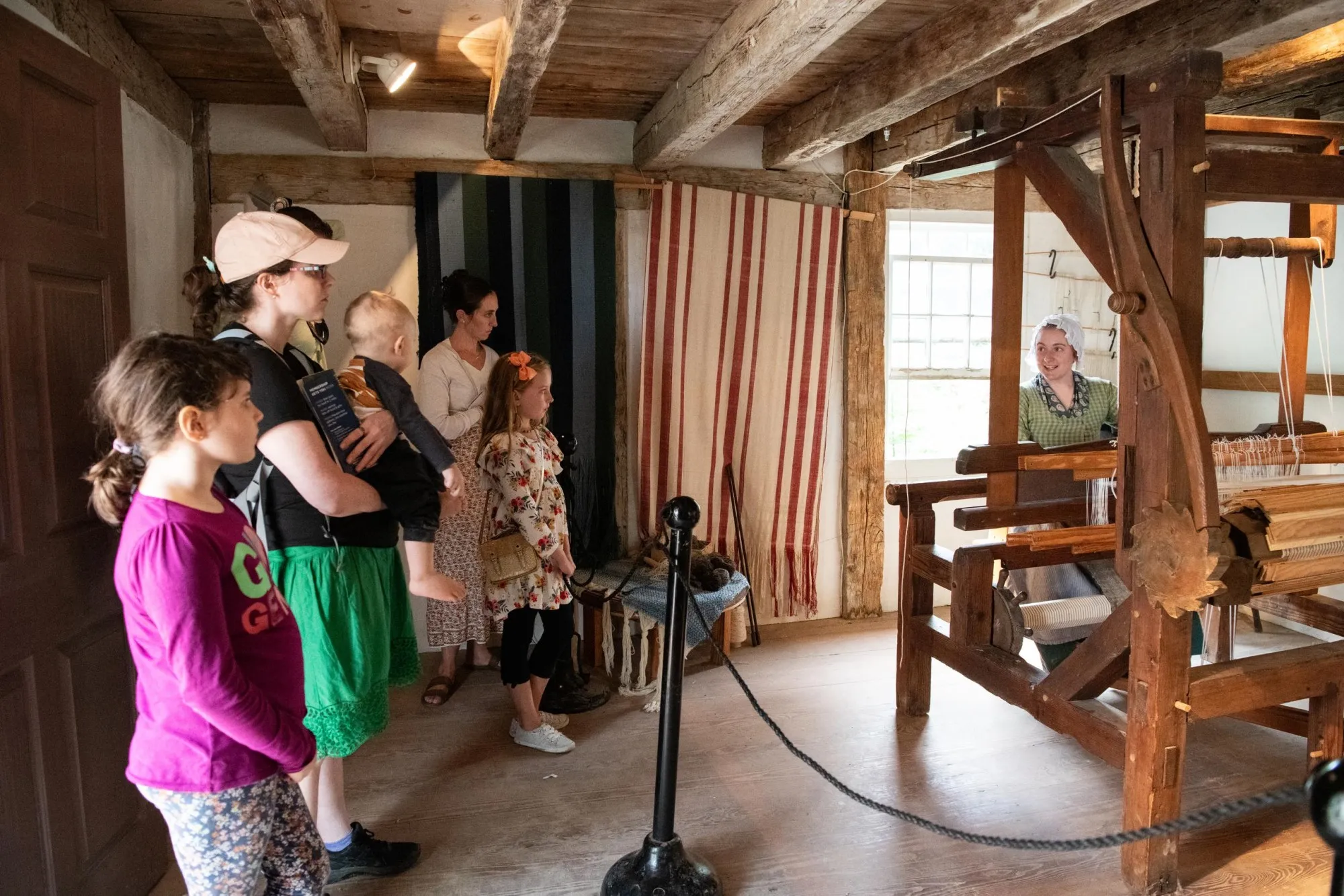
See spinning and weaving demonstrations on the Bowling Green.
*Please note the Spinning House is under restoration
Visit the blacksmith shop to learn what the daily tasks of a blacksmith were like during colonial America.
Discover Historic Foodways
9 a.m. - 1 p.m.
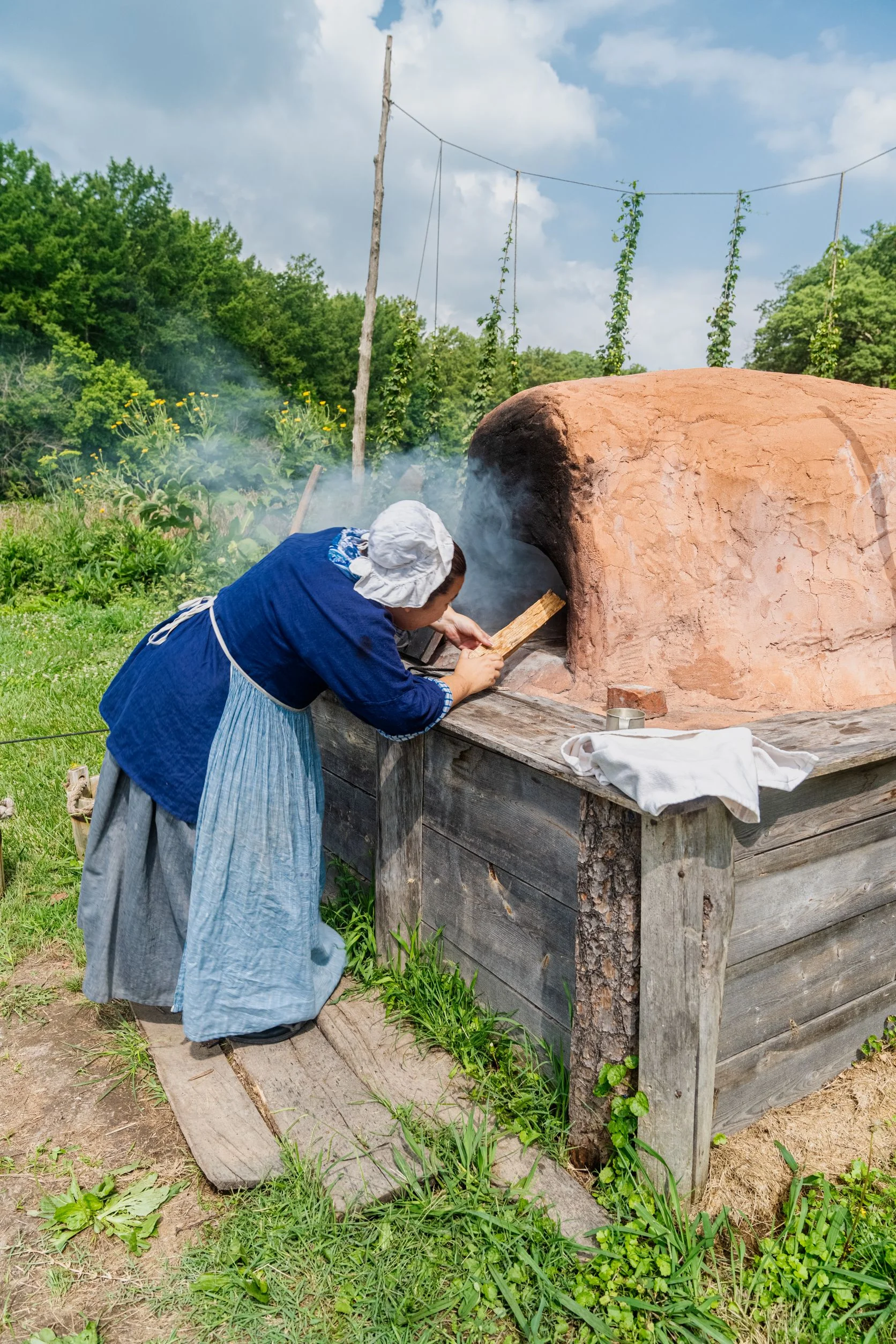
On the bowling green, find out how 18th-century ice cream was made and what unique flavors people often ate.
Talk with historic trades interpreters to explore how beverages were made and discuss the important role coffee houses and taverns played in Revolutionary espionage.
2 p.m.- 4:30 p.m.
Explore the ingredients used in 18th-century drinks, where they came from, and how both the Washington family and the enslaved community encountered, prepared, and consumed them on the bowling green.
Plus, learn how coffee houses and taverns acted as places to gather espionage.
Meet Mount Vernon's Livestock
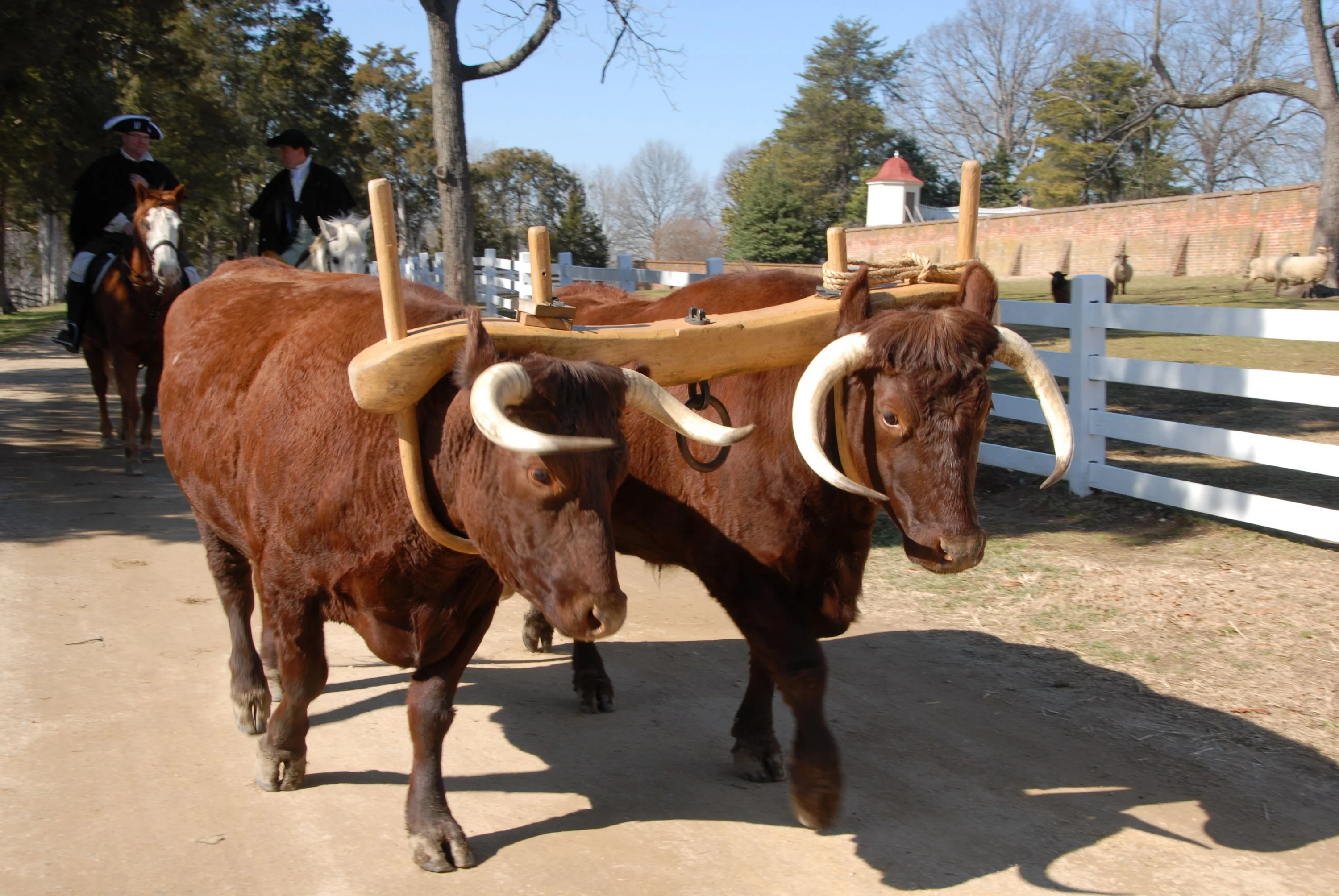
At each animal's paddock, see Mount Vernon's livestock and explore what roles they played in agriculture on the Farm.
- Horses - 10 a.m. - 11 a.m.
- Oxen - 10:30 a.m. - 11:30 a.m.
- Sheep - 11 a.m. - 12 p.m. & 1:30 p.m. - 2:30 p.m.
- Hogs & Turkeys - 1 p.m. - 1:30 p.m.
Explore our Revolutionary War Encampment
All Day
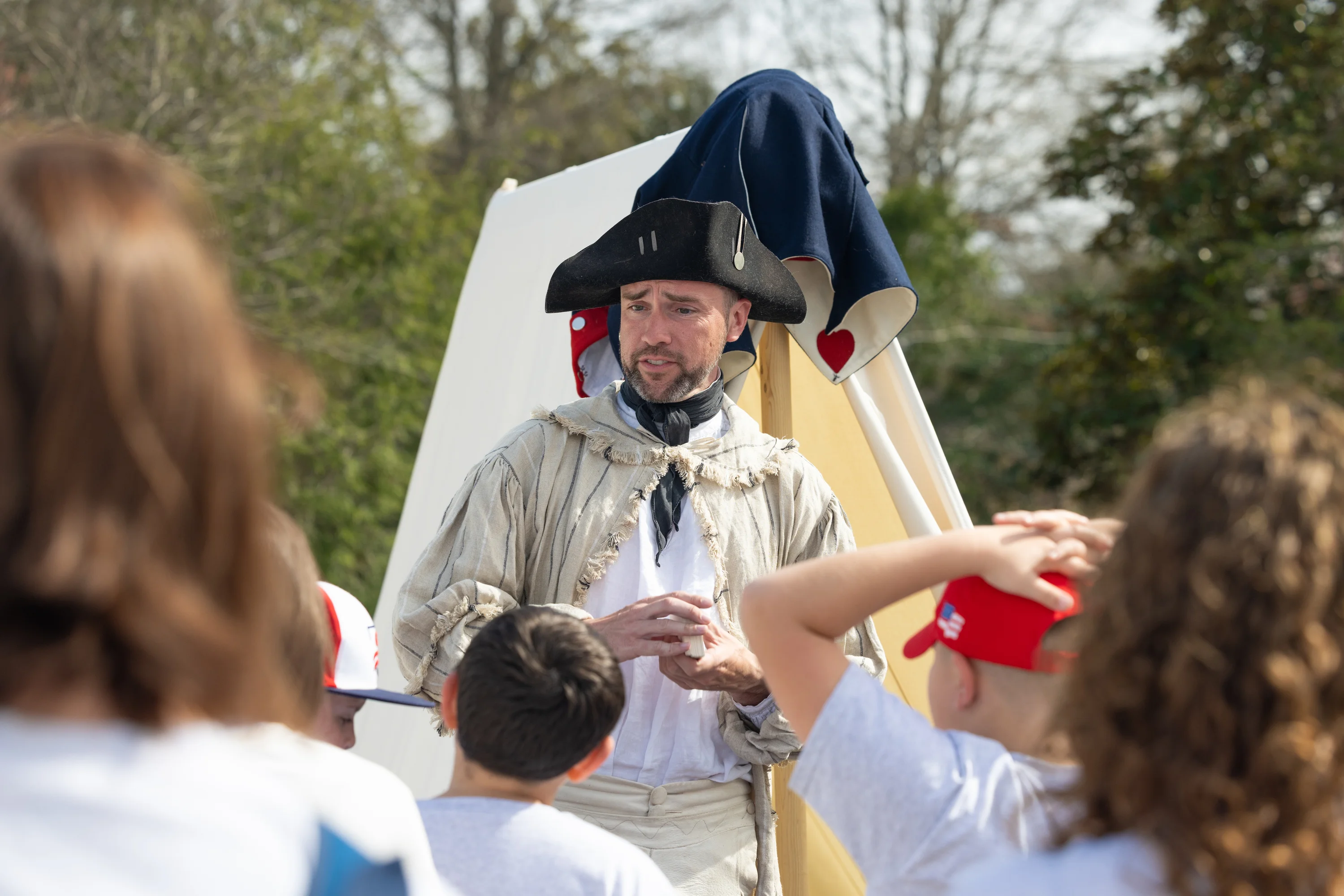
Experience the American Revolution as you walk through an 18th-century Continental Army encampment featuring soldiers' tents and an officer’s tent.
At this hands-on attraction located on the 12-acre field, you can touch the items inside the tents, wash clothes in the laundry yard, and examine cooking utensils used by women and children who traveled with the army.
Enjoy a Meal at Washington's Home
All Day
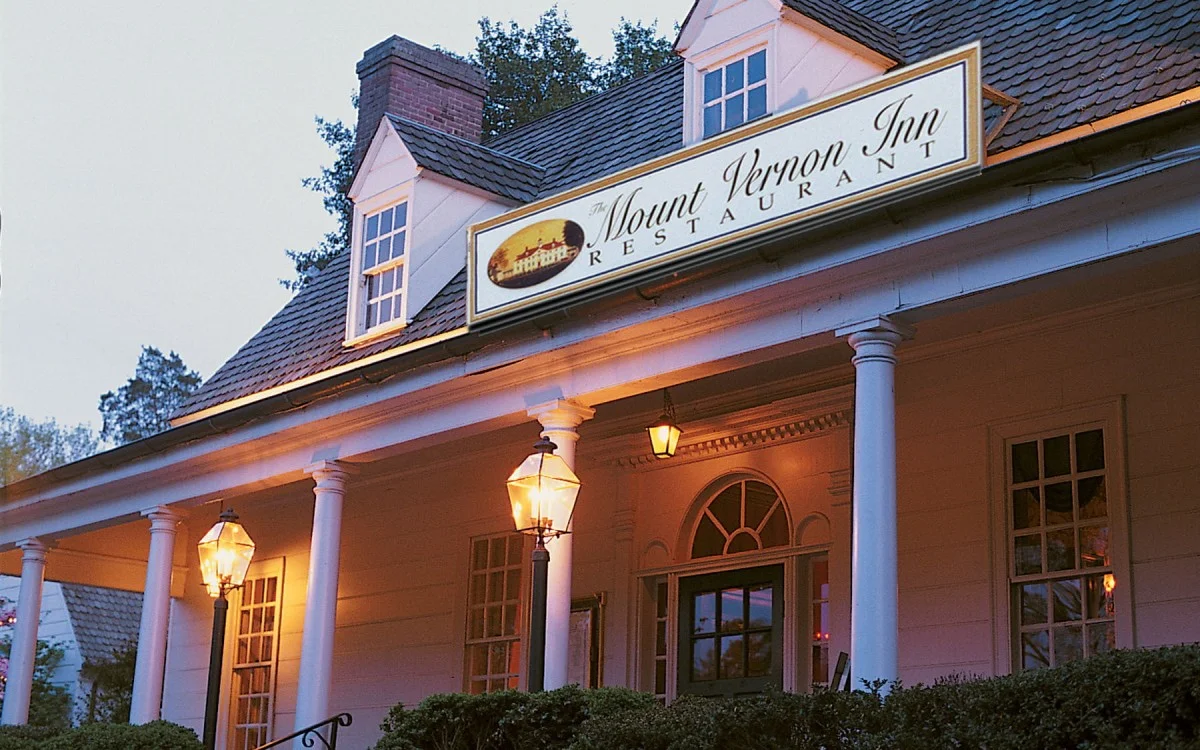
Food and beverages are available for purchase at the Mount Vernon Inn Restaurant, The General's Canteen, and the Executive Orders food truck inside the estate.
Please note: Outside food and drink other than bottled water are prohibited on the estate. If you would like to bring bagged lunches, tables are available on a first-come, first-served basis in front of the Shops at Mount Vernon.
Prepare for Your Visit With Our Learning Materials
To plan for your visit to Mount Vernon, review our guides:
Explore the themes relating to different aspects of George Washington's life and the enslaved people who worked and lived on his five farms.
- George Washington the Farmer
- George Washington and the Revolutionary War
- Lives Bound Together
- Enslaved People at Mount Vernon
- 18th-Century Farming
- Teaching with Place Lesson Plan
- How to Make Invisible Ink
- Spymaster Activities
Extend the learning at home by visiting the Online Activities for Kids webpage.