
Enhance Your Homeschool Curriculum with Hands-On History
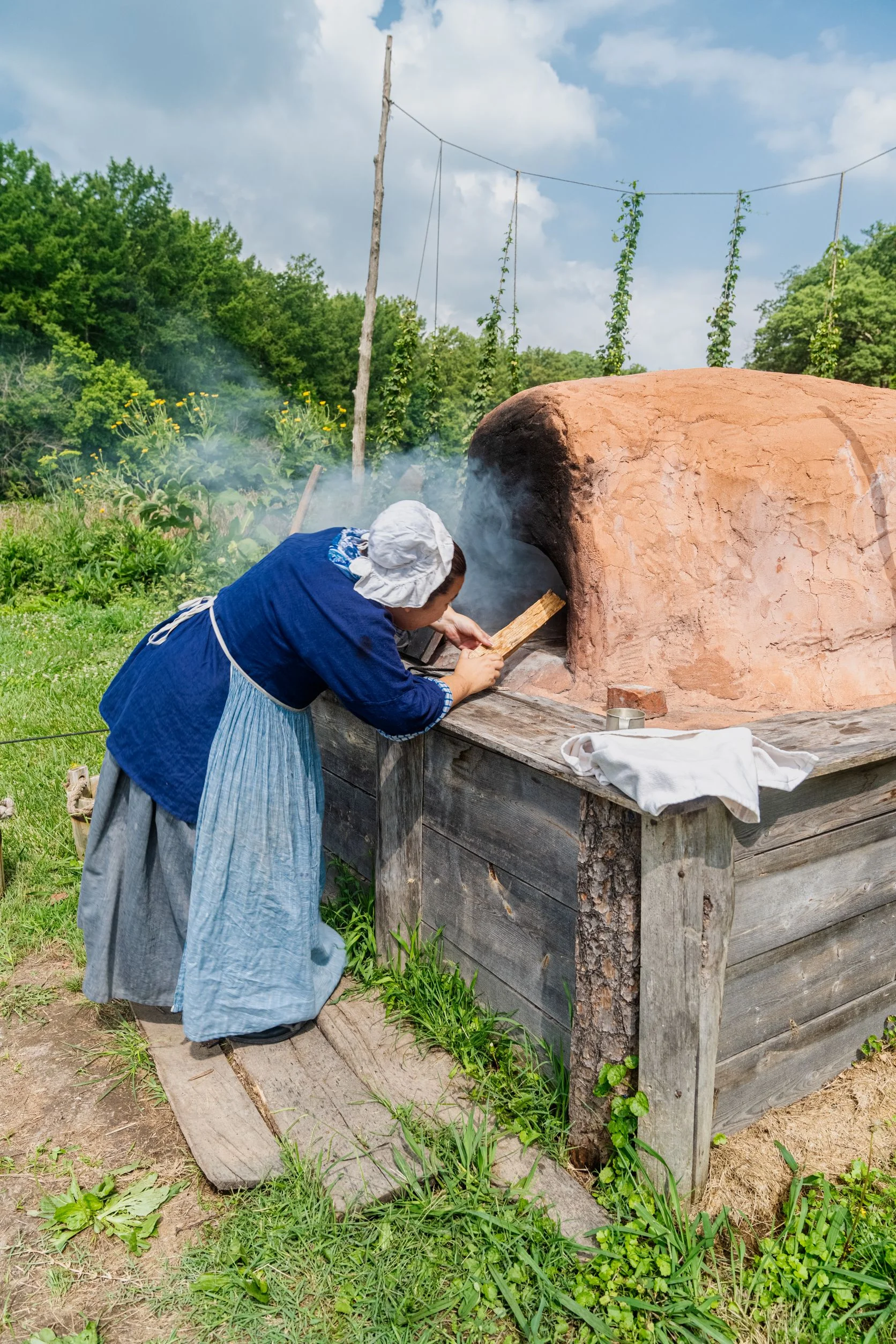
Homeschool families are welcome to join us for a special, small group STEAM-focused program exploring the history and science behind 18th-century baking ovens, including how they were designed, built, and used.
Learn about George Washington's life as a farmer and examine the scientific practices implemented at Mount Vernon.
Take Home Your Own Cookie Dough
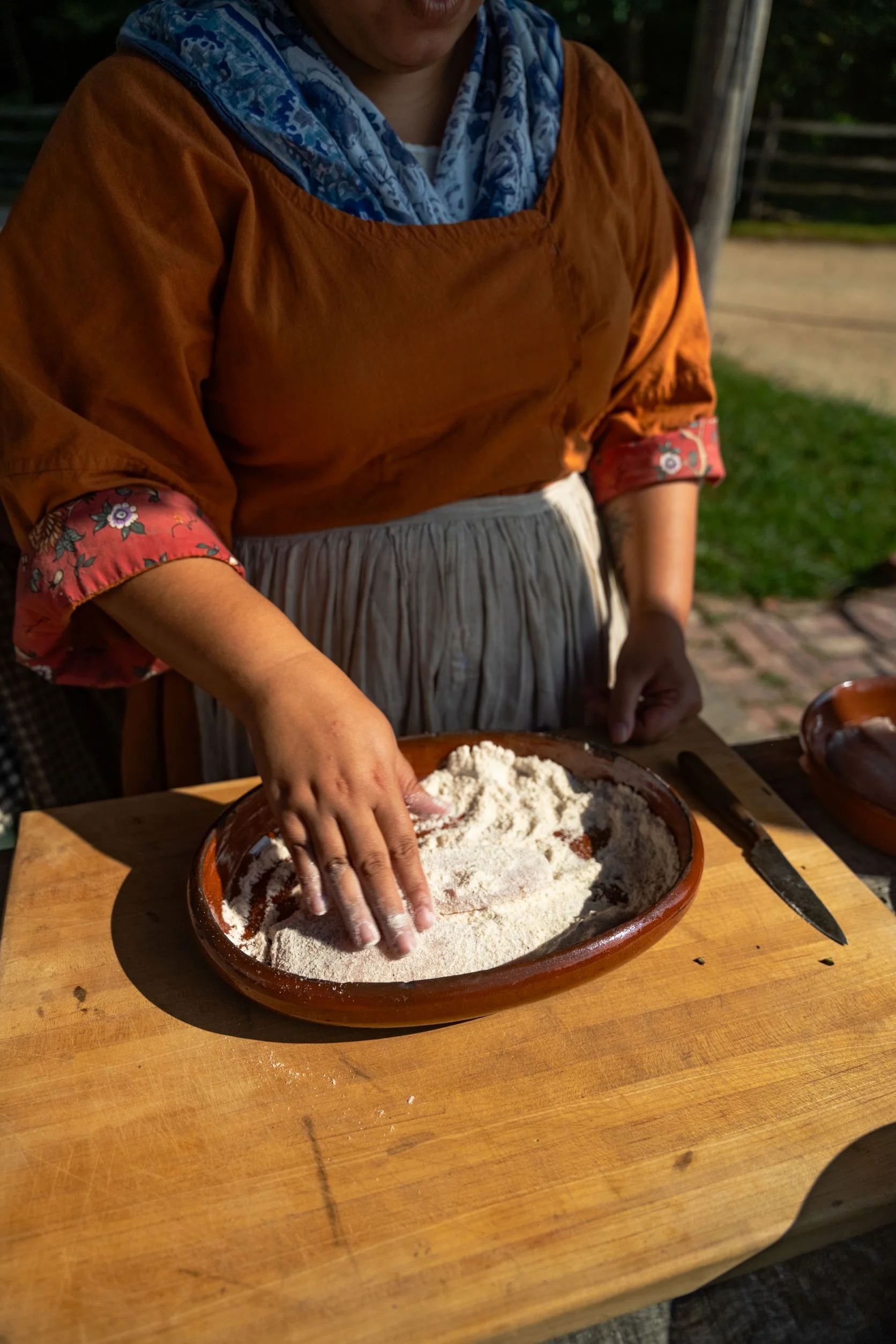
Participants will prepare and take-home cookie dough made by using an 18th-century recipe, connecting historical methods with modern hands-on learning.
Program Schedule
- 10:30 a.m. - Welcome at the Ford Orientation Center
- 10:45 a.m. - Visit the Farm
- 10:50 a.m. - 11:50 a.m. - Learn about 18th-century ovens and farming
- 12 p.m. - 12:45 p.m. -Make cookie dough and bake it
- 12:45 p.m. - 1 p.m. - Ask questions during a Q&A session
Know Before You Go
Admission to Mount Vernon Included
Tickets will include a grounds pass. Mansion tours will be available at an additional cost.
Registration Details
The maximum capacity for this class is 15 people. If tickets are sold out, don’t worry! We will have more learning opportunities for homeschool families soon.
This program has an age requirement of 7 years old. Activities may be dangerous for children 6 and under.
All minors, under the age of 18, must be accompanied by at least one adult.
In Case of Inclement Weather
If there is inclement weather on March 24, the program will be moved to March 31. Weather postponement notifications will go out at least 24 hours prior to this event.
Allergy Information
Allergen ingredients in the recipe includes flour, egg, dairy, and rosewater.
Please note that at this time, the recipe cannot be adapted to exclude any of the allergens listed.
Explore How STEAM is Implemented for This Program
| STEAM Area | What It Means | How It Appears in the Activity |
|---|---|---|
| Science | Studying changes in matter and energy | Observing how heat changes dough and how ingredients react when mixed |
| Technology | Tools and methods used to solve problems | Using 18th-century baking tools and comparing them to modern tools |
| Engineering | Designing structures that work efficiently | Examining how brick and stone ovens were built to hold and distribute heat |
| Art | Creativity, culture, and expression | Interpreting an 18th-century recipe and learning how food reflects daily life |
| Mathematics | Numbers, measurement, and problem-solving | Measuring ingredients, using ratios, and converting historical measurements |