
Becoming American: The Nation’s Decorative Arts at 250
In the wake of America’s declaration of independence from Great Britain in 1776, a new era began in decorative arts. Styles shifted and Americans began to create their own unique aesthetics.
Hear from leading voices in the field of American decorative arts as they explore how furniture, craft, textiles, and scientific instruments reflected and helped shape national identity in the new nation.
Enjoy Exclusive Experiences Included with In-Person Admission
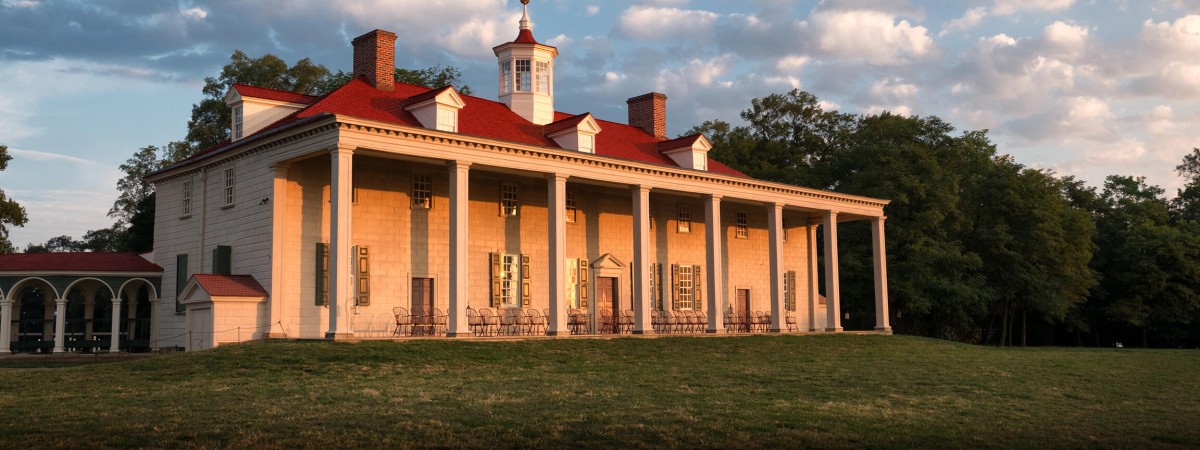
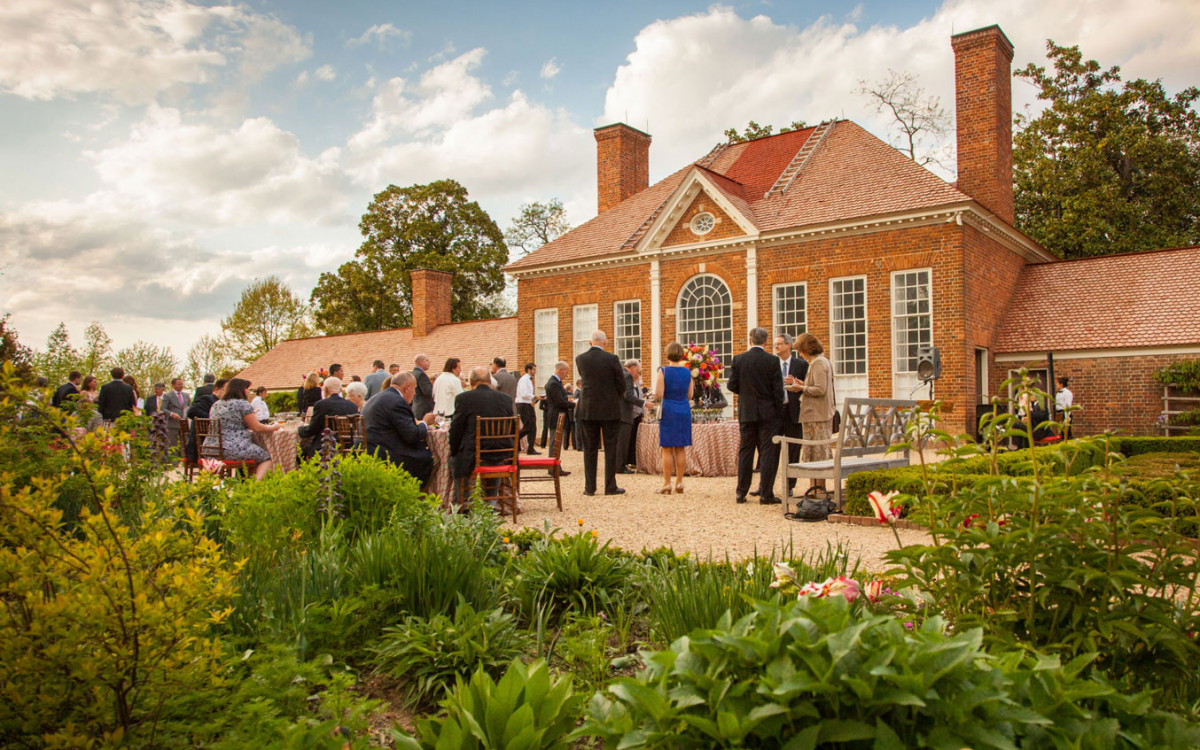
Attend an after-hours dinner on the east lawn, a private tour of the Mansion, and a reception in the newly renovated Donald W. Reynolds Museum and Education Center.

Discover the Nation’s Decorative Arts During its 250th Anniversary
Join leading voices in the field of American decorative arts as they explore how furniture, craft, textiles, and scientific instruments reflected and helped shape national identity in the new nation.
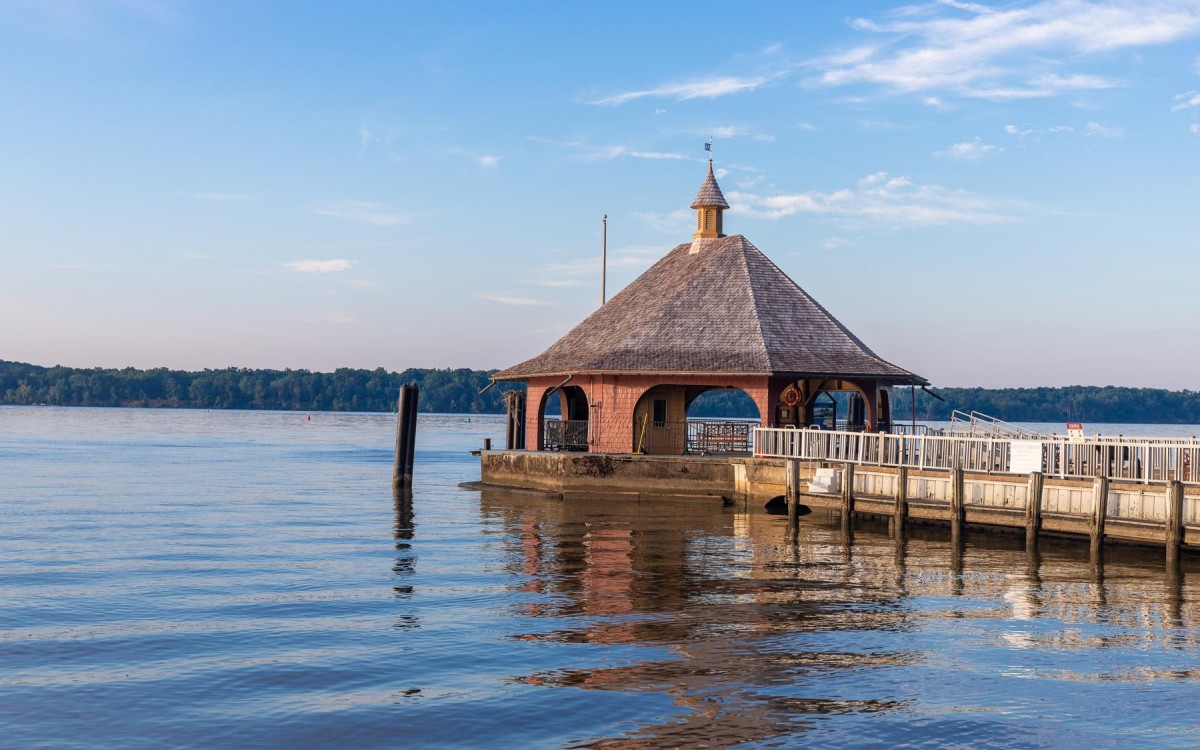
Attend an after-hours dinner at the wharf, private Mansion tours, and a reception in the newly renovated education center.
In this expansive symposium, curator Don Fennimore (Winterthur Museum) introduces you to American astronomer and clockmaker David Rittenhouse.
Lauren Hewes (American Antiquarian Society) showcases the expansive talents of metalworker Paul Revere.
Leading expert John Stuart Gordon (American Decorative Arts at the Yale University Art Gallery) explores how gold objects projected patriotism, power, and national identity in early America.
Historian Torren L. Gatson (Middle Tennessee State University) examines how Black craftspeople used skilled labor as both a means of survival and a tool for autonomy, revealing the complex motivations embedded in American material culture.
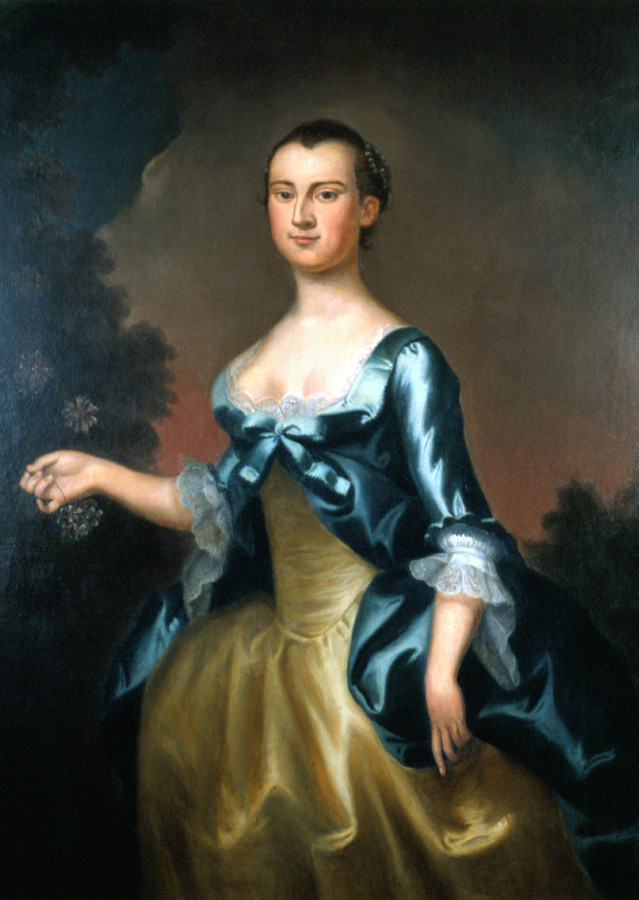
Curator Amanda Isaac (George Washington’s Mount Vernon) reveals how Martha Washington and the makers of her clothes shaped her style to express leadership and authority.
Chloe Chapin (Harvard University) examines George Washington’s sartorial tastes as America’s first style icon.
Daniel Kurt Ackermann (Museum of Fine Arts Houston) investigates the material culture of early Jewish communities in the new republic.
Program Schedule
In-person tickets include all lectures, meals, and receptions.
All lectures will take place in the David M. Rubenstein Leadership Hall within the George Washington Presidential Library.
Friday, May 29, 2026
| 9 a.m. | Opening Breakfast Location: Bookout Reception Hall |
| 9:30 a.m. | Welcome & Introductions |
| 10 a.m. | How to Succeed in Colonial Philadelphia: An Immigrant Craftsman’s Evolution to Prosperous Merchant Jay Robert Stiefel English joiner John Head (1688—1754) immigrated to Philadelphia in 1717 and became one of its most successful artisans and merchants. However, his prominence had been long forgotten until Jay Stiefel’s serendipitous discovery of the significance of Head’s account book. The earliest and most complete to have survived from any cabinetmaker working in British North America or in Great Britain, the account book’s thousands of transactions over a thirty-five-year period records the goods and services by which Head, and the hundreds of tradesmen with whom he did business, sought to barter their way to prosperity. Its microcosmic detail enables attribution of Head’s furniture and fills the documentary void in the lives of Colonial America’s middling classes, giving voice to the historically inarticulate, those often overlooked in more traditional studies. The culmination of nearly twenty years of research, Stiefel’s book, The Cabinetmaker’s Account: John Head’s Record of Craft & Commerce in Colonial Philadelphia, 1718—1753 serves as an essential reference work on 18th-century Philadelphia, its furniture and material culture, as well as an intimate and detailed social history of the interactions among that era’s most talented artisans and successful merchants. |
| 11 a.m. | Break |
| 11:15 a.m. | Beyond Midnight: Paul Revere Lauren B. Hewes Most Americans know Paul Revere for one dramatic night: his ride from Boston to Concord warning local militias about the movement of British troops. But Revere’s life was much richer and more creative than that single event. He was a highly skilled and respected metalworker—crafting elegant silver tableware, producing detailed copperplate engravings, and casting massive church bells. The presentation will include an overview of the full range of Revere’s creative work and the complex business network that he built over decades. It will also take a closer look at one of Revere’s most famous engravings, The Bloody Massacre Perpetrated in King-Street, printed in March 1770. This powerful image, originally used to shape public opinion during the American Revolution, was later adapted in the nineteenth century and again in 2020 by artists involved in social movements—from abolition to Black Lives Matter—demonstrating its lasting impact on American visual culture. |
| 12:15 p.m. | Lunch Location: Founders' Terrace |
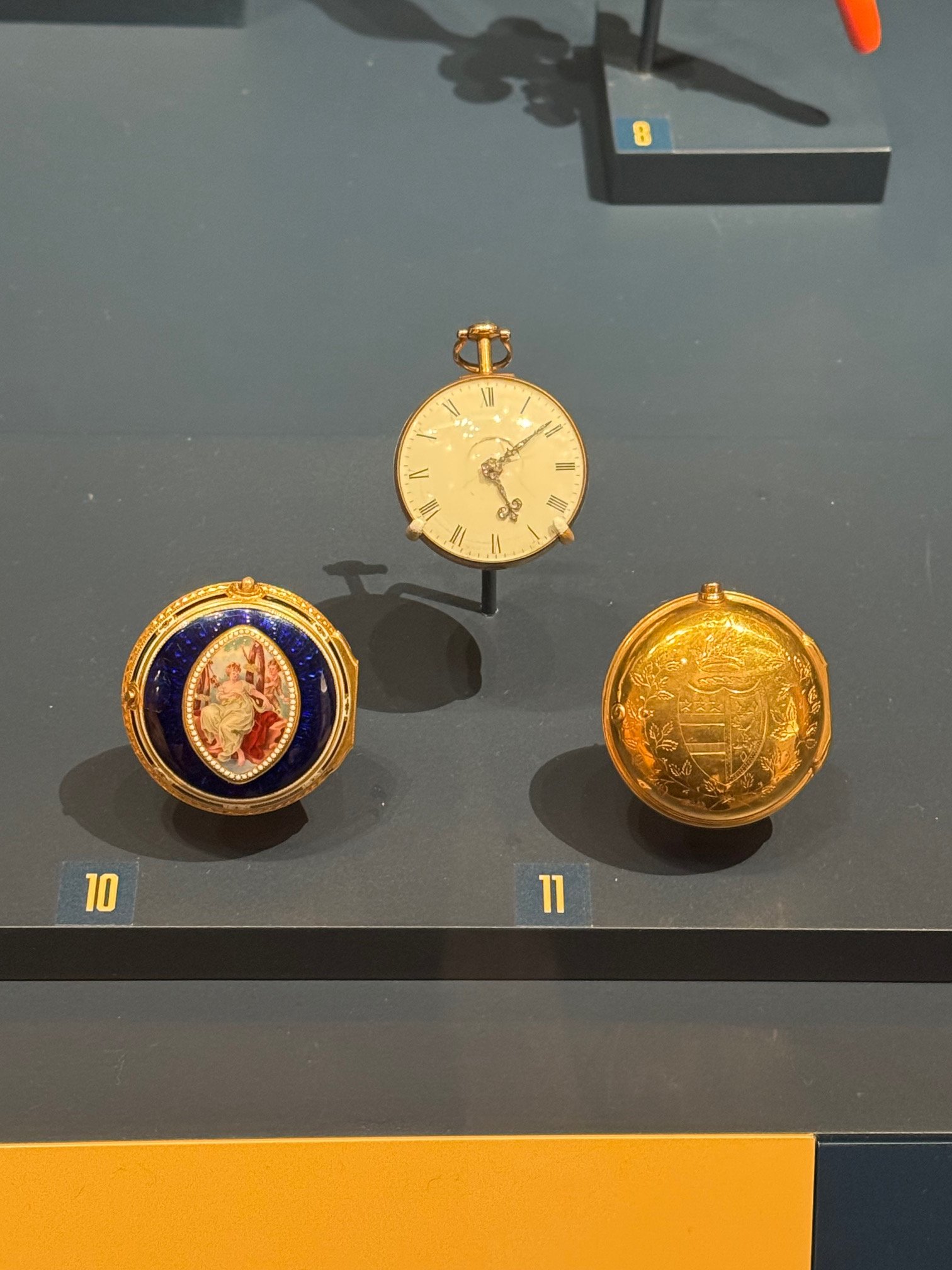
| 1:15 p.m. | Wrought in Valor: Gold in the Early United States John Stuart Gordon As the United States emerged from the Revolutionary War, politicians and craftsmen collaborated on the creation of gold objects that reflected the ideals of the new nation. Official presentation gifts celebrated military victories and created a pantheon of American heroes, while personal items of adornment expressed one’s individual patriotism. Established and new organizations, such as the Freemasons and the Society of the Cincinnati, also commissioned pieces of gold that affirmed their place within the country’s evolving history. The production of these objects accelerated after the War of 1812 as the stewardship of the nation passed to a new generation of leaders. Crafted by many of the nation’s prominent goldsmiths, including Paul Revere and Samuel Johnson, these works rank among the finest examples of American metalwork, yet they also reveal a rich story about how the country used art to project its aspirations, early successes, and values. |
| 2:15 p.m. | Locating Girlhood: Identity and Place in Early American “Schoolgirl” Art Emelie Gevalt How do we read “schoolgirl art”? Though broadly recognized for its aesthetic appeal, this rich archive of embroidery, watercolors, drawings, and ornamented furniture produced by early American female students has only rarely been considered seriously as a source of cultural meaning. An upcoming exhibition at New York’s American Folk Art Museum, Locating Girlhood: Place and Identity in Early American “Schoolgirl” Art, proposes a new investigation of these iconic “folk art” forms as a deep well of signification, both regional and national, personal and communal. Conceived to coincide with America 250, this project will highlight girls’ and young women’s contributions to the shaping of an American sense of self through representations of place—from the eighteenth-century pastoral needlework scenes that served to naturalize British presence in the colonial environment, to the nineteenth-century mourning pictures and map samplers that helped form visions of the developing Republic, including depictions of Mount Vernon and Washington, DC. Join Dr. Emelie Gevalt, Deborah Davenport and Stewart Stender Deputy Director & Chief Curatorial and Program Officer at AFAM, for a discussion of research in progress in preparation for this major loan exhibition, opening in Manhattan this coming October. |
| 3:15 p.m. | Break |
| 3:45 p.m. | Cultivating Intellect: Black Craftspeople and their Unrelenting Pursuit for Independence Torren L. Gatson In 2025, the exhibition Fighting for Freedom: Black Craftspeople and the Pursuit of Independence opened at the Daughters of the American Revolution Museum. Conceived as an extension of the Black Craftspeople Digital Archive, the exhibition undertook the ambitious task of foregrounding the complex, often contradictory lives of Black artisans whose labor shaped American material culture. Through furniture, metalwork, textiles, and tools, the exhibition reveals how craft functioned simultaneously as economic survival, creative expression, and a fraught pathway toward autonomy. These objects illuminate lives within systems of bondage and discrimination while also testifying to joy, skill, resistance, and aspiration. Organized through a thematic narrative framework, the exhibition situates individual makers within broader regional and national contexts, emphasizing both shared experiences and distinctive strategies of self-determination. This presentation examines the exhibition’s attempt to present an interpretive approach that interrogates the motivations of Black craftspeople. |
| 4:45 p.m. | David Rittenhouse: Philosopher-Mechanick of Colonial Philadelphia and His Famous Clocks Donald L. Fennimore In this talk, Donald will detail the life and work of David Rittenhouse, a man many consider to be early America’s most famous clockmaker. He was born to humble circumstances near Philadelphia, but through natural genius and strong personality, he rose to local, regional, national and eventually international fame. He is best known today for the extraordinary clocks he made, and deservedly so. However, he was greatly celebrated during his lifetime for his astronomical research and discovery. I will discuss both aspects of his life’s work—astronomy and clockmaking—with a view to explaining his multiple contributions to American life and to celebrate his impressive legacy. |
| 5:45 p.m. | Reception Location: Donald W. Reynolds Museum & Education Center Lobby |
| 7 p.m. | Dinner Location: Ford Orientation Center with a special performance from David & Ginger Hildebrand |
Saturday, May 30, 2026
| 9 a.m. | Breakfast Location: Bookout Reception Hall |
| 9:30 a.m. | Emerging Scholars Panel A Room with a View: Visualizing the 19th-Century Danish Caribbean Interior Bethany McGlyn Among the furnishings of Richard Jenrette's Edgewater is a small but vibrant watercolor painted in the Danish colony of St. Croix, now the largest of the United States Virgin Islands. The work of an unidentified artist, this rare visual record of island elegance depicts a richly decorated interior of a house in Christiansted. Situating the watercolor within Jenrette's larger collection of American and Caribbean decorative arts, this presentation traces its journey from the Danish West Indies to New York's Hudson Valley. From Wilkes Street to Mount Vernon: Alexandria’s Contribution to the Ceramic Traditions of Early America Noah Machi The now quaint town of Alexandria, Virginia once held a formative role in our budding nation, serving not only as a substantial tobacco port, but also fostering an innovative pottery industry. This project traces the lives and careers of three prominent Alexandria potters from 1792 to 1841, highlighting their products and styles alongside examples excavated recently from enslaved quarters on George Washington’s outlying Union Farm. Utilizing artifacts from the Union Farm ceramic assemblage, this presentation aims to actualize the growth and decline of Alexandria’s pottery market as well as show how European backgrounds influenced early-American ceramic traditions. A deeper look into the businesses of Alexandria’s first potters and the economic climates they operated in has shed more light on the free and enslaved populations that built our nation. |
| 10:45 a.m. | Break |
| 11 a.m. | "To bigotry no sanction": Architecture, Decorative Arts, and the Early American Jewish Experience Daniel Kurt Ackermann In 1790, George Washington famously wrote to the Jewish community of Newport, Rhode Island, embracing them as full citizens in the new Republic. By the time of his letter there were significant Jewish communities from Newport to Savannah and throughout the Caribbean. Connected by ties of kinship, faith, and commerce, this lecture will examine the material legacies—both sacred and secular—of these early American Jewish communities. |
| 12 p.m. | Lunch Location: Founders' Terrace |
| 1 p.m. | George Washington's Cincinnati Porcelain Ron Fuchs In 1786, George Washington spent $150.00—a small fortune—on a Chinese export porcelain service decorated with the insignia of the Society of the Cincinnati. How did this service represent the United States’ entrance into global trade, and how did Washington use it to craft his public persona as a leader in a new, democratic society? |
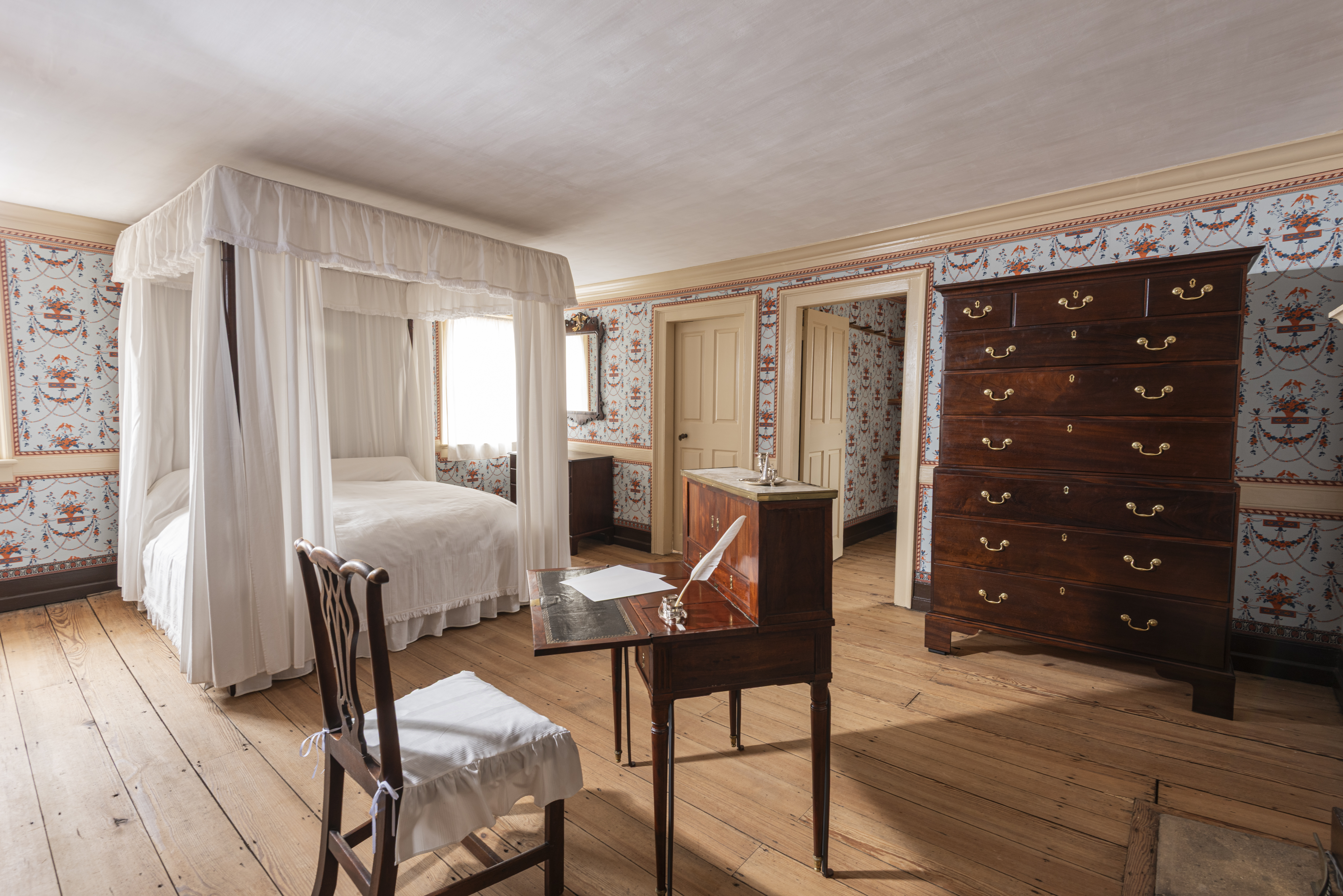
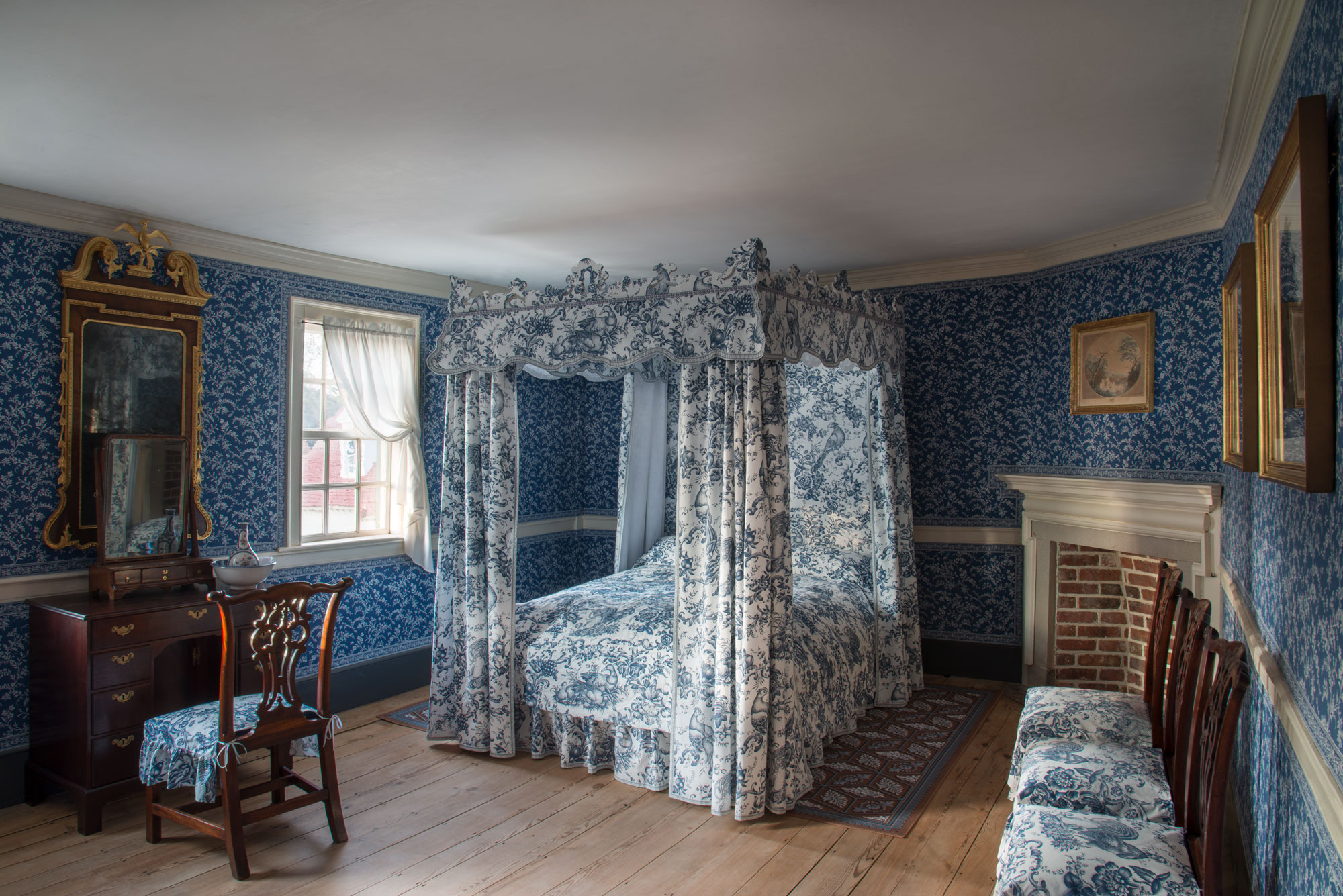
| 2 p.m. | Elegant Simplicity: New Discoveries about Martha Washington’s Leadership and Style Amanda Isaac “[Mrs. Washington’s] wishes coincide with my own as to simplicity of dress, and every thing which can tend to support propriety of character without partaking of the follies of luxury and ostentation.” George Washington to Catherine Sawbridge Macaulay Graham, January 9, 1790 George Washington’s gracious pronouncement on matters of style glossed over the work involved in establishing a distinctive sartorial standard for the new republic. Fortunately, the significant number of surviving gowns, garments, jewelry, and accessories belonging to Martha Washington allow us to see first-hand the shifts in her style through which she redefined herself and adopted more sophisticated displays of power. In addition, recent in-depth research, conservation, and reproduction of Martha Washington’s clothing has revealed surprising new insights about the makers who shaped her appearances over the course of her life, and ultimately, her signature look as the first First Lady. |
| 3 p.m. | Break |
| 3:30 p.m. | Hear Me Now: The Black Potters of Old Edgefield, South Carolina Adrienne Spinozzi Over the past decade, new scholarship, discoveries, and interpretive lenses have brought renewed interest in and attention to 19th-century stoneware made in the Edgefield District of South Carolina. Made primarily by and with enslaved labor, by both known and yet-to-be-identified makers, prodigious quantities of Edgefield stoneware were produced and consumed throughout the region. This lecture will provide an overview of this body of work—from the large storage jars signed and dated by enslaved potter and poet David Drake to the ubiquitous functional wares of everyday life and enigmatic face vessels—products of industrial slavery. This recontextualization was central to the recent exhibition Hear Me Now: The Black Potters of Old Edgefield, South Carolina (2022-24), a multi-year collaboration that was shaped by input and expertise from external advisors, partners, artists, and activists. |
| 4:30 p.m. | The Sartorial Revolution: George Washington and the Fashioning of Modern Men Chloe Chapin In order to become American, men across the newly United States first had to decide what to wear. They needed a style that would distinguish themselves from their British counterparts—without appearing inferior. Before and after becoming president, George Washington was America’s first style icon. His fashion choices, from colors and fabric to accessories, had lasting influence on expressions of national identity. In addition to their involvement in the American and Industrial Revolutions, the Founding Fathers also kickstarted the Sartorial Revolution. They adopted plain, uniform suits as a symbol of equality and democracy, creating the illusion of a separation between fashion and politics. The Sartorial Revolution shows that, at the dawning of our nation, politics was quite fashionable, just as fashion has always been political. |
| 5:45 p.m. | Reception and Mansion Tours Location: East Lawn |
| 6:45 p.m. | Dinner Location: East Lawn Tent |
This schedule is subject to change.
Meet the Speakers

Daniel Kurt Ackermann
Daniel Kurt Ackermann is Director of Bayou Bend Collection and Gardens at the Museum of Fine Arts Houston.
Previously he was Chief Curator and Director of Research at the Museum of Early Southern Decorative Arts (MESDA) at Old Salem Museums & Gardens in Winston-Salem, North Carolina and director of The MESDA Summer Institute.
Daniel began his career at the Metropolitan Museum of Art in New York. He holds degrees from the College of William and Mary, the University of Virginia, and a PhD in art history from the University of North Carolina at Chapel Hill.

Chloe Chapin
In her forthcoming book, Suitable: The Sartorial Revolution and the Fashioning of Modern Men (Oxford University Press, June 1, 2026), costume designer and historian Chloe Chapin investigates the materiality, manufacture, and meaning behind men’s suits between the American Revolution and the Civil War.
Chapin received her PhD from Harvard, and master's degrees from Harvard, FIT, and the Yale School of Drama. She has taught at FIT, Parsons, Reed College, and Harvard University, and been a research fellow through the Fulbright Program, Smithsonian, Monticello, and Mount Vernon.
Broadway credits include associate/ assistant designer for: American Idiot, HAIR!, Equus, Bring It On, Passing Strange, and The Columnist. By day she works in the teaching center at Harvard University; by night she wrestles with philosophical questions about outfits.

Donald L. Fennimore
Donald F. Fennimore is curator emeritus at the Winterthur Museum. He graduated with a BA in Economics from Randolph Macon College in 1964. Following a four-year stint in the United States Air Force, he entered the Winterthur Program in Early American Culture and graduated with an MA in 1971.
Following graduation, he joined the curatorial staff, specializing in metals. He retired in 2005.
He is the author of several books and many articles, including Metalwork in Early America (1996); Iron at Winterthur (2004), Stretch: America’s First Family of Clockmakers (2013); Claggett Newport’s Illustrious Clockmakers (2018); and David Rittenhouse Philosopher-Mechanick of Colonial Philadelphia and His Famous Clocks (2023).

Ron Fuchs
Ron Fuchs is the editor of the journal Ceramics in America. A graduate of William and Mary and the Winterthur Program in American Material Culture, he has worked at Winterthur and the Reeves Museum of Ceramics at Washington and Lee University.
Ron specializes in Asian export ceramics and has written and lectured widely on the subject. Among his publications are Made in China: Export Porcelain from the Leo and Doris Hodroff Collection at Winterthur and several articles on Chinese export porcelain published in Ceramics in America. He is a past president and chair of the American Ceramic Circle and serves on the Asian export vetting committees of the Winter Antique Show in New York and The European Fine Arts Fair in Maastricht, the Netherlands.
In 2000, Ron had a fellowship here at Mount Vernon studying George Washington’s Cincinnati porcelain, which forms the basis for his talk.

Torren L. Gatson
Dr. Torren L. Gatson is an Associate Professor of History and Associate Director of the Center for Historic Preservation at Middle Tennessee State University, specializing in African American built environments and material culture in the 19th and 20th centuries.
He is the author of Fighting for Freedom: Black Craftspeople and the Pursuit of Independence (UNC Press, 2025) and has published widely in leading journals while contributing to major scholarly volumes and public exhibitions.
A committed public historian, he co-directs the Black Craftspeople Digital Archive, collaborates closely with communities, and serves in leadership roles across prominent museums, archives, and editorial boards.

Emelie Gevalt
Dr. Emelie Gevalt is Deborah Davenport and Stewart Stender Deputy Director & Chief Curatorial & Program Officer at the American Folk Art Museum in New York City.
Her exhibitions at AFAM include the critically acclaimed What that Quilt Knows About Me (2023); Unnamed Figures: Black Presence and Absence in the Early American North (2023); and most recently, An Ecology of Quilts: The Natural History of American Textiles.
Gevalt received her BA in art history and theater studies from Yale University, her MA from the Winterthur Program in American Material Culture, and her PhD in art history from the University of Delaware.
Her two decades of art-world experience include positions at the Museum of Fine Arts, Boston and Christie’s, New York, where she was a Vice President in the Estates, Appraisals & Valuations department.

John Stuart Gordon
John Stuart Gordon is the Benjamin Attmore Hewitt Curator of American Decorative Arts at the Yale University Art Gallery. Dr. Gordon attended Vassar College, received an M.A. from the Bard Graduate Center for Studies in the Decorative Arts, Design, and Culture and a PhD from Boston University.
His exhibitions for Yale include The Architect’s Table: Swid Powell and Postmodern Design; A Nation Reflected: Stories in American Glass, and Gold in America: Artistry, Memory, Power. He has written A Modern World: American Design from the Yale University Art Gallery, 1920–1950 and American Glass: The Collections at Yale, as well as essays and articles for numerous publications.
He is currently writing a history of gold in America. In addition to his curatorial work, Dr. Gordon teaches a survey of American silver at Yale University.

Lauren Hewes
Lauren Hewes is Vice President for Collections at the American Antiquarian Society (AAS), a national research library located in central Massachusetts.
She oversees the Society’s acquisition, cataloging, conservation, curatorial, digital, and readers' services departments and works with the leadership team to promote the Society’s mission to cultivate a deeper understanding of the American past and foster a broad community of inquiry through collections, programs, and support of scholarship.
Previously, Hewes served for sixteen years as the Society’s curator of graphic arts, building the collections of prints, broadsides, ephemera, and photographs through purchase and donation. In 2019, she co-curated Beyond Midnight: Paul Revere, a travelling exhibition focused on Revere’s life as a craftsman, artist and patriot.
Hewes has previously held positions at the Print Council of America, the National Park Service, and Shelburne Museum, and has published widely on American printmaking and portraiture.

Amanda Isaac
As Chief Curator at George Washington’s Mount Vernon, Amanda Isaac oversees a collection that ranges from George and Martha Washington’s personal possessions to the fine art and historical relics that reflect on their multifaceted legacy.
During her time at Mount Vernon, Isaac has spearheaded the research and conservation of the remarkable clothing and textile collection and led the refurnishing of several of the major rooms in the mansion.
She also curated the ground-breaking 2013 exhibit, Take Note! George Washington the Reader, which highlighted Washington’s diverse intellectual interests. She holds an MA from the University of Delaware’s Winterthur Program in Early American Culture and a BA from the College of William and Mary, Williamsburg, Virginia.

Noah Machi
Noah Machi is an archaeology lab analyst at George Washington’s Mount Vernon. He works closely with the archaeological collection, processing, cataloging, and researching artifacts as they are recovered from excavations across the estate.
Noah is a graduate of the University of Virginia with a BA in anthropology. He has previously worked at Thomas Jefferson’s Monticello as both a field technician and lab intern.
Noah’s research of Mount Vernon’s ceramic assemblage has focused on the experimental development of English soft-paste porcelain as well as Mount Vernon’s connection to Alexandria’s pottery industry.

Bethany McGlyn
Bethany McGlyn is a fifth-year PhD candidate and Jefferson Scholars Foundation Fellow in the Corcoran Department of History at the University of Virginia specializing in eighteenth and nineteenth-century craft and material culture in America and the Atlantic World.
She is a graduate of the Winterthur Program in American Material Culture, the MESDA Summer Institute, and the Jenrette Foundation's William L. Thompson Collection fellowship.
Bethany is also a curator and public historian with experience working at museums and historic sites including the Albert and Shirley Small Special Collections Library at UVA, Historic Rock Ford, Winterthur, Historic Annapolis, and the National Parks Service.

Adrienne Spinozzi
Adrienne Spinozzi is an Associate Curator in the American Wing at the Metropolitan Museum of Art where she is responsible for the American ceramic collections.
Her recent projects include Shapes from Out of Nowhere: Ceramics from the Robert A. Ellison Jr. Collection (2021), a presentation of 20th-and 21st-century abstract and nonrepresentational ceramics and Hear Me Now: The Black Potters of Old Edgefield, South Carolina (2022-24), an exhibition on the contributions of enslaved potters in 19th-century South Carolina.
Spinozzi is the guest curator for the 2026 National Council on Education for the Ceramic Arts (NCECA) annual exhibition Absence Takes Form, featuring forty international artists whose works give voice and physical space to personal and ancestral memories by turning absence into three-dimensional form.
At the Met, she is currently preparing a reinstallation of the museum’s American ceramics collection from the late 19th century through today. Spinozzi is a graduate of Hartwick College and the Bard Graduate Center.

Jay Robert Stiefel
Jay Robert Stiefel is an authority on the crafts and commerce of Colonial Philadelphia. A native of that city, he studied history at the University of Pennsylvania and Christ Church, Oxford.
Stiefel’s writings and lectures on social history, and his appearances on streaming platforms and public television broadcasts, such as C-SPAN’s American History TV, have restored to the historical record many early craftsmen, artists and merchants whose accomplishments had been obscured by the passage of time. For the publication of The Cabinetmaker’s Account, Stiefel was selected by the University of Oxford as its North American-based Alumni Author.
His other publications include: "Rococo & Classicism in Proprietary Philadelphia: The Origins of the “Penn Family Chairs”; “All in the Family: Joseph Richardson’s Earliest Silver”; “Simon Edgell (1687—1742) ‘To a Puter Dish’ and Grander Transactions of a London-trained Pewterer in Philadelphia”; “Simon Edgell, Unalloyed”; "Barnard Eaglesfield: A Prominent Philadelphia Cabinetmaker Revealed”; “‘Beyond expectation, beautiful, graceful and superb,’ Inlaid Miniature Chests of the Philadelphia Circus, ca. 1793”; “Francis Martin Drexel (1792—1863), Artist Turned Financier”; and “‘A Clock for the Rooms’: The Horological Legacy of the Library Company of Philadelphia.”

David and Ginger Hildebrand
David & Ginger Hildebrand specialize in researching, performing and educating about early American music. Having performed scores of times here at Mount Vernon over their 45- year career, they've produced 7 CD recordings, including George Washington – Music for the First President.
They have participated every year in the Teacher Institutes here since 1999, and David was twice a Research Fellow here at the Library. Ginger’s M.M. is from the Peabody Conservatory; she teaches privately and at the Severn School. David holds an M.A. and Ph.D. and consults, writes and lectures in addition to performing.
Accommodation
The Washington Presidential Library has a partnership with the Hampton Inn & Suites Fort Belvoir Alexandria South, the closest hotel to the Mount Vernon estate.
Book a stay for nights between May 29 and May 30 to take advantage of our exclusive, special rate. Call the hotel directly at 703.619.7026, and ask for your Mount Vernon discount.
Contact Information
Parking
Guests should park in Mount Vernon visitor parking lots, and enter the Library via the pedestrian gate near the four-way traffic intersection (across from the Mount Vernon Inn Restaurant).