
Read the only two surviving love letters George Washington wrote to Martha—and the amazing story of their discovery years later, hidden in her desk.
In 1802, Martha Washington likely ordered every letter between her and George Washington to be destroyed. After a lifetime under the scrutiny of the public eye, Martha protected the intimacy of nearly 41 years of marriage by taking control of the fate of their correspondence.
Luckily for posterity, two letters managed to escape the flame.
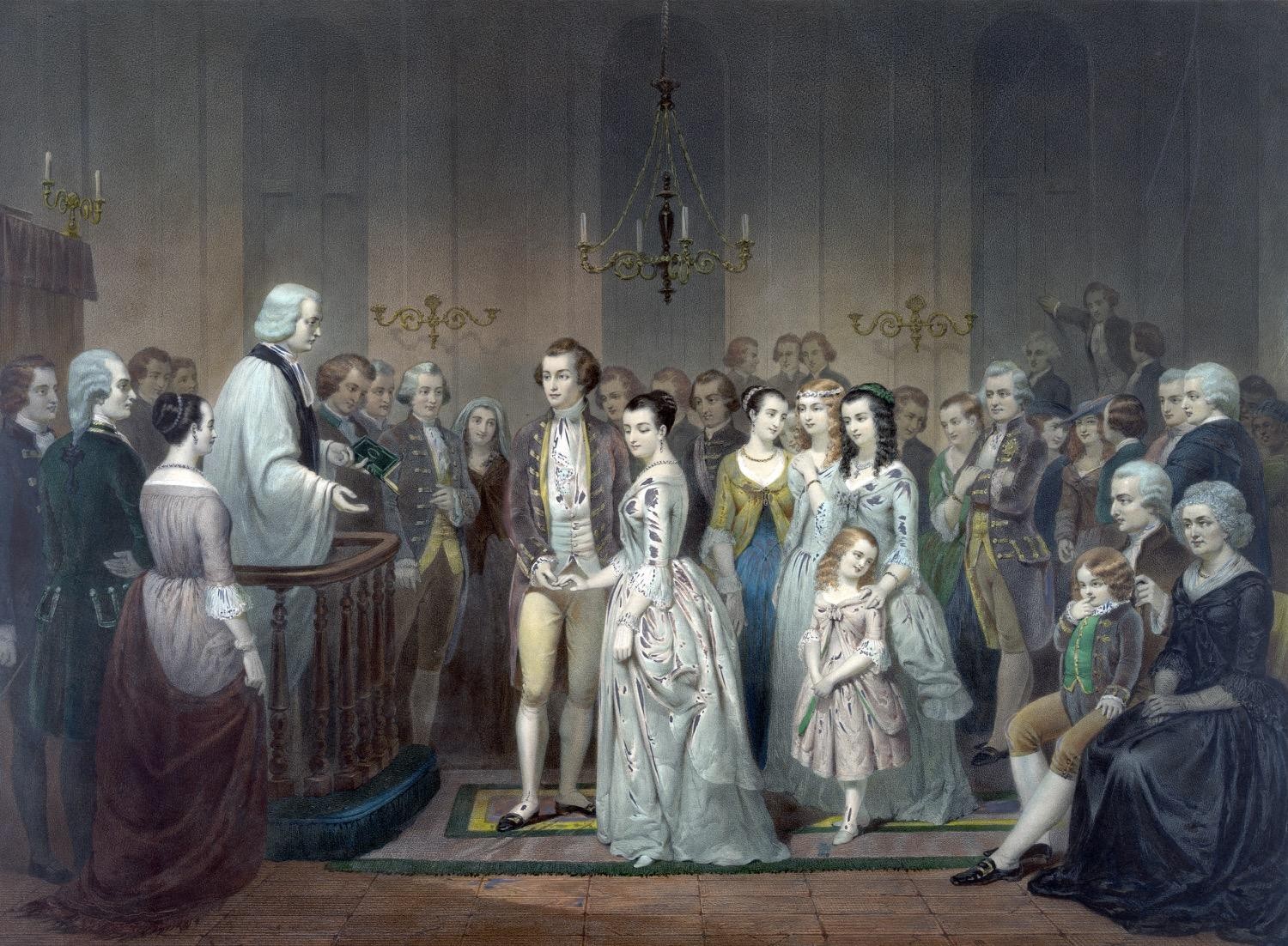
Early Life
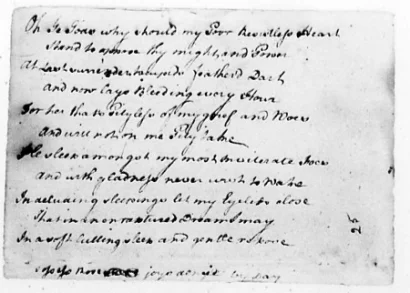
Washington the Love Poet
There are two surviving love poems that seem to have been written by a teenaged George Washington.
Letter #1
On June 16, 1775, the delegates to the Second Continental Congress, meeting in Philadelphia, named George Washington commander in chief of the Continental Army.
The solemnity of the moment weighed heavily on Washington, but through all the felicitations and fanfare, the newly tapped general could think of little else but his beloved wife, Martha. The couple had been married for 16 years, and Martha had seen George through numerous trials before this.
They’d been separated before, and for months at a time, but always with an end date in sight. This was different. In taking the position of commander, he was now under a threat of violence that could lead to a permanent separation. A violent end was possible, even likely.
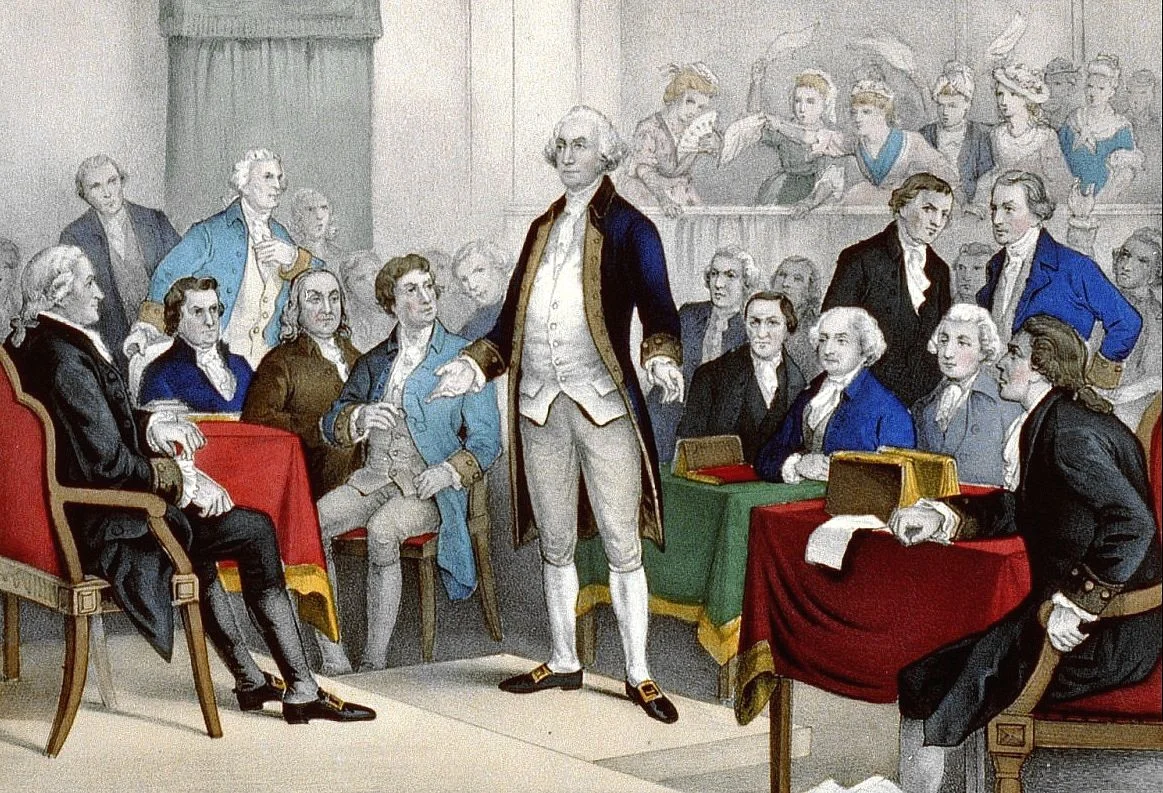
Washington accepts his appointment as commander in chief by the Continental Congress. Currier & Ives, 1876. (Library of Congress)
"You may believe me my dear Patcy…that I should enjoy more real happiness and felicity in one month with you, at home, than I have the most distant prospect of reaping abroad, if my stay was to be Seven times Seven years."
- George Washington to Martha Washington, June 18, 1775
On June 18, he wrote the first of two surviving letters to Martha, affectionately calling her his “dear Patcy.” In this letter (now held by Tudor Place in Washington, D.C.), he alerts her to the news of his appointment. This news was not entirely surprising, as he’d been preparing for weeks, if not months, for the responsibility of leading American troops into battle.
Nonetheless, he expresses great reluctance at leaving her vulnerable and without his companionship or any family at Mount Vernon, telling Martha he would rather “enjoy real happiness in one month with her at home,” than he had at the “distant prospect of finding abroad, if his stay were to be seven times seven years.” Nevertheless, Washington believes the position to be “a kind of destiny.” He tells her it is not his own safety he worries about, but hers.
I shall rely therefore, confidently, on that Providence which has heretofore preserved, & been bountiful to me, not doubting but that I shall return safe to you in the fall-I shall feel no pain from the Toil, or the danger of the Campaign-My unhappiness will flow, from the uneasiness I know you will feel at being left alone-I therefore beg of you to summon your whole fortitude & Resolution, and pass your time as agreeably as possible-nothing will give me so much sincere satisfaction as to hear this, and to hear it from your own Pen.
He wrote several other letters to family members the following day in a similar tenor, but none were quite as personal.
Letter #2
The subsequent five days were filled with dinners, meetings, and preparations for his journey east. On Tuesday, June 20, he reviewed three Philadelphia battalions in the State House Yard. One attendee wrote that it was a “spectacle of grand proportions,” seeing the men dressed in their finest uniforms, making “a most martial appearance.” One of these battalions, the Troop of the Light Horse, would usher George Washington out of the city to New Jersey, along with congressional delegates from Massachusetts and other militia members.
On June 23, the morning of his departure, his trunks were packed, and his entourage awaited. Compared to the week prior, when he penned a steady stream of letters, he simply wrote one: a short, sweet note to his wife.
My dearest,
As I am within a few Minutes of leaving this City, I could not think of departing from it without dropping you a line; especially as I do not know whether it may be in my power to write again till I get to the Camp at Boston—I go fully trusting in that Providence, which has been more bountiful to me than I deserve, & in full confidence of a happy meeting with you sometime in the Fall—I have not time to add more, as I am surrounded with Company to take leave of me—I retain an unalterable affection for you, which neither time or distance can change, my best love to Jack & Nelly, & regard for the rest of the Family concludes me with the utmost truth & sincerity.
Yr entire, G.o Washington
This letter, held in the collections of the George Washington Presidential Library at Mount Vernon, appears to be the only one he wrote that day. The next surviving letter is dated June 25, in which he informs Congress of his arrival in New York. It would take him another week to reach Cambridge, arriving on July 2.
Just under six months later, Martha joined him in Cambridge. She would go on to visit her husband numerous times over the next eight years, providing him with a sense of peace and comfort that was evident to all. As Martha’s son John Parke Custis wrote, his mother and stepfather’s “happiness when together will be much greater than when they are apart.”
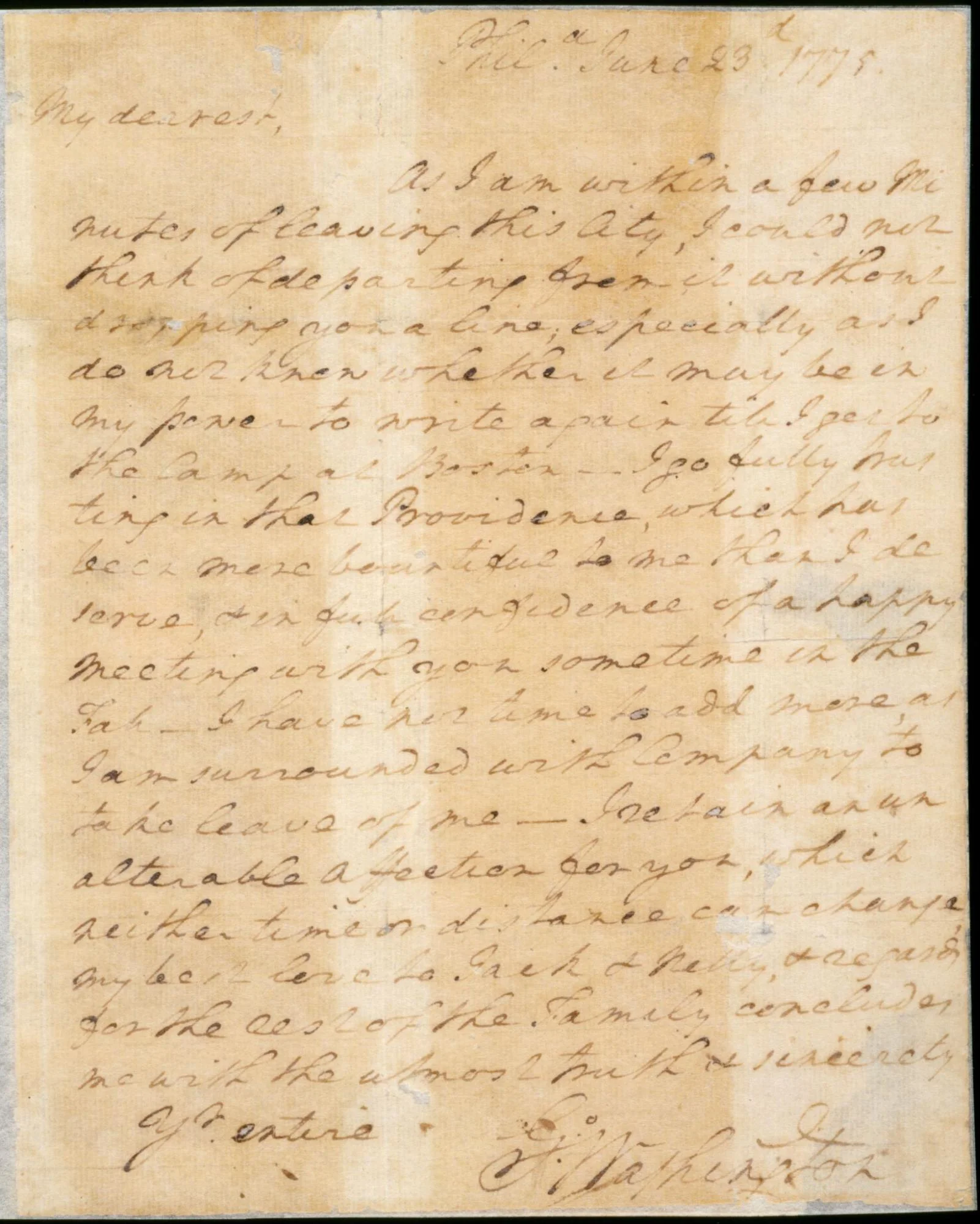
Washington's letter to his wife Martha, June 23, 1775. (MVLA)
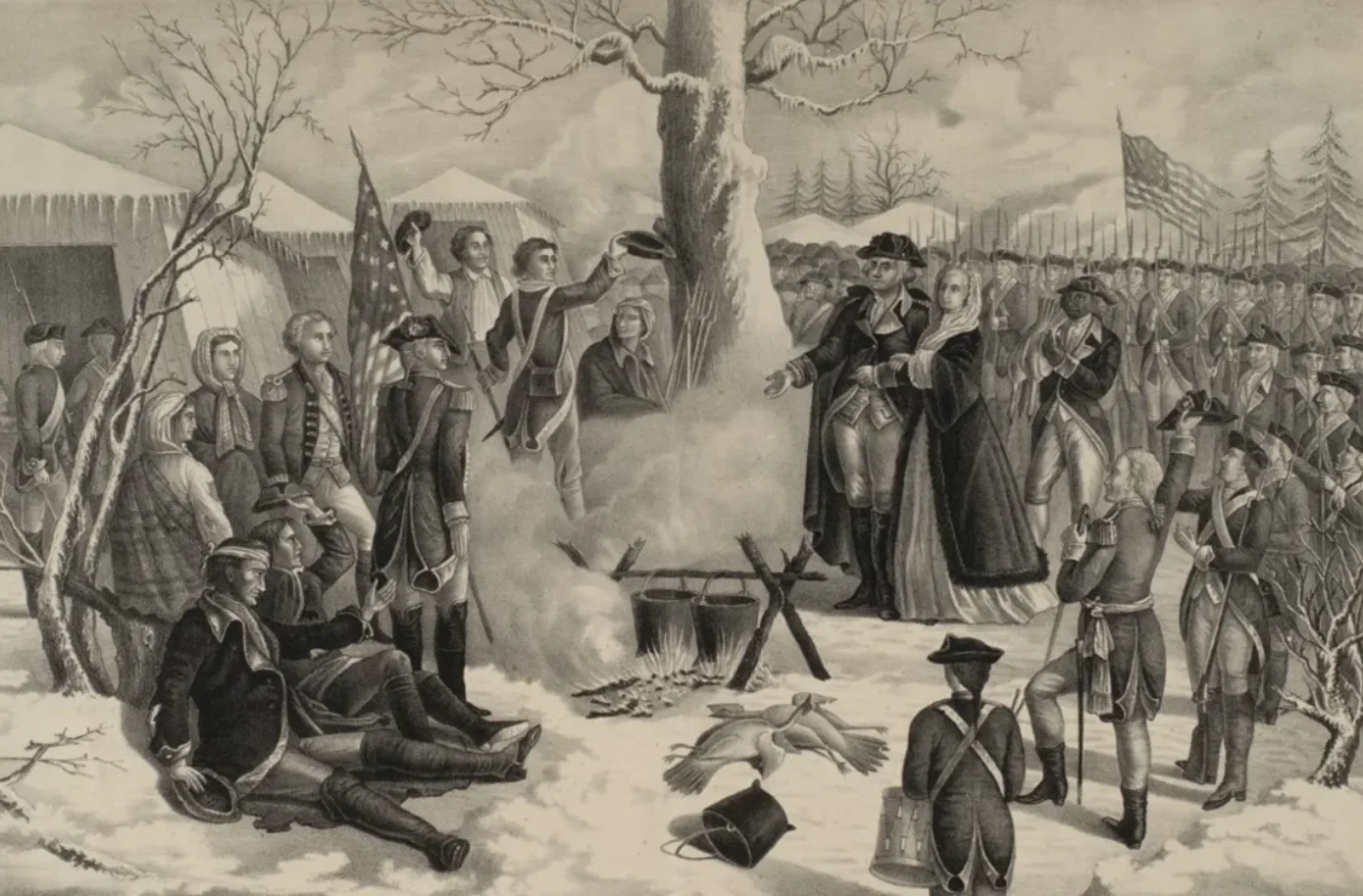
The General and Martha Washington at Valley Forge. Harry T. Peters, "America on Stone" Lithography Collection, National Museum of American History.
Lost and Found
In 1802, just before Martha Washington’s death, according to a letter from her granddaughter Eleanor to Washington biographer Jared Sparks, the nation’s first first lady ordered the letters between her and husband to be destroyed during her “last illness,” thereby safeguarding the privacy of nearly 41 years of marriage.
However, sometime before 1828, Martha Washington’s granddaughter, Martha Custis Peter, stumbled upon two letters concealed behind a drawer of her grandmother's writing desk. She had inherited the desk and moved it to Tudor Place, her home in Washington, D.C.
After George Washington purchased the piece in 1789, Martha must have used it as storage space for many years of correspondence, including those dating back to the Revolutionary War. This historic desk is now once again at Mount Vernon, in the Washingtons’ Bedchamber.
The consecutive dates of the letters suggest that Martha kept them bundled together chronologically, keeping with her husband’s practice. It remains a mystery how these two letters became separated from the rest of the bundle. It could be that someone, perhaps even Martha herself, intentionally slipped them back behind the drawer. More likely, the letters may have been at the bottom of a stack, and slid away from the rest when they were taken from the drawer to be burned.
Apart from one other letter from Martha to George dating to March 30, 1767, the rest of the correspondence between the couple has been lost, giving the Washingtons the privacy they rarely had while they lived.
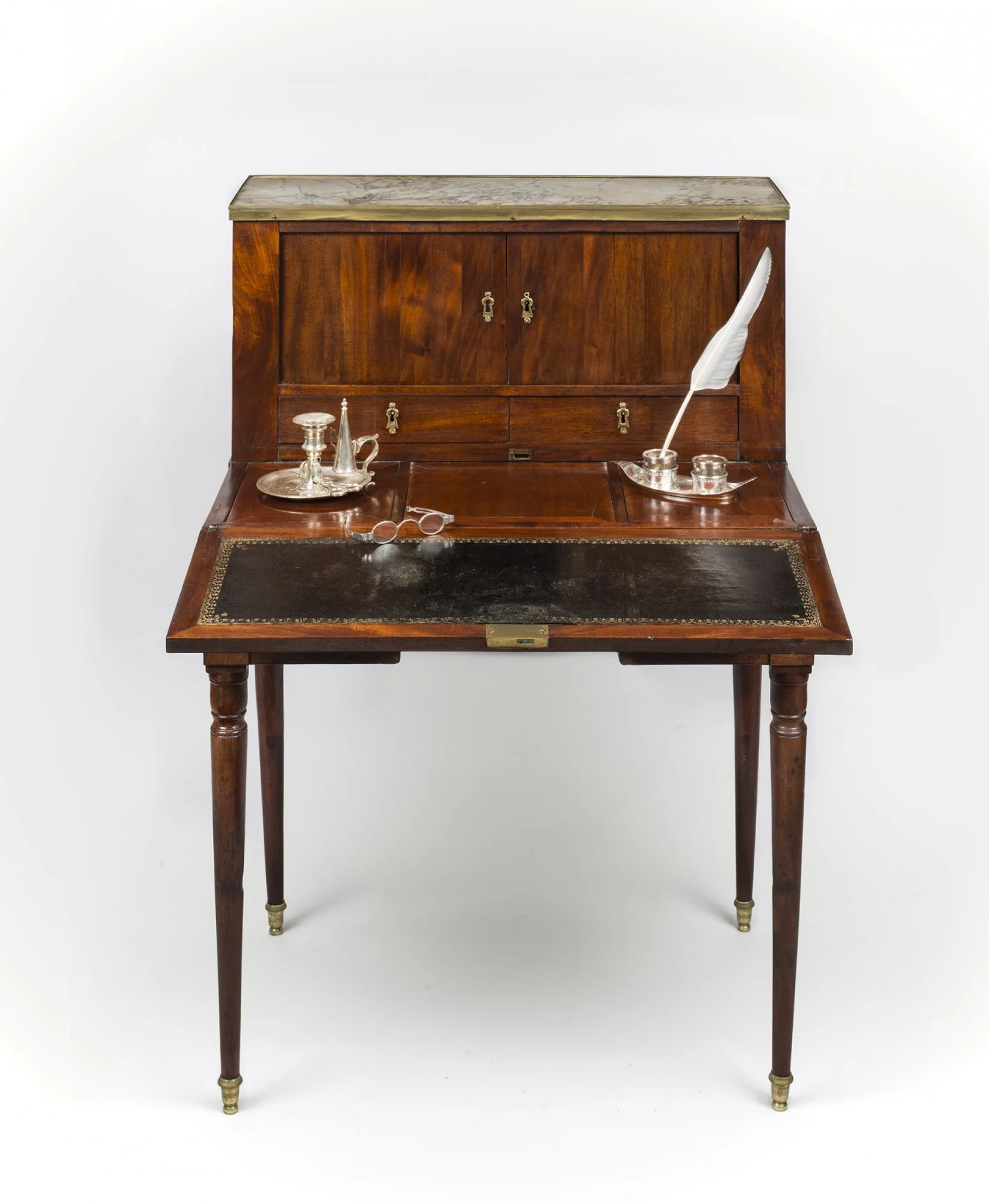
Martha Washington’s writing desk. MVLA [W-220]
Love Letter From George Washington
In a letter from the collections of the George Washington Presidential Library at Mount Vernon, the newly appointed general of the Continental Army, George Washington, shares his feelings of unconditional love for his wife Martha.
About the Author
Samantha Snyder is the reference librarian at the George Washington Presidential Library at Mount Vernon, where she is responsible for developing the library's general collections and electronic resources, as well as managing all reference inquiries.
Mount Vernon Love Story
Support Mount Vernon by purchasing a copy of Mary Higgins Clark's book Mount Vernon Love Story.