
What Is The Teacher Fellowship Program?
The Life Guard Teacher Fellowship Program is a three week onsite, immersive professional development experience designed to invite current educators to create classroom materials that will enhance and expand the teaching of George Washington, his legacies, and the founding era alongside the Education team.
What To Expect?
In 2026, teacher fellows will be selected to collaborate with one another and work with the Mount Vernon K-12 team and Washington Library staff to design inclusive, inquiry-based education resources for use in K-12 classrooms nationwide.
The designed resources will include:
- Student-led inquiries into Mount Vernon digital museum and library collections
- Scaffolding for multiple grade levels and differentiated learning styles
- Alignment with current classroom needs and conversations today
- Connections to George Washington's biography, leadership, and legacies
Additional important information:
- In order to be considered, applicants must be able to attend their entire preferred fellowship.
- Applicants may choose to apply for one or both fellowships, but the selection committee will only select them for one.
- The review team may consider and select applicants for a different theme if they believe the applicants are a better fit, even if those applicants originally applied for only one theme.
What Are The 2026 Fellowship Themes?

George Washington and STEAM Teacher Fellowship
Dates: June 7 - June 27, 2026
Fellows will research and develop educational resources focusing on how STEAM intersects with key aspects of George Washington’s life and legacy. Using Mount Vernon as a case study, they will examine themes such as forming a new nation, agricultural innovation in the 18th century, and other ways STEAM shaped Washington’s world. Creating new tools that help educators and students connect to Mount Vernon as a place to learn about history and as a dynamic environment for exploring the STEAM disciplines.
Grade K-6 educators are encouraged to apply for this fellowship.

George Washington and Indigenous Nations Teacher Fellowship
Dates: July 5 - July 25, 2026
Fellows will explore and create resources on the complex relationship between Indigenous peoples and George Washington. The creation of these resources will examine the long history of indigenous people in the Mount Vernon area and the relationship Washington had with different indigenous nations. Creating tools for Educators and students to better support learning about indigenous nations and their impact on forming a new nation.
Grade 7-12 Educators are encouraged to apply for this fellowship.
What Will Each Week Entail?
Week One
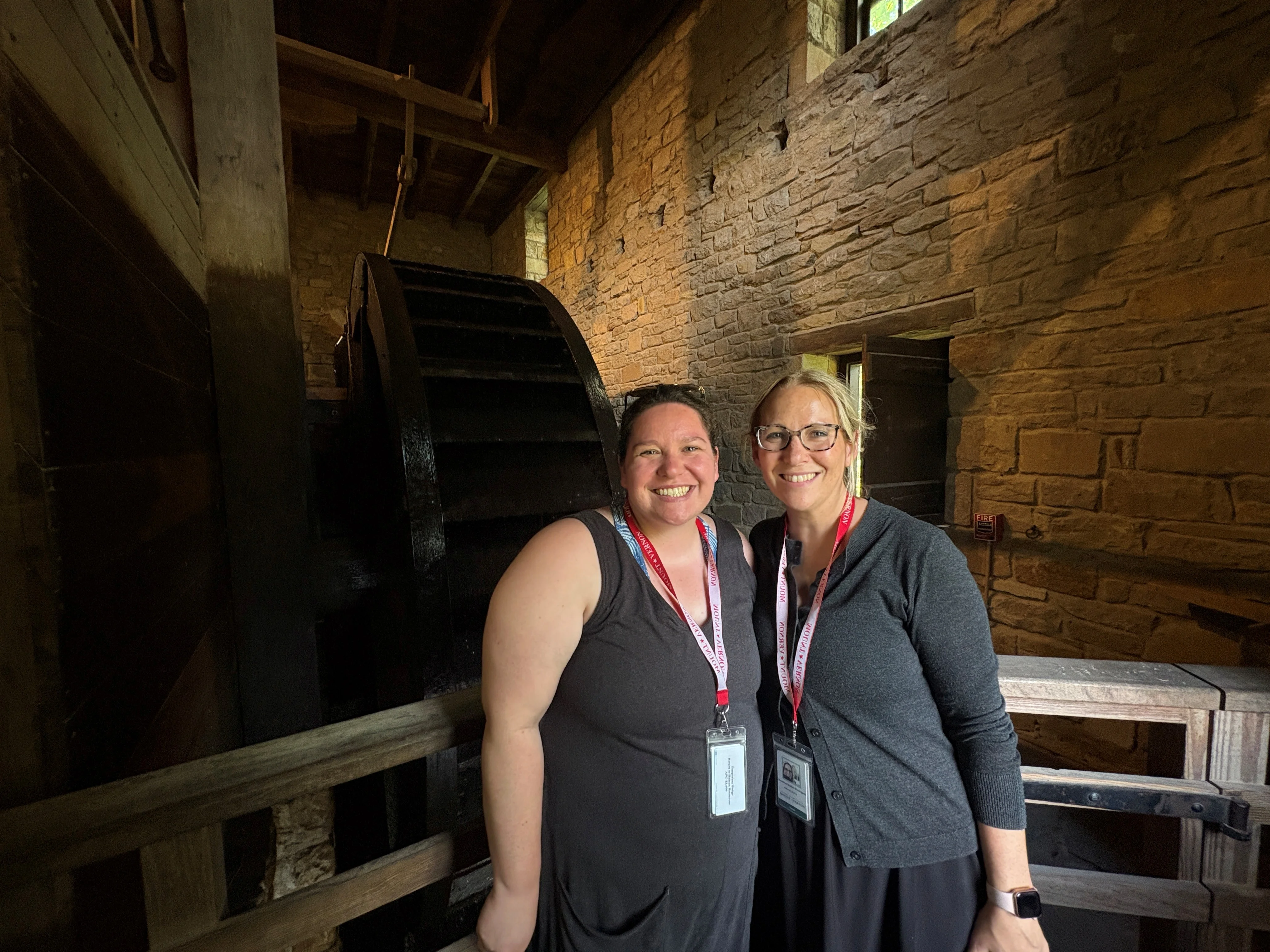
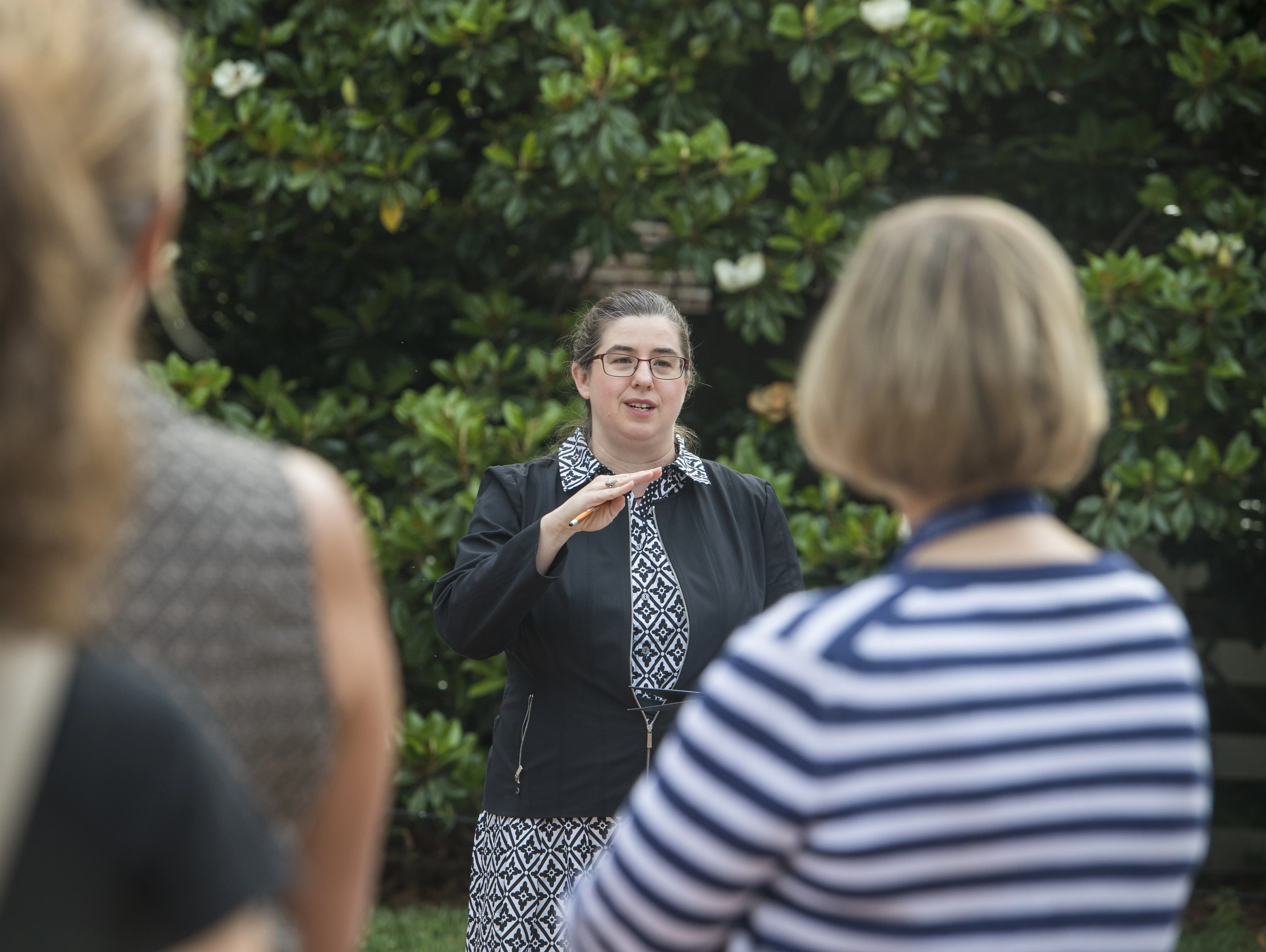
Attend select Summer Residential programs sessions that align with the research being conducted. Also, meet with museum and academic experts about Washington’s world and investigate historic documents, artifacts, and places to learn more about George Washington and his legacy.
Week Two
Take a deeper dive into the research and analysis of learning from a historic site, archaeological finds, and additional sources across Mount Vernon’s collections.
Week Three
Develop a classroom resource from the research. Work with the Classroom Resource Specialist and the K-12 team to create, edit, and finalize resources for educators and students to use.
Do The Fellows Get Paid For Their Time?
YES! All fellows will receive a $3,000 honorarium and round-trip travel to and from Mount Vernon.
Housing on-site will be provided.
All meals and incidentals will be the responsibility of the fellow.
Who Can Apply?
The Teacher Fellowship Program actively seeks applications from K-12 educators working in a variety of formal classroom, school, and district settings around the country. We care deeply about uniting diverse sets of teachers from differing backgrounds and with different experiences to collaborate and learn together about the diverse interpretations of George Washington and the world he lived in.
Qualified applicants include any who are currently working in the United States (or at a U.S. State Department-based school) as a:
- Classroom teachers (grades K-12)
- Education administrator
- Curriculum, resources, or media specialist
The review committee will be looking to develop a collaborative team of fellows, including but not limited to:
- K-12 Educators/ Teachers
- Special Education teachers
- Specialists with experience creating district-level educational resources.
Educators must anticipate teaching or working directly with classroom teachers the following school year.
What's The Application Process?
Below are the basic required components of the 2026 Teacher Fellowship Application
Application Questions
Basic questions: Respond to questions about yourself and your school
Short Answer Questions: Respond to three to five questions that will support your candidacy as a Fellow.
Attachments
Resume (or Curriculum Vitae): Upload a resume that includes relevant education/professional development, leadership roles held, collaborative teamwork, and resource or curriculum development experiences.
Best Practice Sample: Provide up to two samples of an educational resource you have created that addresses your qualifications as a fellow.
Letters of Recommendation
Recommenders: Names and contact information of two recommenders who can address your skills and experiences as an educator.
Virtual Interview
Final Step: The eight top applicants will participate in a 45-minute individual interview to allow for further discussion and to answer questions.
Additional Note:
AI can be used for grammar or spell check purposes; however, if AI is used to write the application, it will be immediately disqualified from the fellowship.
Why Should I Apply?
- Experience unparalleled access to George Washington's Mount Vernon staff, sites, and collections, and even stay in our scholars' residence.
- Learn from place, and museum and academic experts about George Washington’s life and lessons in leadership.
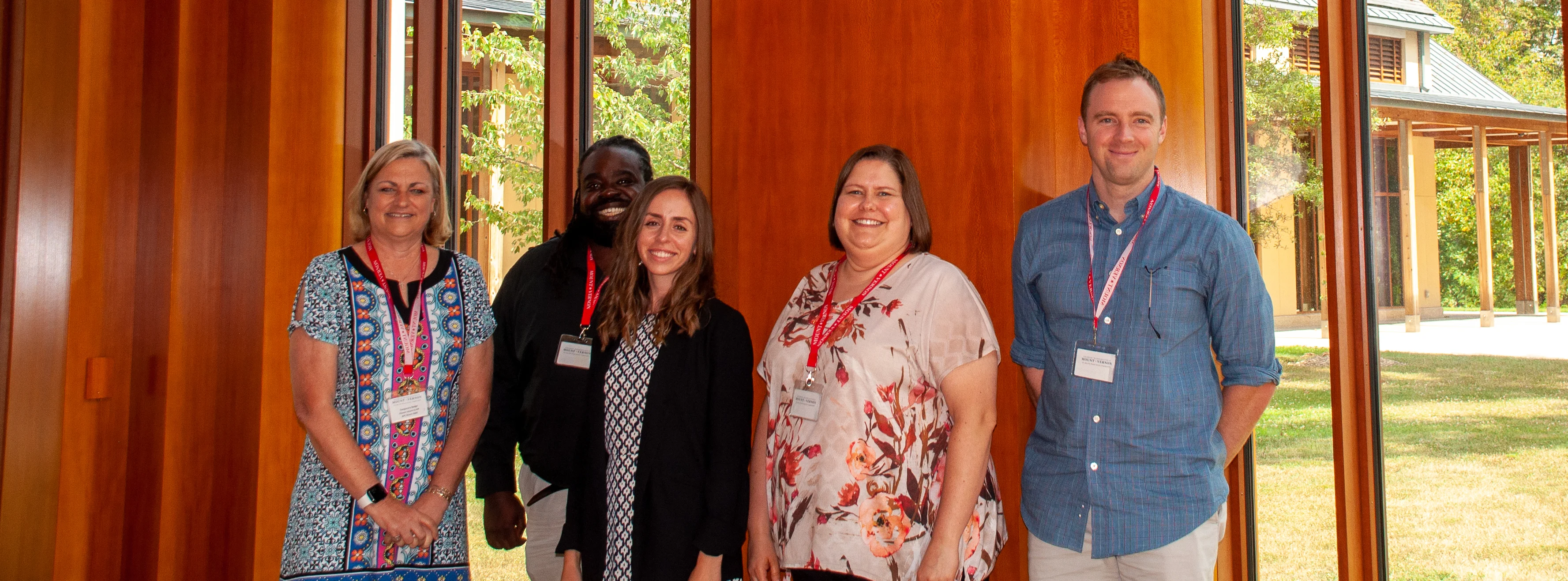
- Collaborate with a partner or small group of dynamic educators to devise new ways to bring the diversity of the 18th-century and George Washington's biography, leadership, and complex legacies to life in classrooms across the country.
Where Will Fellows Be Working And Living During The Fellowship?
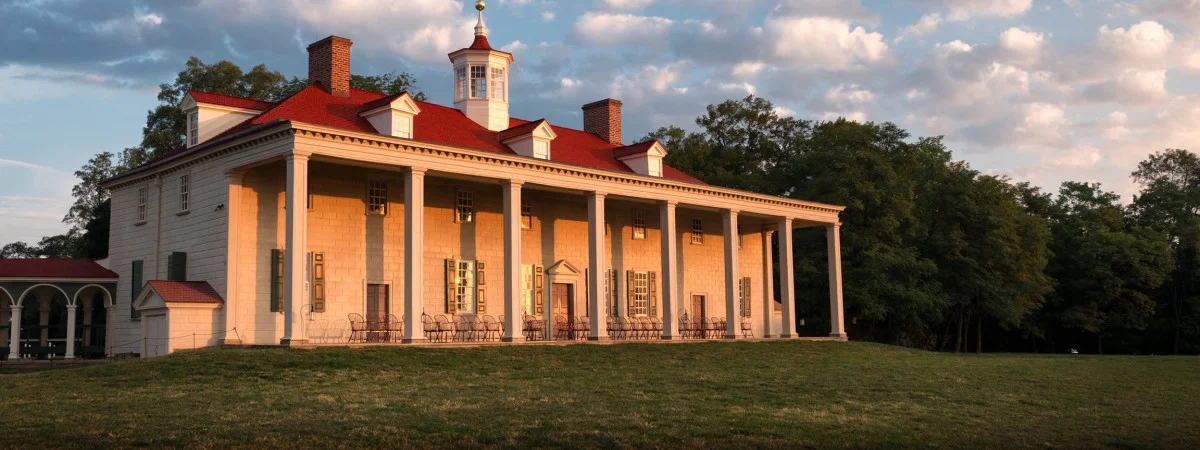
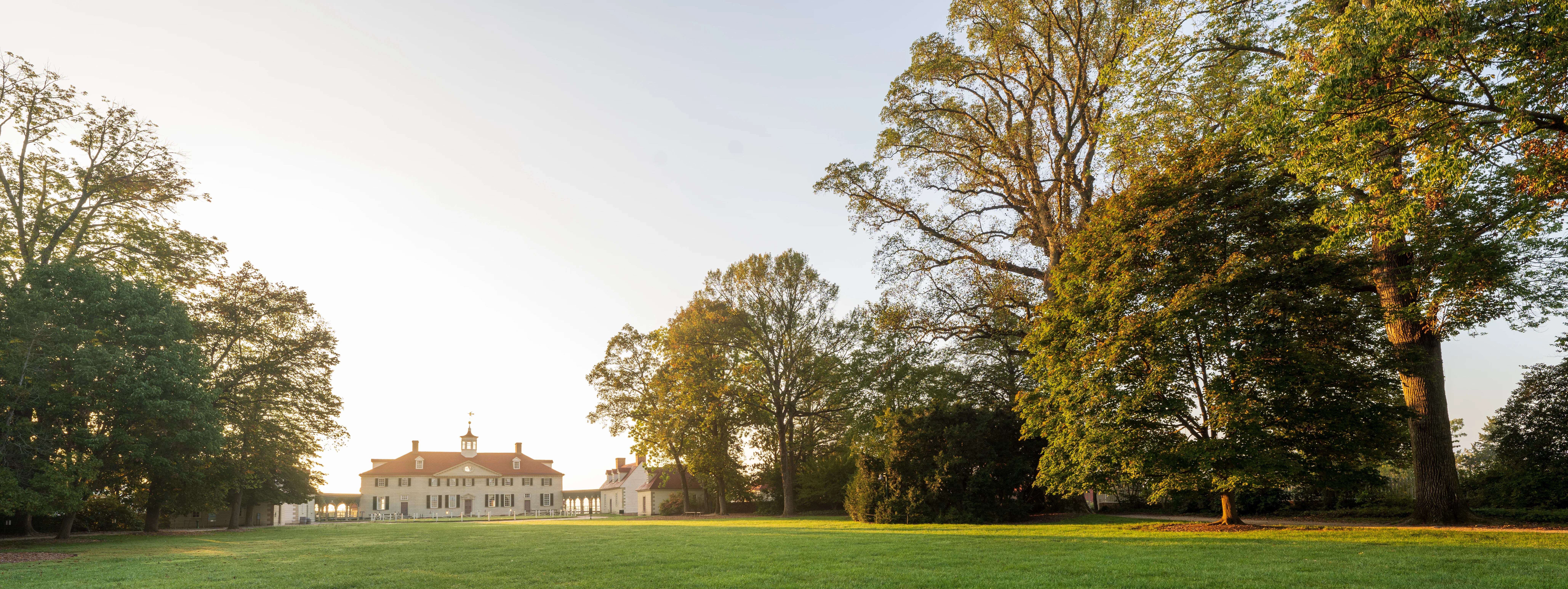
George Washington's Mount Vernon: Fellows will work on George Washington's estate, where they will have the opportunity to connect and collaborate with Mount Vernon's on-site experts.
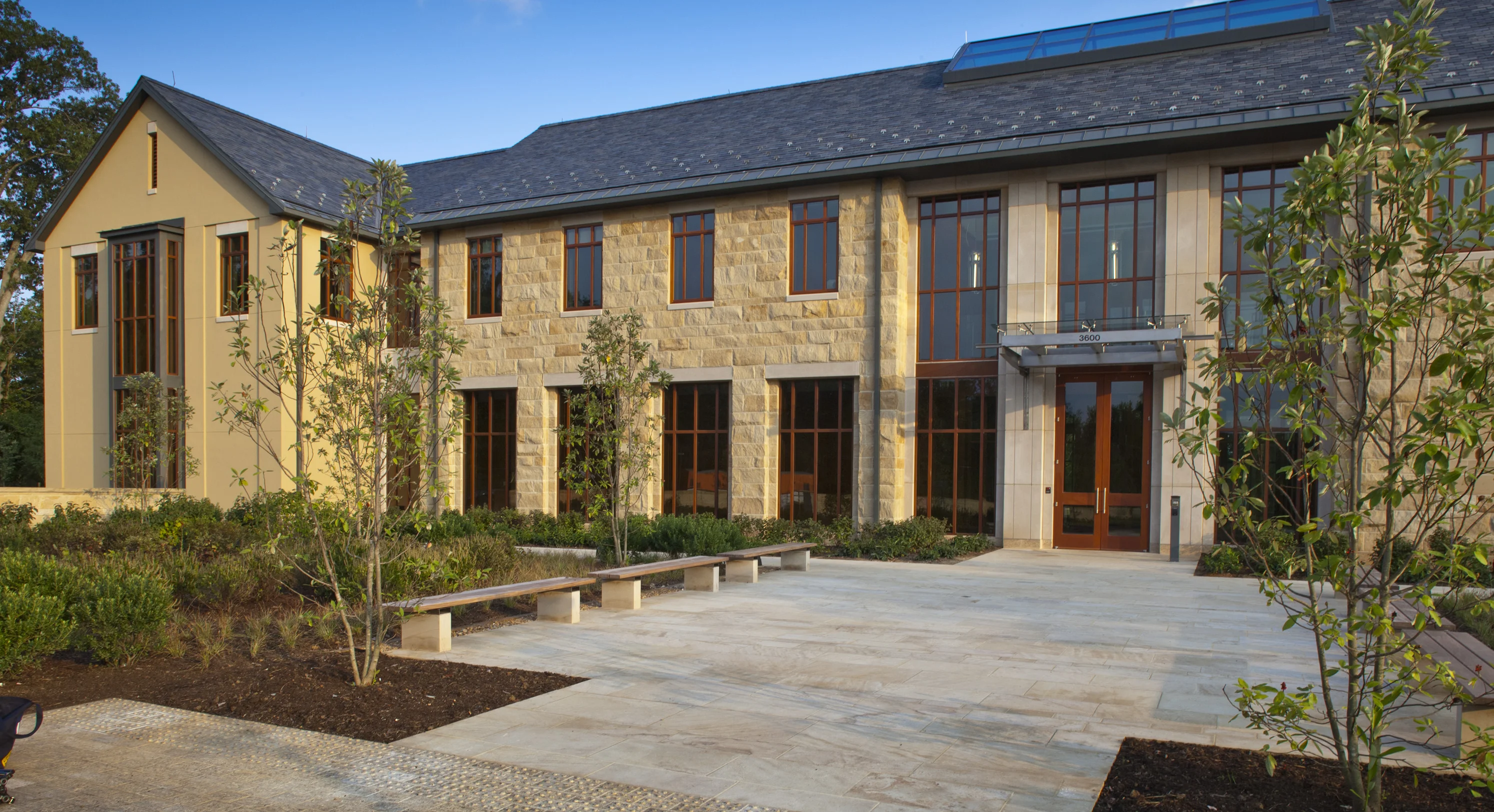
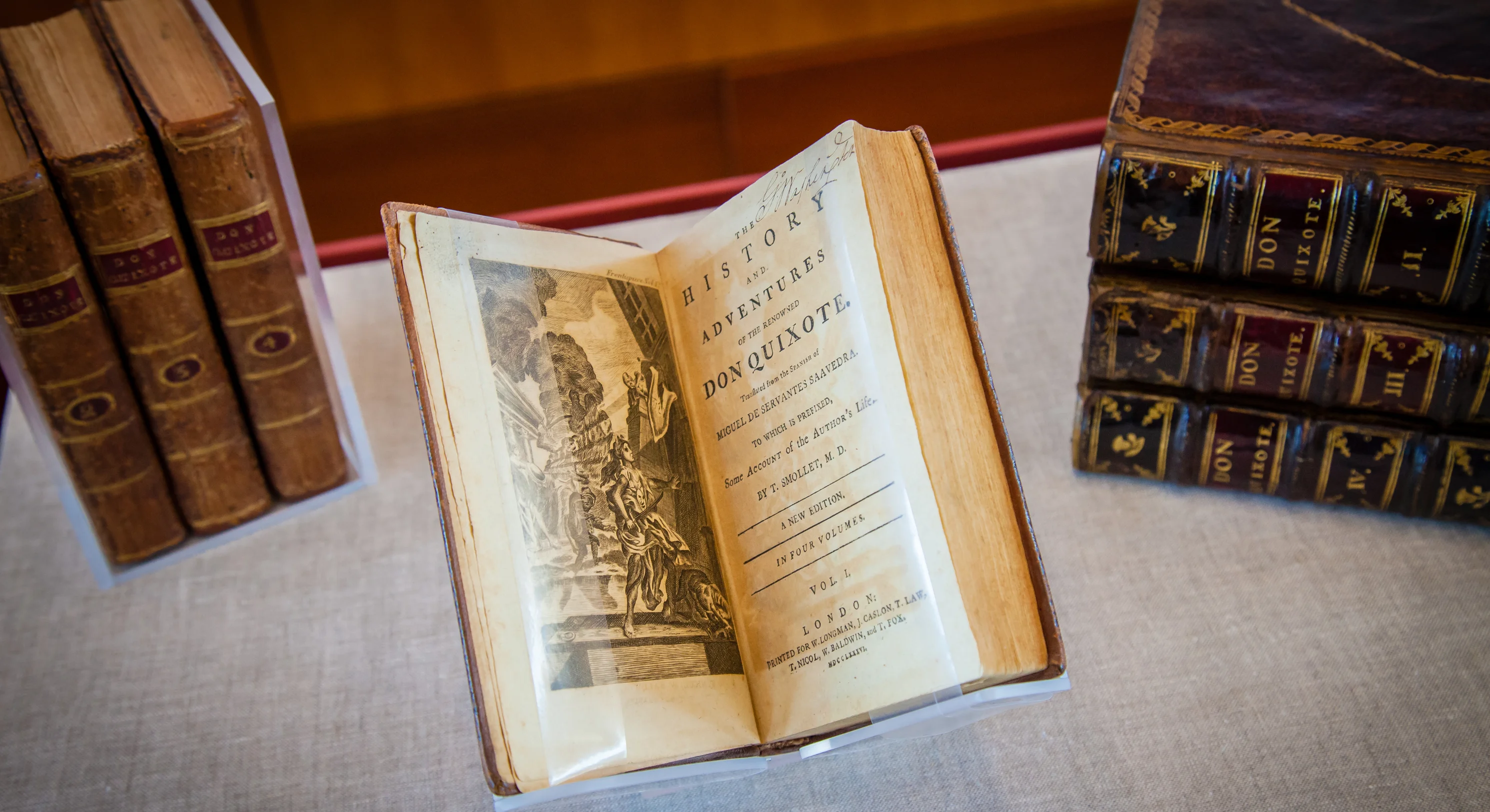
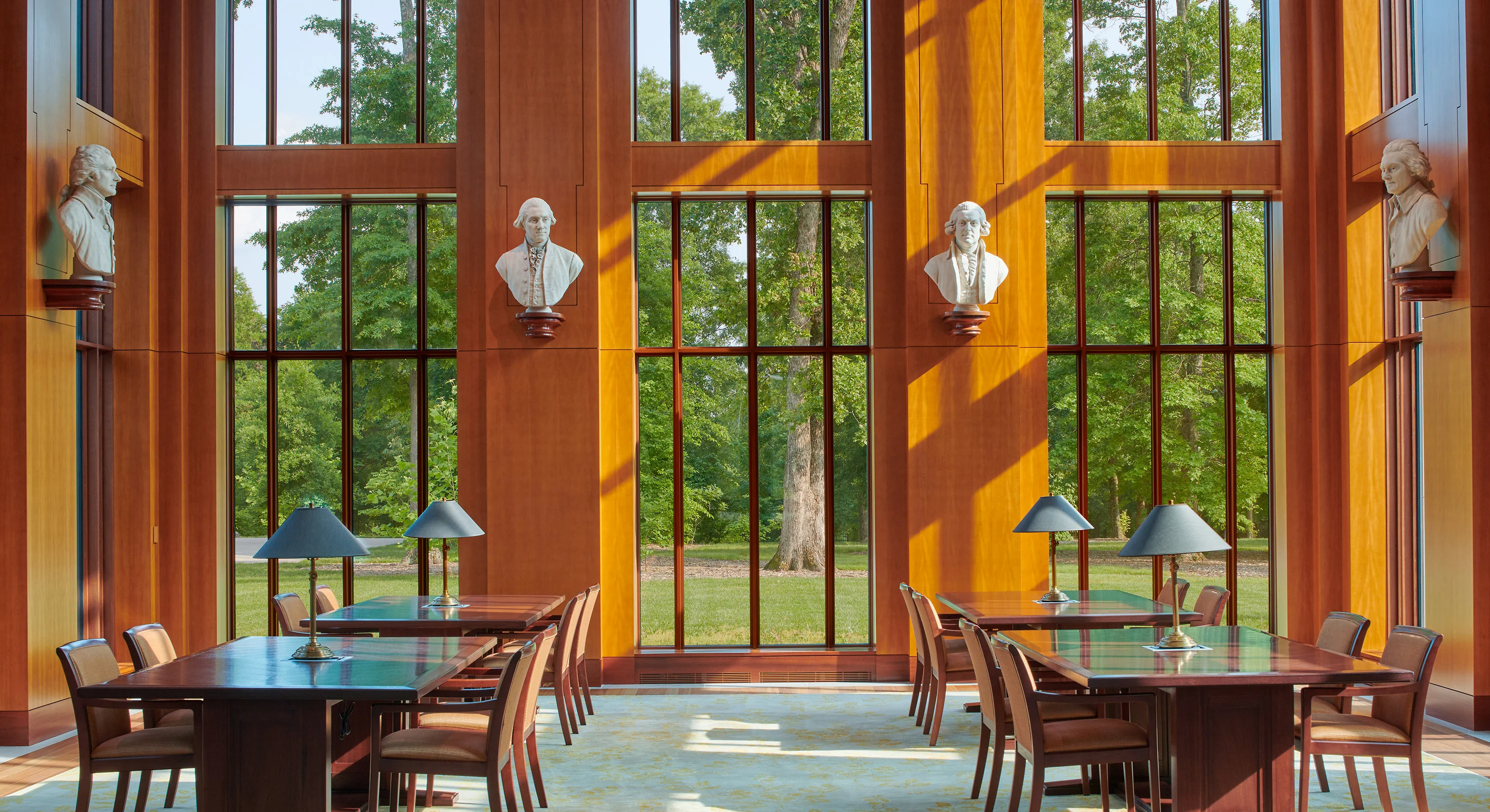
The George Washington Presidential Library: Fellows will enjoy unparalleled access to the extensive resources of the 45,000 square‐foot Washington Library. The Library is designed to house and safeguard original Washington documents, other materials from the founding era, and contemporary research tools and resources.
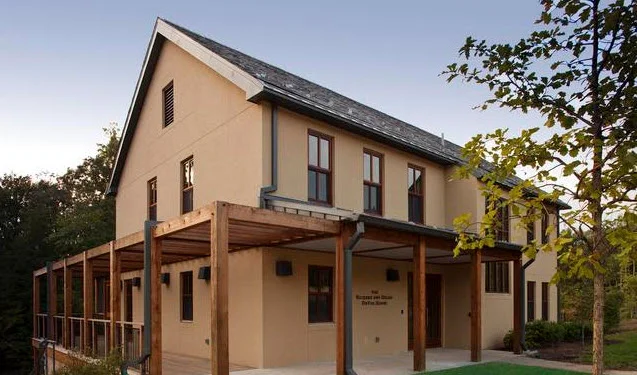
The DeVos House: As part of the covered costs, fellows will reside in single rooms within the Richard and Helen DeVos House, a scholars' residence located just 150 feet west of the Washington Library. Additionally, during the fellowship, access to a parking space, a single bedroom, a common area, a small kitchen, and Wi-Fi is included during the fellowship.
What Else Do I Need To Know?
Accessibility: When considering your accessibility needs, please keep in mind that Mount Vernon is located on 500 acres, including walking on hilly and unpaved terrains, and stairs within the on-site housing. Accessibility arrangements can be discussed with the Education Department prior to your participation. Click here for additional information about accessibility at Mount Vernon.
Continuing Education Units (CEUs), Professional Development Points (PDPs), or Graduate Credits: We currently do not offer official CEUs, PDPs, or Graduate Credit. Fellows can track the hours spent engaged in fellowship work and request a letter of participation or certificate outlining their contributions.
Apply Now
Click the link to apply for the Teacher Fellowship Program
History of the Fellowships
The Life Guard Fellowship Program was established in 2013 to support the creation of classroom materials and teacher resources about the life, legacy, and leadership of George Washington. The Reese Fellowship Program began in 2017 to support increased student engagement with 18th-century sources by connecting high school students with print and handwritten primary sources.
Back to Professional Development
Click the link to go back to the Professional Development Page
Professional Development Opportunities