
Inside the MVLA’s decadeslong quest to preserve George Washington's beloved view.
Mount Vernon’s perch on the gentle slopes along the Potomac River affords a sweeping view across to the woodlands and wetlands on the Maryland shore. It was a perennial favorite for visitors during Washington’s time and remains so today. It’s a landscape that deepens one’s understanding of the farmer, founder, and first president who often enjoyed the riparian scene and afternoon tea with guests on the piazza.
But from the mid-20th century on, millions of people have viewed the unchanged vista with no notion that but for the pioneering efforts led by the Mount Vernon Ladies’ Association (MVLA), visitors might now be gazing out across the river onto an electrical power station, amusement park roller coasters, or a sewage plant. This is the complex story of the fight to preserve the view.
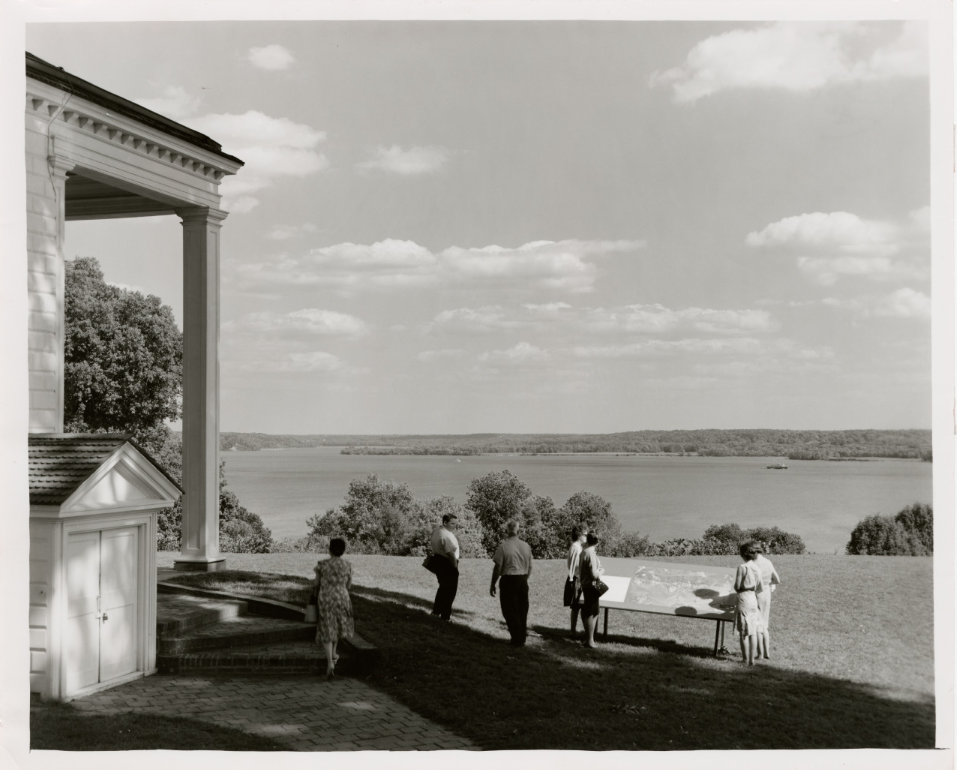
What is a Viewshed?
The Oxford English dictionary defines a “viewshed” as “the geographical area visible from a specific location, encompassing all points in line-of-sight.” The beauty of George Washington’s historic view overlooking the Potomac River from the Mansion’s piazza is indisputable, and it set the precedent for protection of the environment surrounding a historic site. According to historian John H. Sprinkle, in his book Saving Spaces: Historic Land Conservation in the United States, “while the scenic qualities of nature could be considered of national significance and worthy of federal stewardship, that concept had never before been applied to historic sites.”
Creeping Suburban Sprawl
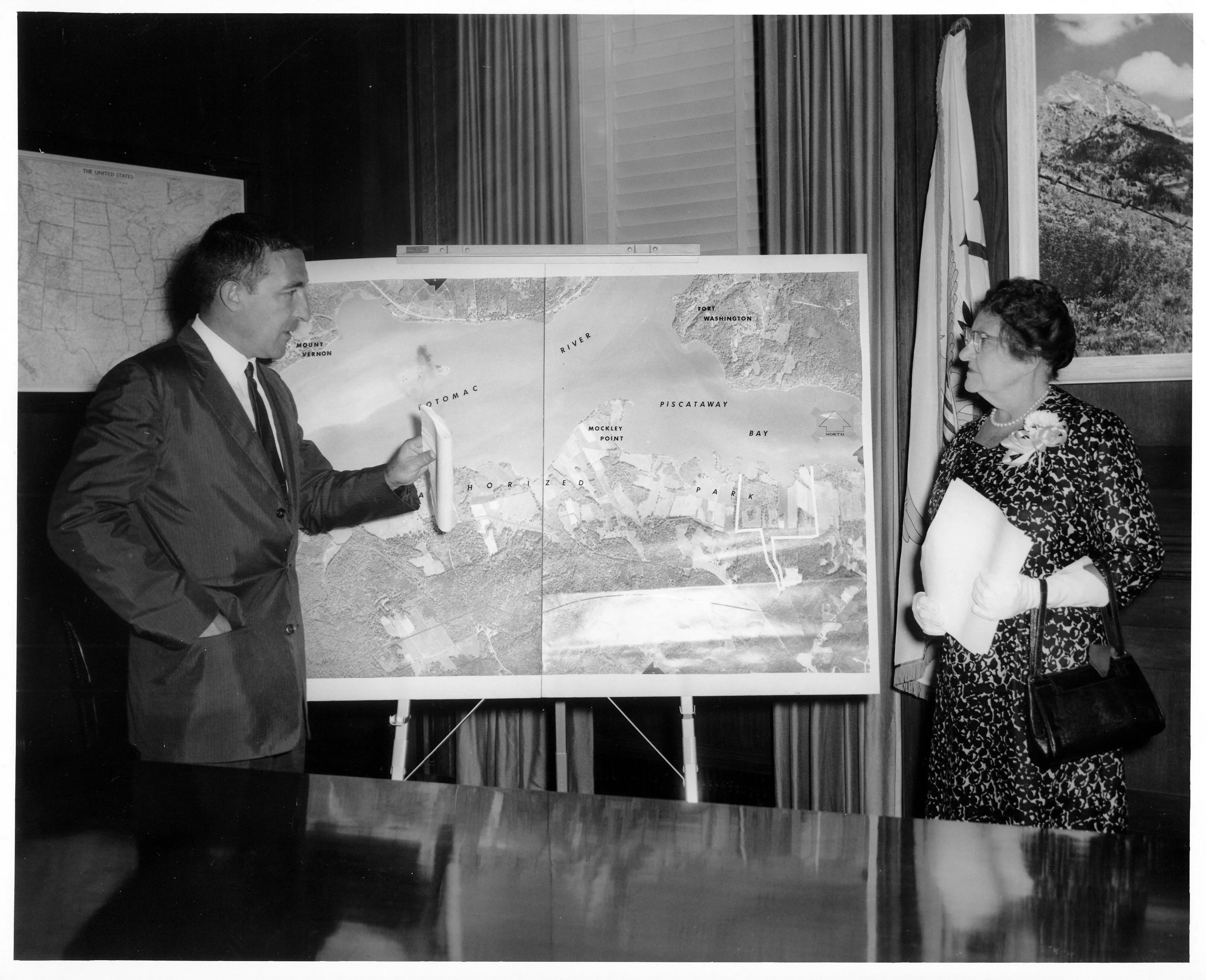
At the MVLA’s Council meeting in 1954, Mount Vernon superintendent Charles Cecil Wall invited the Vice Regents out to the east lawn, pulled out two maps of the Maryland shore, and pointed to an area only 20 miles south of Washington, D.C., made up of mostly untouched private land. Represented were hundreds of acres that could soon be sold to developers.
Anxiety over residential and commercial encroachment around Mount Vernon was not new to the MVLA. The Association had already spent years cautiously anticipating how a railway trolley, a national memorial parkway, and suburban sprawl would affect the historical serenity it was trying to maintain at the estate.
So when Wall heard murmurings that an oil tank farm or a large housing development could replace the scenic landscape so long taken for granted, he and the Vice Regents began to formulate a plan to curb these projects.
Valuable Partners
Fortunately, they were not alone in their concerns. The National Park Service had already investigated the at-risk area for its potential as a natural or historic park to be stewarded by the federal government. Two conservation-minded neighborhood groups, the Alice Ferguson Foundation and the Moyaone Association, were also looking for ways to preserve the natural setting around their residential communities and private properties.
Frances Payne Bolton, the MVLA’s Vice Regent for Ohio and a U.S. congressional representative from Ohio’s 22nd District, took an early interest in this issue. Her political savvy and financial means made her an invaluable ally.
The National Park Service wanted to acquire the land, but all interested parties worried the bureaucracy and costs involved would delay the process too long. Commercial interests seemed ready to swoop in and nab the real estate. Calls and meetings with philanthropists were promising but proved fruitless.
When the owners of a 500-acre tract directly across from Mount Vernon started receiving offers and counteroffers to sell, Bolton and Wall knew it was time to intervene. In August 1955, Bolton purchased the land at her own expense with the intention of “giving, selling, or bequeathing it” to the federal government or other entity that promised to keep it in its natural state.
Two years later, she helped found the Accokeek Foundation, donating her land toward its mission to create a wildlife refuge, educational farm, and nature preserve. Following this first victory, the MVLA in 1956 formed a “Special Land Committee,” which would continue to monitor the buying, selling, and use of properties across the Potomac from Mount Vernon.
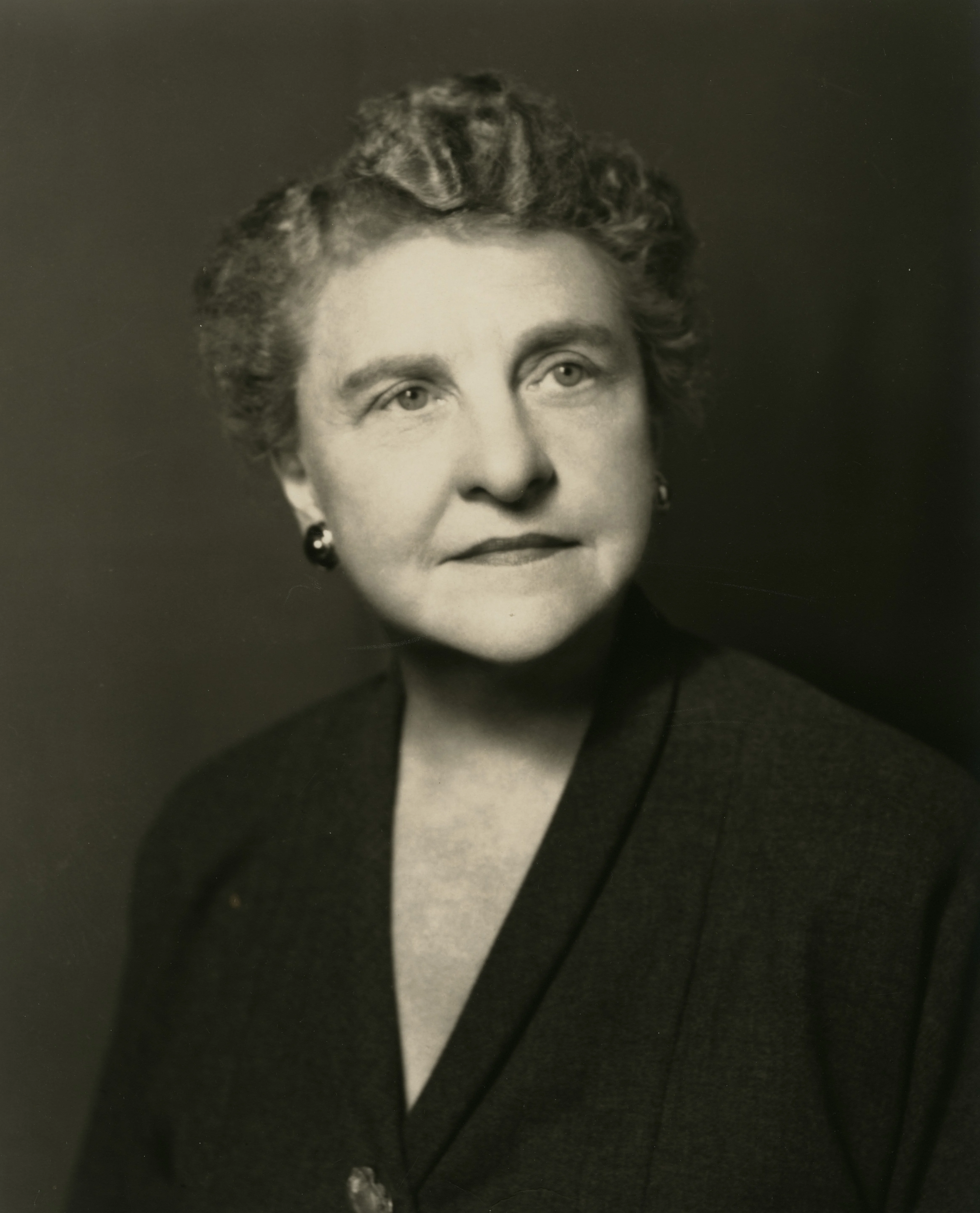
Francis Payne Bolton, Vice Regent and congressional representative for Ohio; she pioneered the preservation efforts of Mount Vernon's viewshed. (MVLA)
Mount Vernon's Viewshed Map
An interactive map exploring the Maryland side of the viewshed
Explore the mapA Strengthening Coalition
An even greater and more direct threat surfaced in 1960 when the Washington Suburban Sanitary Commission submitted a proposal to build a sewage treatment plant near Mockley Point, Maryland, a location not only within view of Mount Vernon, but also an important archaeological site sacred to the Piscataway people, a native Algonquian tribe who lived there for thousands of years.
Chief Turkey Tayac, a local leader who advocated for Native cultural reclamation, supported the establishment of a park. Once again, the MVLA teamed up with the National Park Service and other groups to publicly campaign against construction of the plant. The Association dubbed this effort “Operation Overview,” and prioritized it above many other preservation issues.
In 1960, it began financially backing the Accokeek Foundation with an annual contribution of $10,000 toward its work to research best methods to preserve and use the land. According to Elizabeth Cooke, then Vice Regent for Maryland, “It is useless to pay thousands of dollars for memorabilia and documents … while neglecting the one aspect of Mount Vernon which is probably best remembered by the majority of our visitors—the view.”
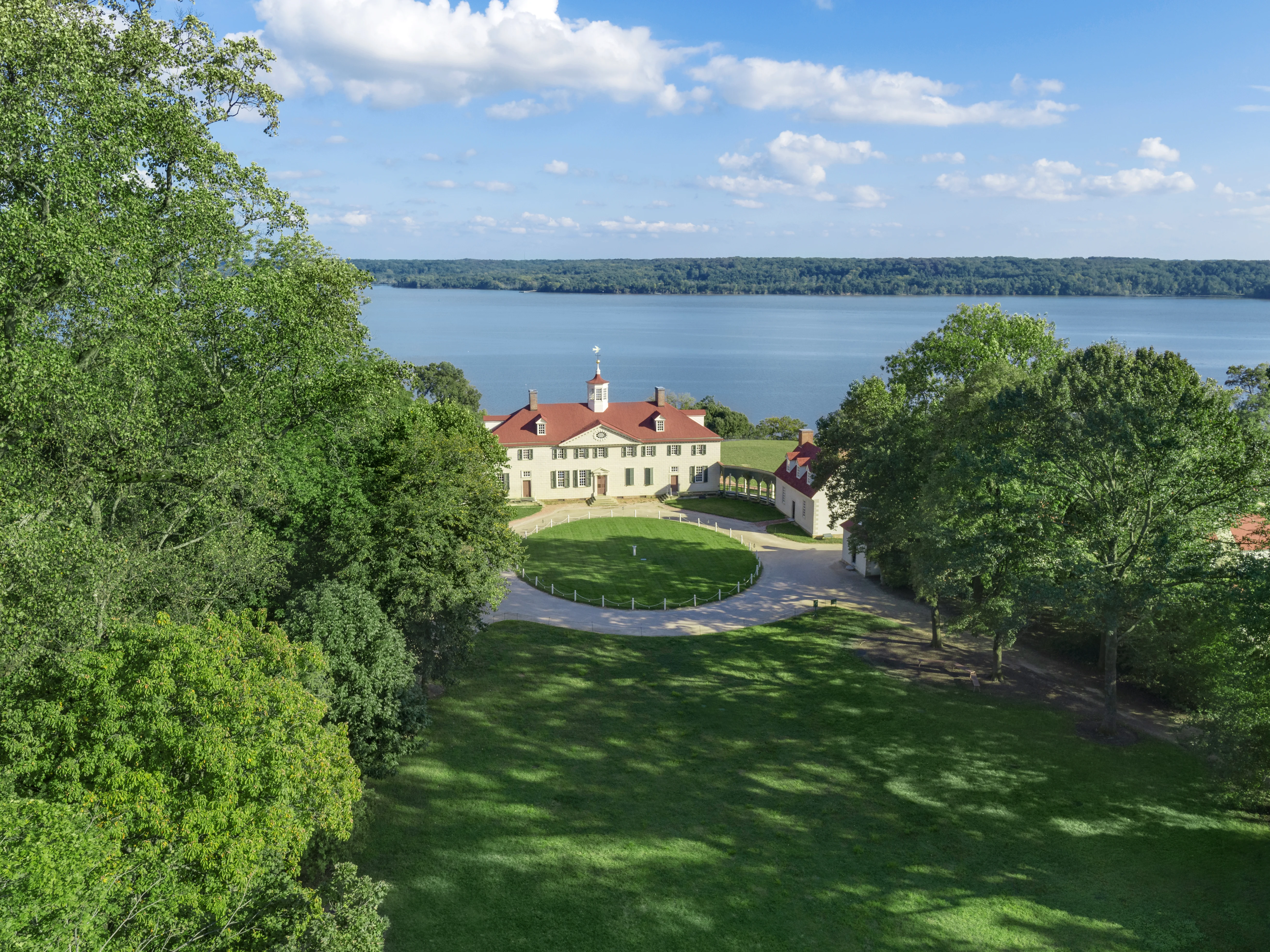
The Mount Vernon Mansion overlooks the Potomac River. (MVLA)
Federal Legislation
The alliance concentrated its efforts to establish federal legislation to protect the land directly across from Mount Vernon by establishing a national park there. Bolton and other Vice Regents appealed to congressional representatives who might draft and introduce a bill in the House chamber.
Community hearings were held and brochures distributed. The Citizens Committee on Natural Resources, an independent citizens action group, printed progress updates and placed a placard with a quote by Regent Rosamond Beirne next to the Mansion’s piazza for all to see: “This is a national heritage from the past, it must be our legacy to posterity. We of the present do not have the right to destroy it.”
Operation Overview had some friends in the government. Two House representatives, John Saylor of Pennsylvania and Wayne Aspinall of Colorado, introduced corresponding bills to authorize the Department of the Interior to “acquire and administer lands” along the Potomac River in Prince George’s and Charles County, Maryland.
But the most publicized show of support was the timely decision by First Lady Jacqueline Kennedy to host a state dinner for the president of Pakistan on the east lawn at Mount Vernon in July 1961. In the following months, the bills to create Piscataway Park passed both the House and Senate unanimously, and President John F. Kennedy signed Public Law 87-632 on October 4, 1961. It was and remains the only park in the National Park system specifically designed to protect the viewshed from a historic property.
Meanwhile, the Accokeek Foundation and the Moyaone Association lobbied the State of Maryland and local governments to grant tax deductions to adjacent property owners who placed scenic or conservation easements on their lands. They also successfully limited commercial development on some tracts of land by purchasing lots for sale and then reselling them after the addition of building and use restrictions.
Throughout the following decades, the land set aside for sale or donation to government parks systems, as well as nearby private lands with easements, began to form a blanket of protection over the viewshed. While the bill signed by Kennedy formally established Piscataway Park, it did not appropriate the money to buy the land needed to fulfill the new law. It would take almost seven more years of letter-writing and lobbying for Congress to earmark the funds. The national park was finally dedicated on Washington’s birthday, February 22, 1968; Stewart Udall, secretary of the interior; and Spiro Agnew, governor of Maryland, were in attendance.
Despite the achievement, there was much left to do. As Phoebe Pack, Vice Regent for Arizona and chair of the Special Land Committee, explained at the MVLA’s Council meeting that year, “Some 1,400 acres of land are still without controls, and the backing of the Mount Vernon Ladies’ Association is necessary to the completion of the project.”

Mount Vernon sits on the shore of Virginia, looking over into Maryland. (MVLA)
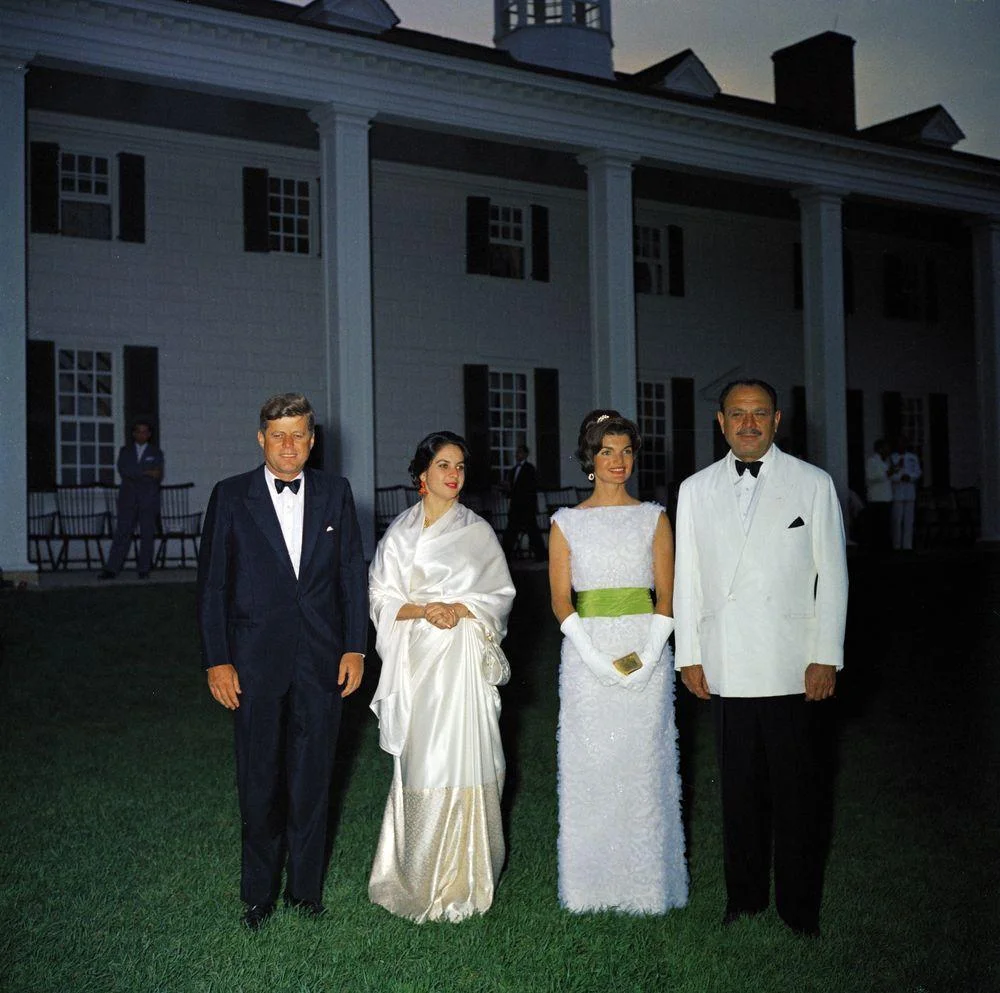
President and Mrs. John F. Kennedy hosted President Mohammad Ayub Khan of Pakistan for a state dinner on Mount Vernon's east lawn in 1961. (MVLA)
“This is a national heritage from the past, it must be our legacy to posterity. We of the present do not have the right to destroy it.”
— Rosamond Beirne, Ninth Regent of the Mount Vernon Ladies' Association
Constant Vigilance
In the following years, the MVLA and its viewshed partners continued to monitor the sale and purchase of properties and pecked away at adding easements or garnering support for the enterprise. It teamed up with the National Trust for Public Land in the late 1980s to map the area to better understand locations still threatened by development, as well as those with zoning ordinances or controlled by easements.
The MVLA hired an environmental design firm in 1989 to complete a geographic data study to analyze “the heights of structures and their effect upon the view from Mount Vernon.” The results, accompanied by reports of interested corporations eyeing land near the viewshed, led to a push to extend the boundaries of Piscataway Park.
In 1994, Mount Vernon’s resident director, Neil Horstman, and representatives from the Accokeek Foundation and Moyaone Association testified to House and Senate subcommittees on behalf of a bill introduced by Paul Sarbanes, senator from Maryland, for this purpose. Having learned from previous experience, an appropriations bill for funding to acquire the land in jeopardy was sought in tandem with one that would officially expand the current park’s acreage. Both bills were successful.
The work is never done. As noted at the Association’s Council in 1995,
More than a dozen new development projects, encompassing hundreds of acres within the viewshed, are somewhere in the planning process.
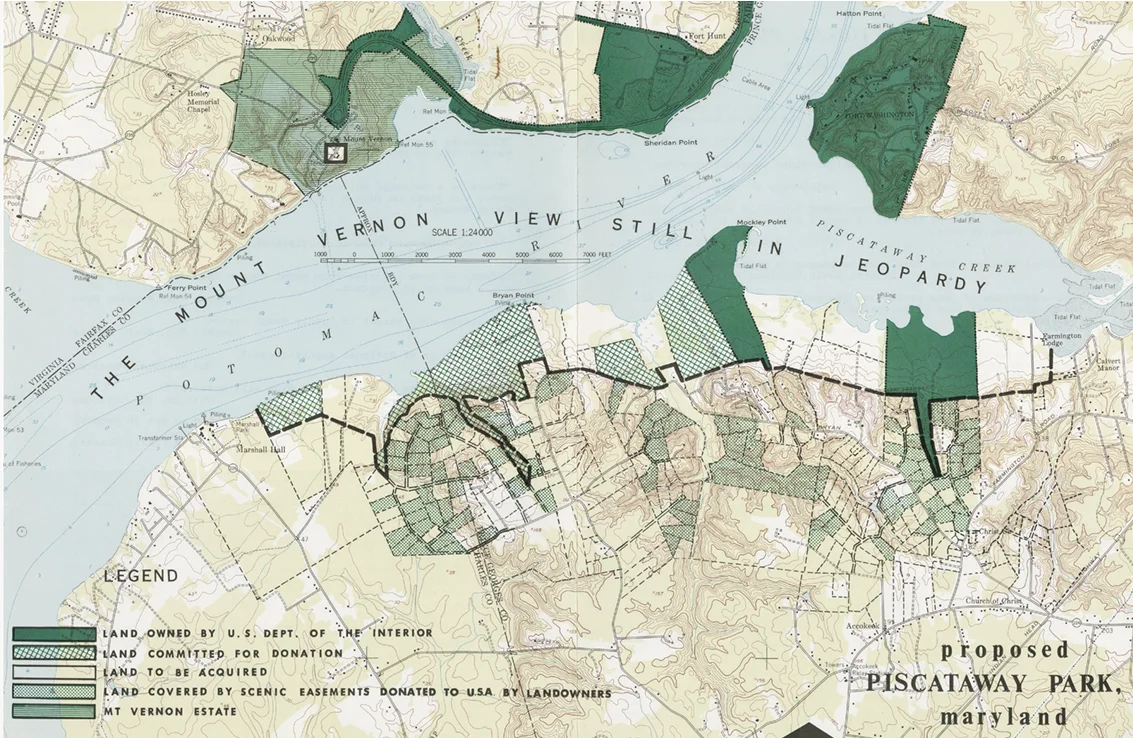
A map of the Mount Vernon viewshed denoting the status of the surrounding land parcels, including those still in jeopardy of commercial development. (MVLA)
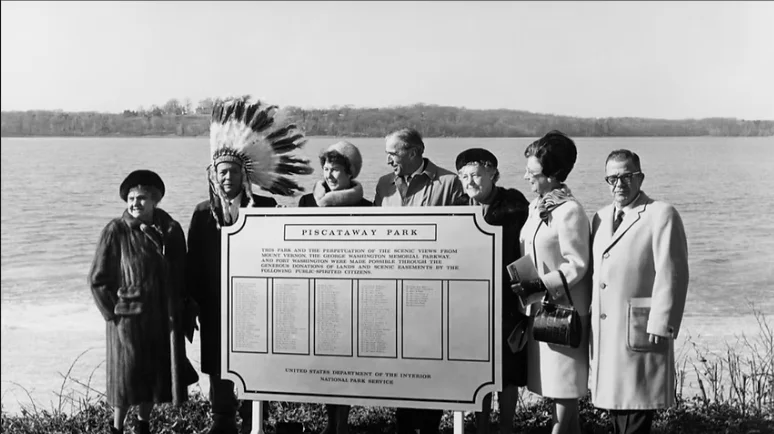
Frances Bolton and Rosamond Beirne of the MVLA, Chief Turkey Tayac, and other proponents at the dedication of Piscataway Park in 1968. (National Park Service)
The vigilance has paid off. When Dominion Energy came forward with plans to build a gas compressor station on land within the viewshed in 2017, the MVLA once again joined its allies to oppose construction. By the summer of 2018, a full-blown “Save the View” campaign was underway: Mount Vernon was put on the National Trust for Historic Preservation’s list of endangered places; there was social media attention and a public hearing on the east lawn. Ultimately, Dominion abandoned its plans for the station, but the close call was another reminder that George Washington’s sweeping and unimpeded view will likely continue to be threatened.
Donors have stepped up to establish a viewshed revolving fund, named in honor of Frances Payne Bolton, that enables Mount Vernon to respond to threats and continue to preserve the view.
The valuable partnerships built over decades of fighting to protect the landscape are undeniably one of the Association’s greatest assets, and its pioneering efforts stitching together public and private tools have served as a model to preserve other historic landscapes.
Gazing out to the river from the east lawn, it’s hard to imagine any other sight than the one that inspired Washington himself to declare,
No estate in United America is more pleasantly situated than this … on one of the finest Rivers in the world.
About the Author
Rebecca Baird is the archivist of the Mount Vernon Ladies’ Association. She is responsible for acquiring, organizing, and providing access to the institutional records of the MVLA.