1800
The Association Takes Control of Mount Vernon
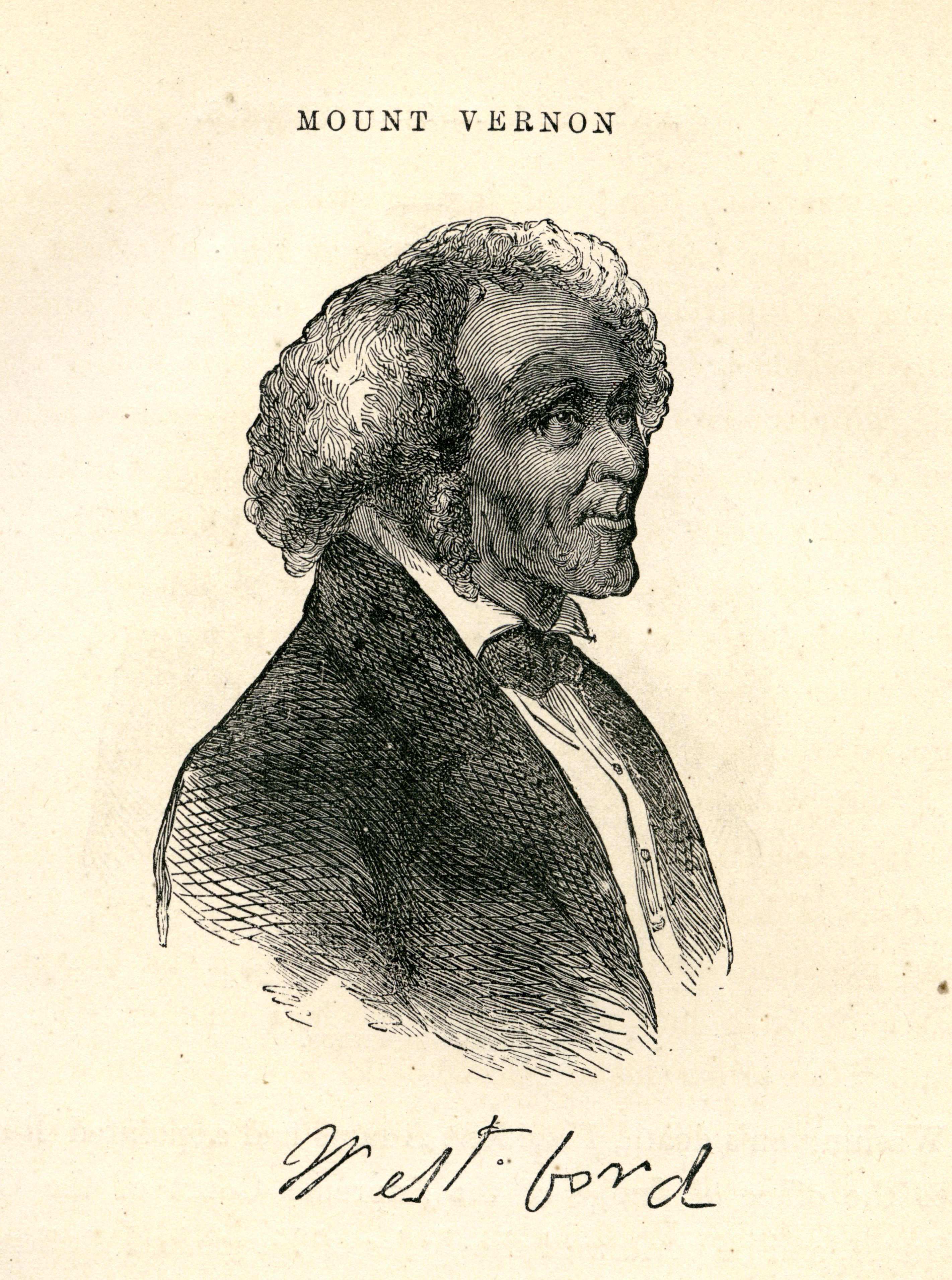
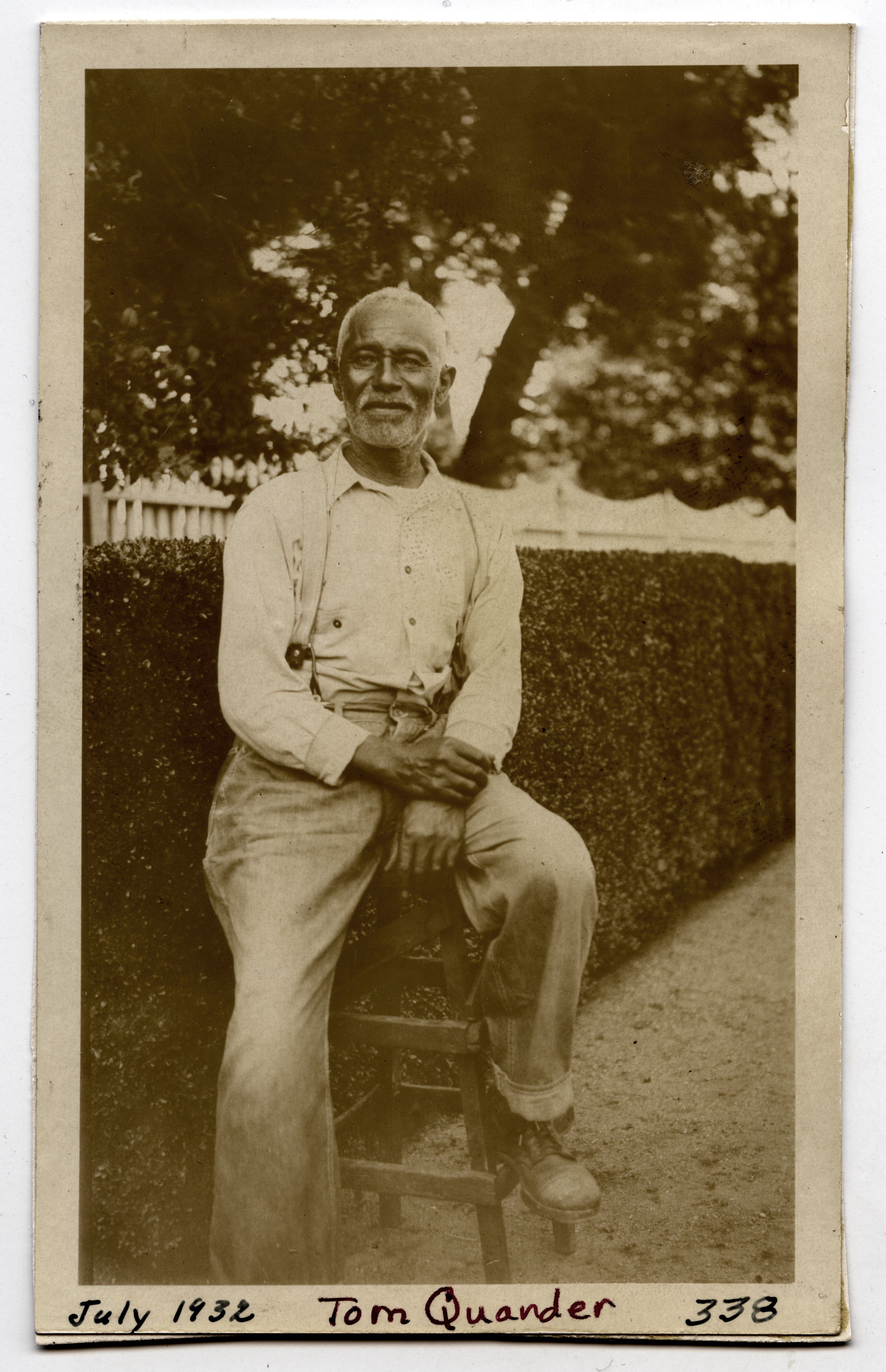
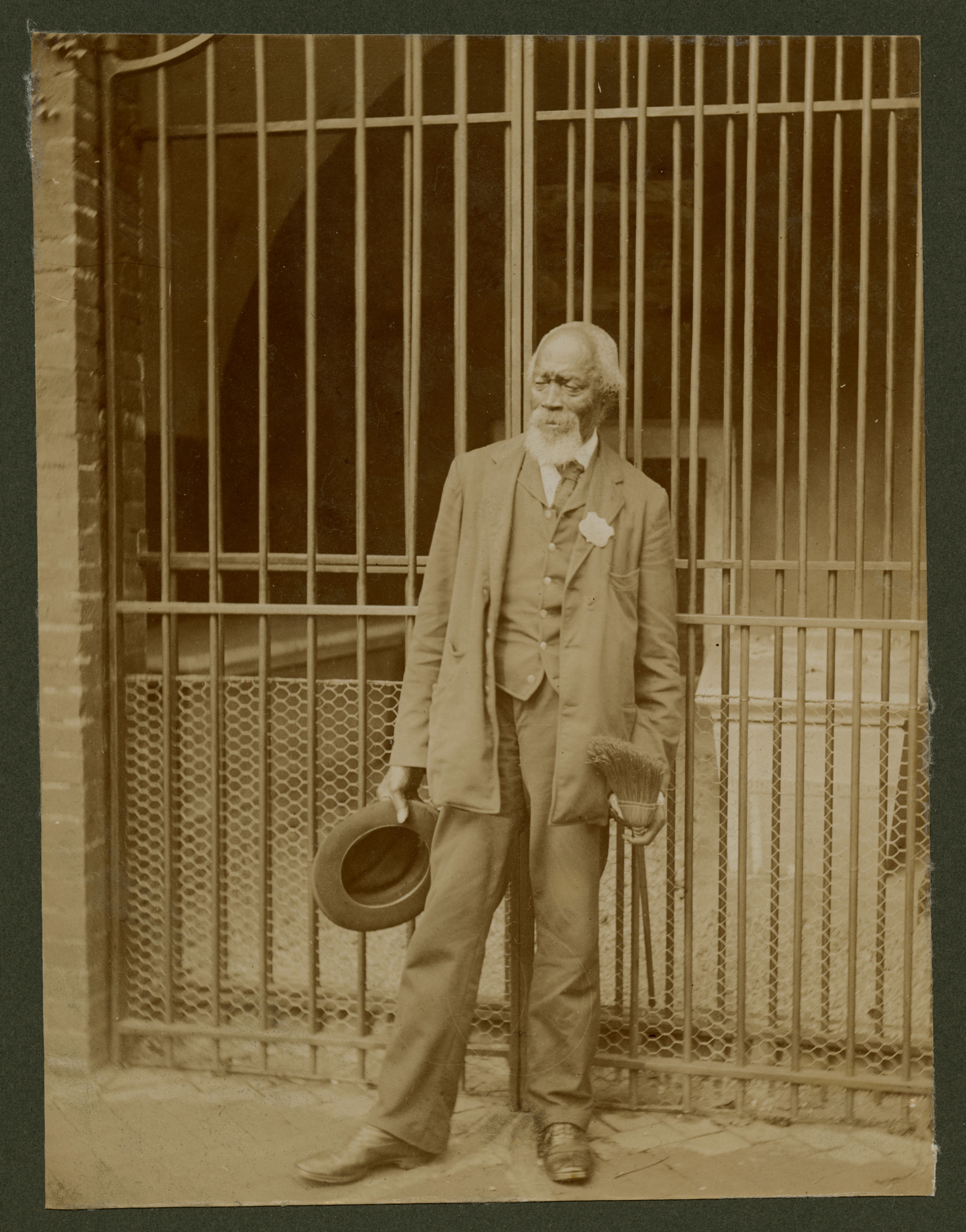
After they purchase the property, the MVLA consults with West Ford, who was enslaved to Washington’s nephew, Bushrod, about the estate’s historic appearance. They hire people formerly enslaved at Mount Vernon or their descendants, including Sarah Johnson, Thomas Bushrod, and Tom Quander, as paid employees who share Mount Vernon’s history with visitors.
1900
An Early Memorial
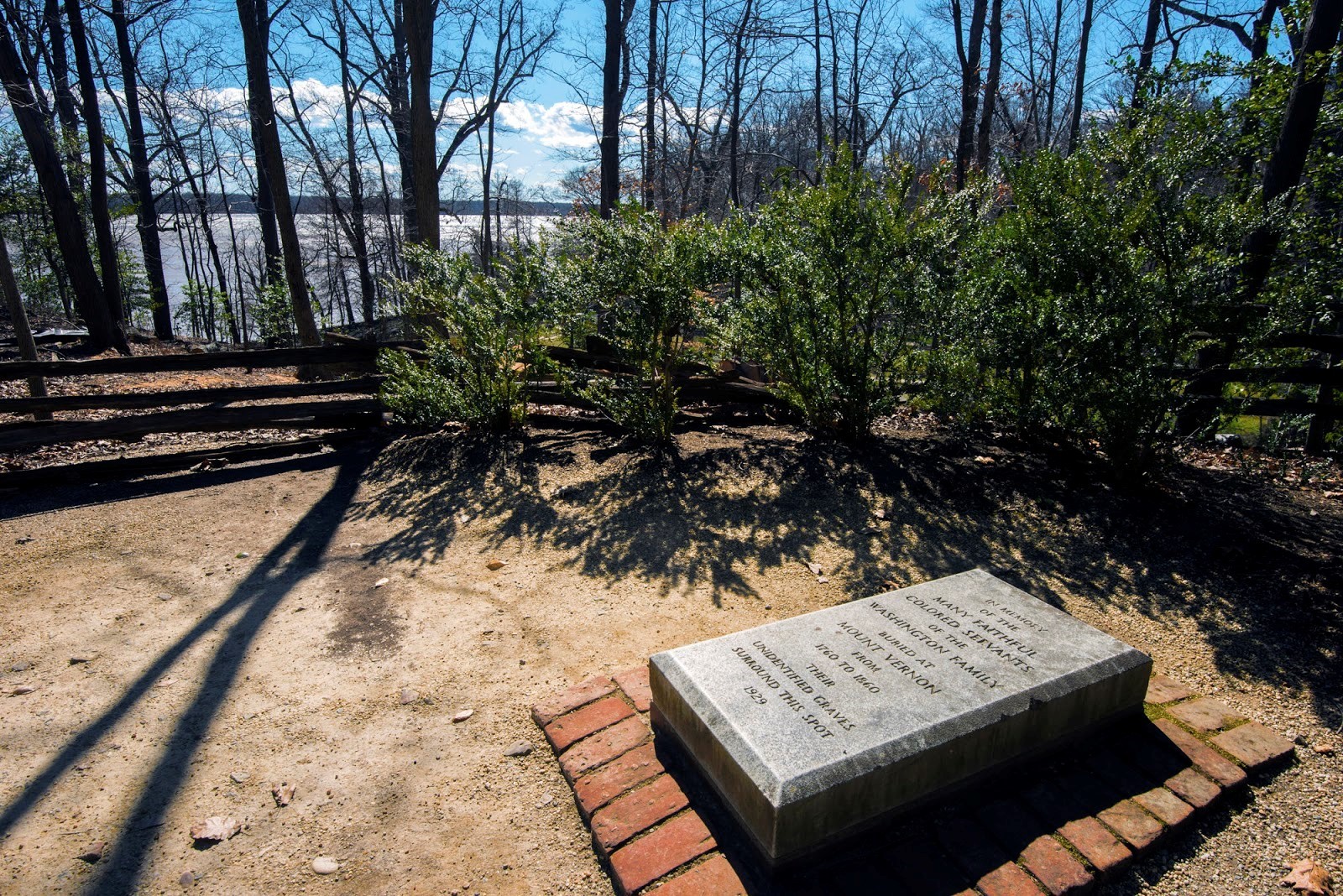
The MVLA places a memorial stone at the site of the African American Burial Ground near Washington’s tomb. Annie Burr Jennings, Vice Regent for Connecticut, pays for the marker. It is the first of its kind in the United States.
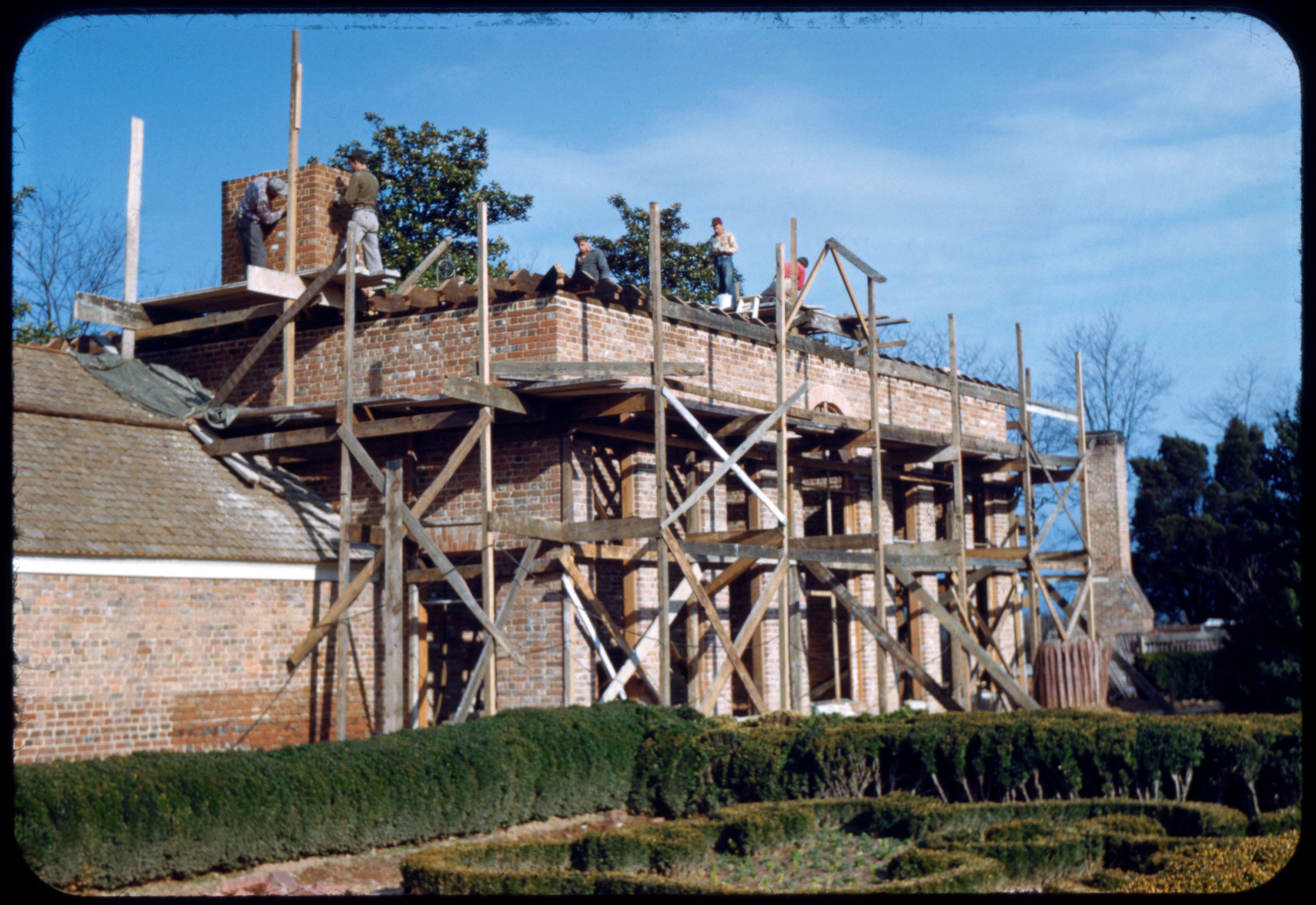
New Slave Quarter Reconstruction
The MVLA reconstructs the New Quarter, which had been destroyed by fires in the 19th century.
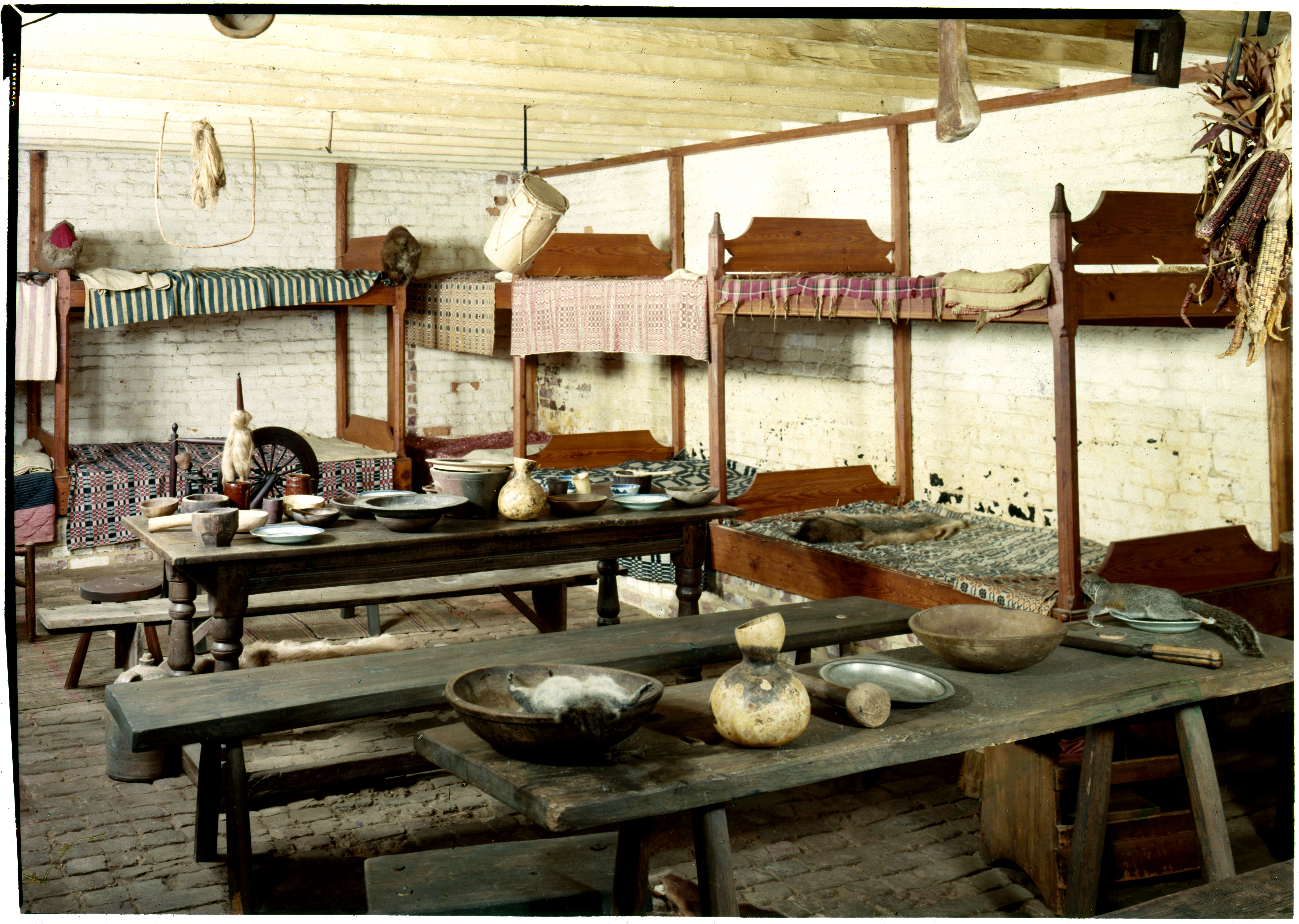
Refurnishing of Interior Bunkroom
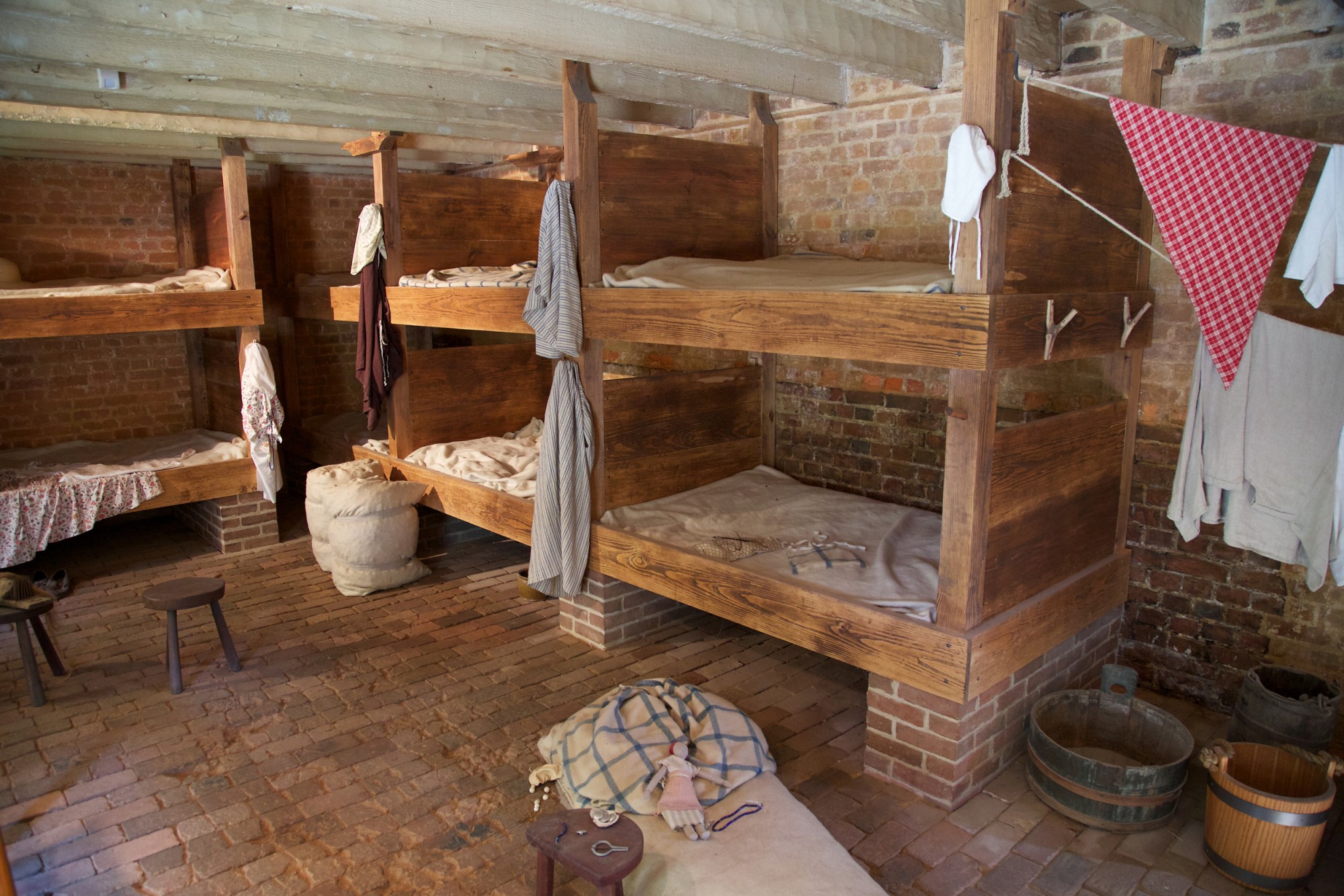
One interior bunkroom is refurnished and opened to the public—one of the first opportunities to learn about the lives of enslaved people at a historic site.
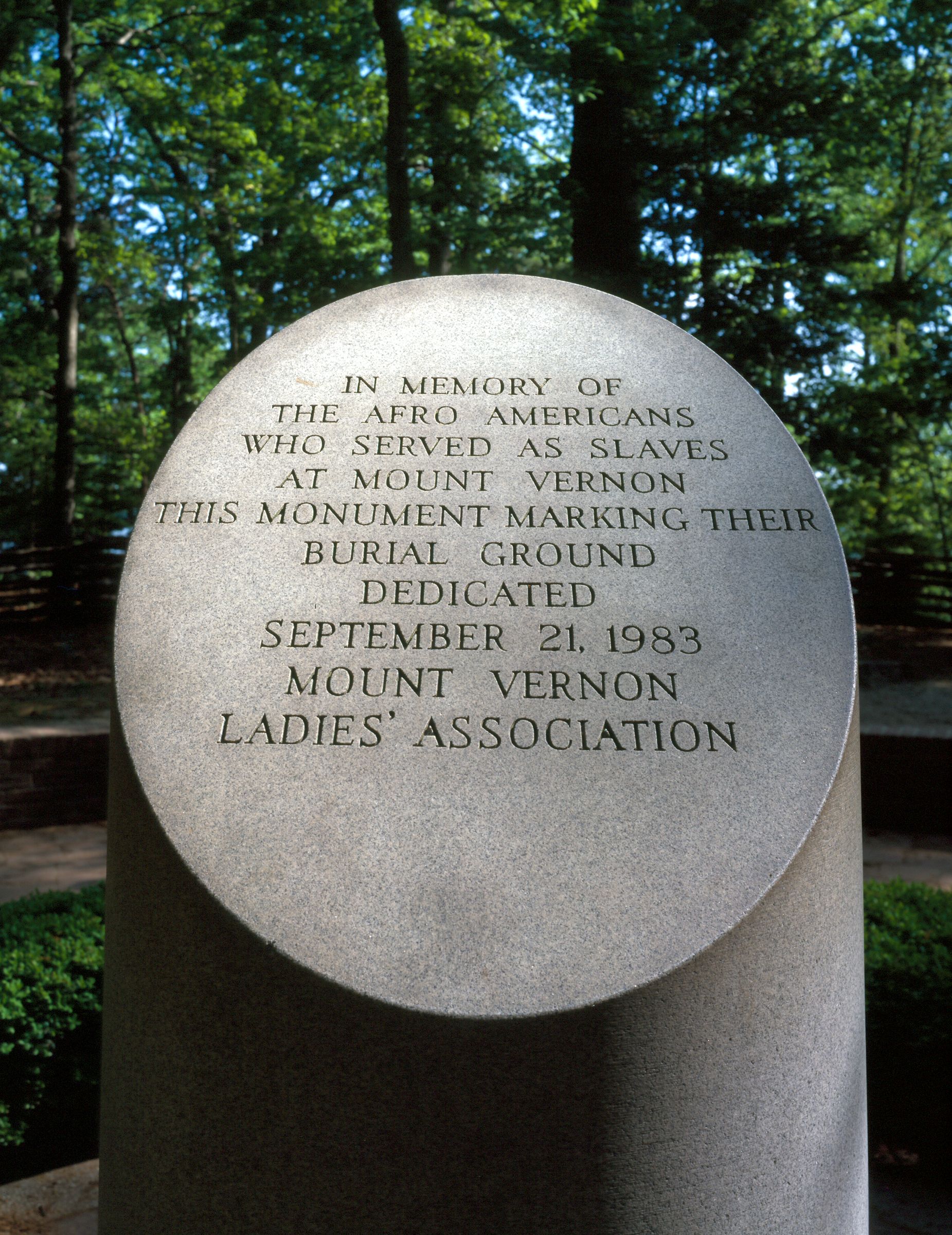
A New Memorial
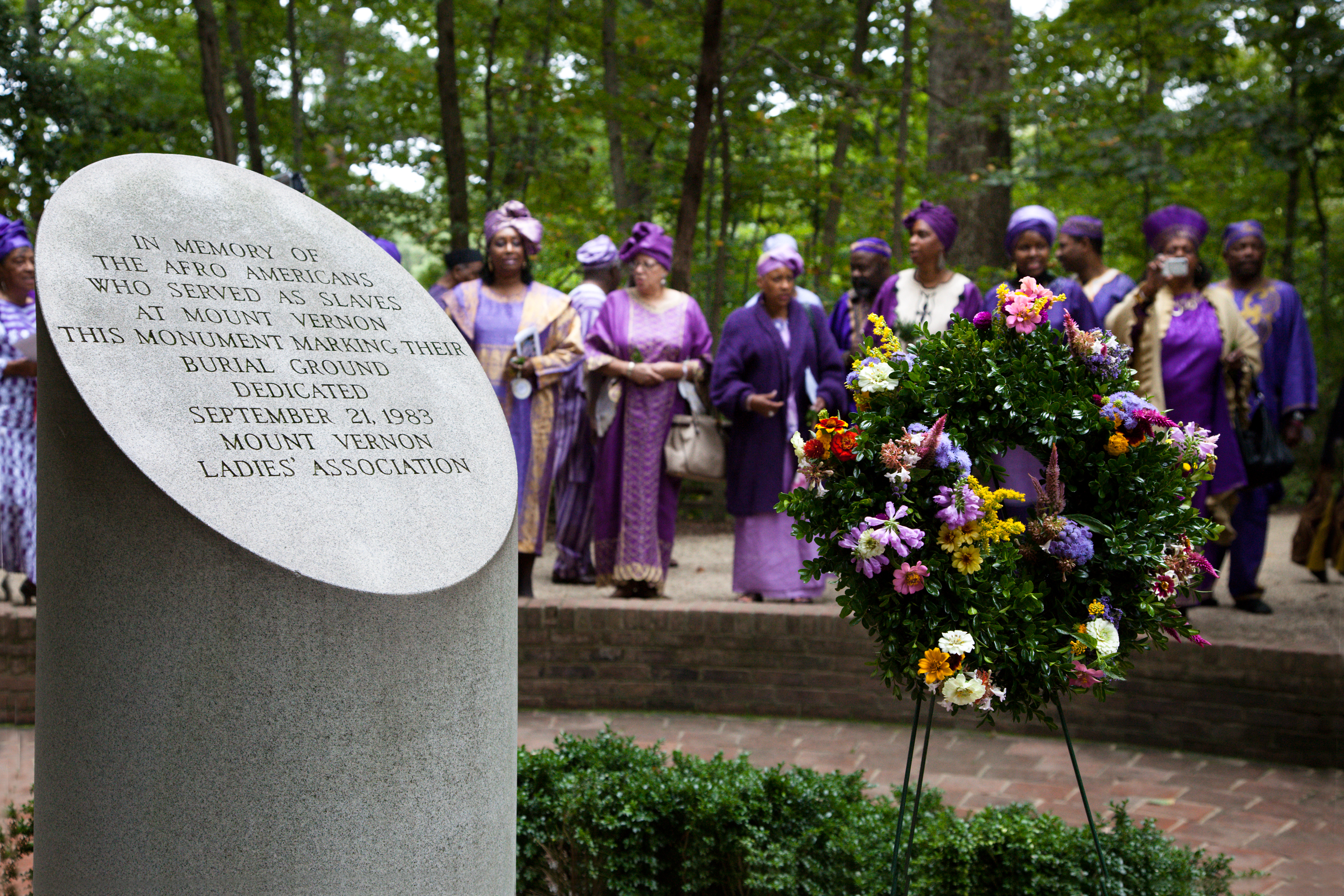
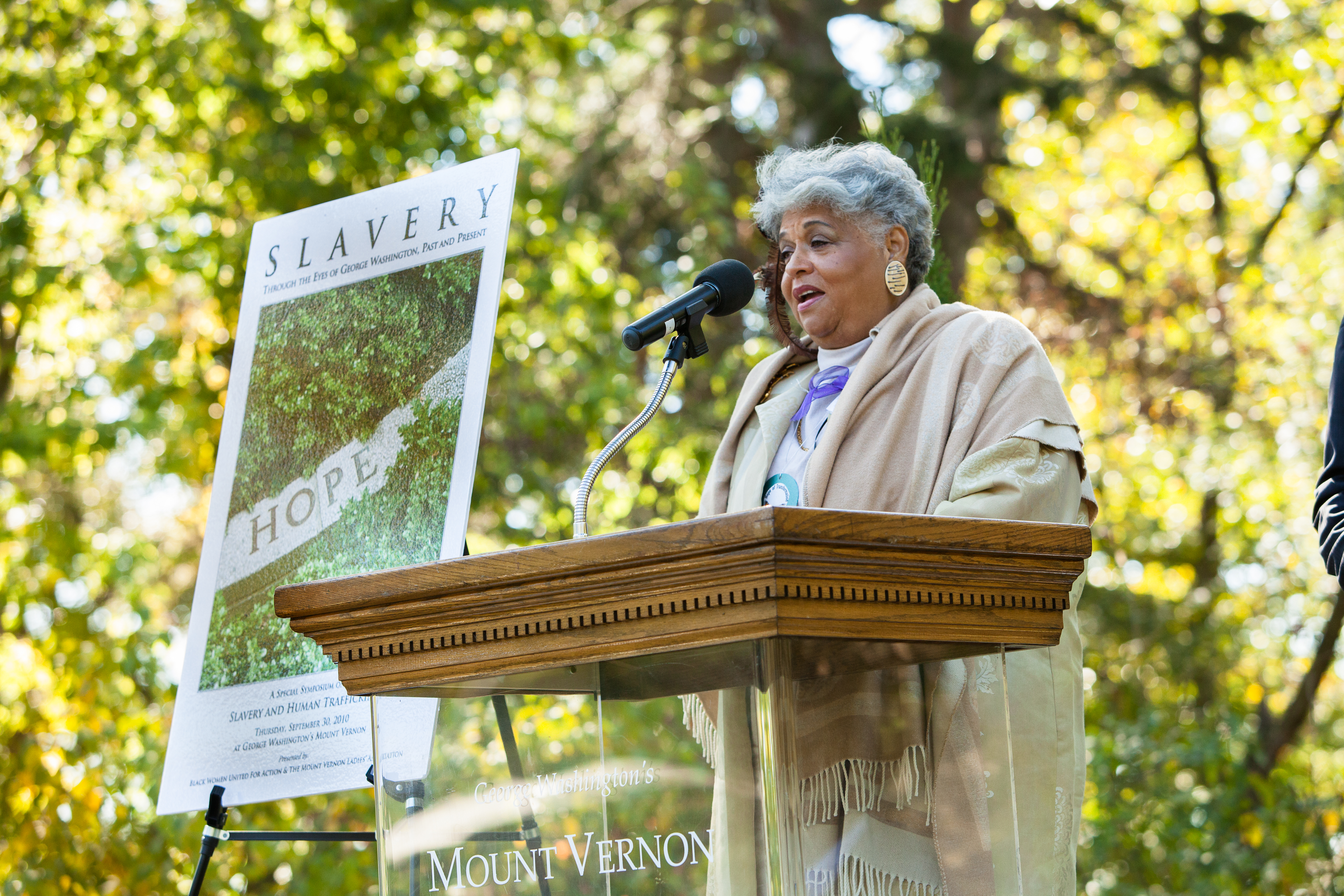
Activists led by the organization BWUFA place a new memorial at the burial ground. Architecture students from Howard University design the monument.
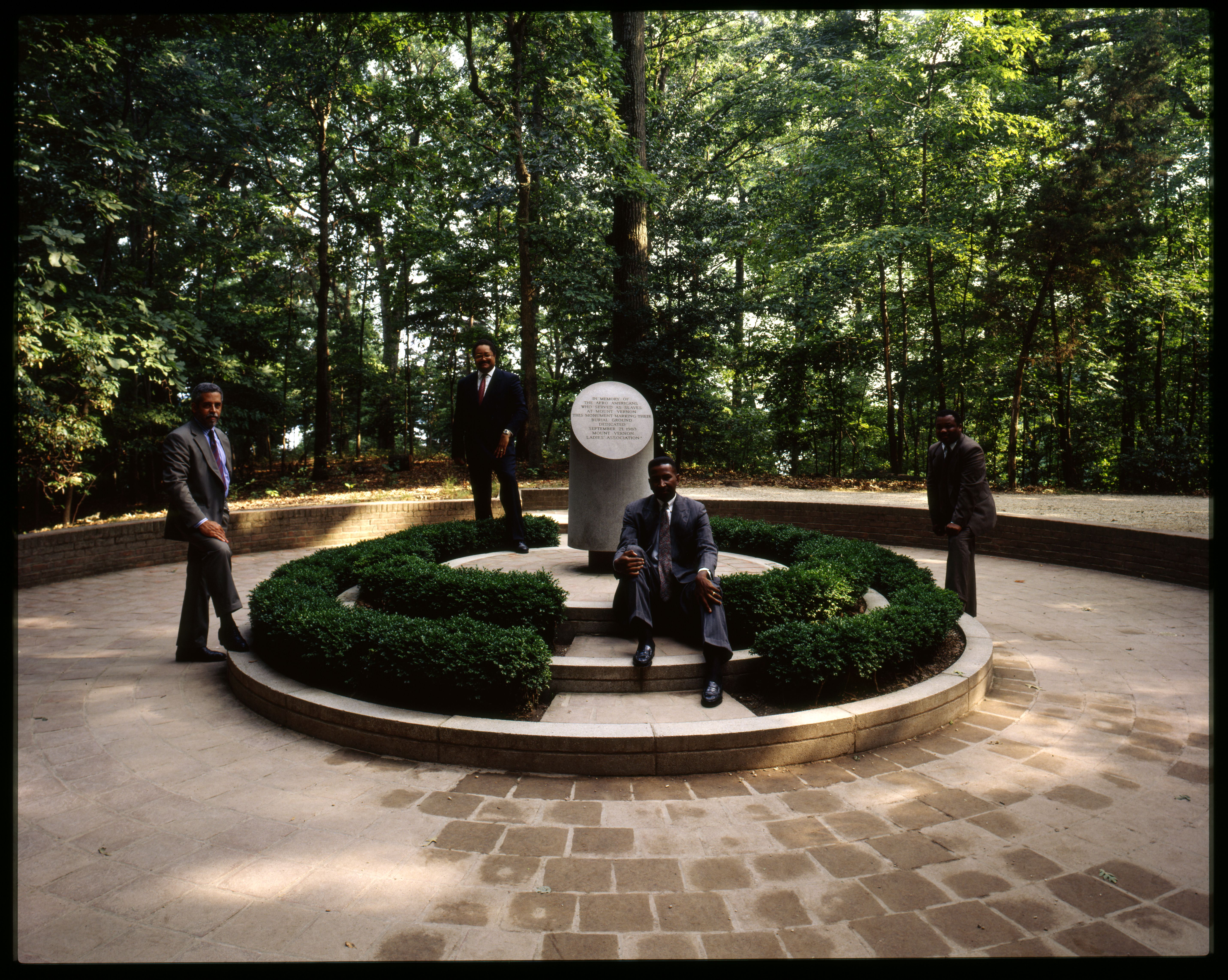
BWUFA Begins Traditional Wreath-Laying Ceremony
BWUFA begin the tradition of an annual wreath-laying ceremony at the memorial.
"Slave Life" Tour
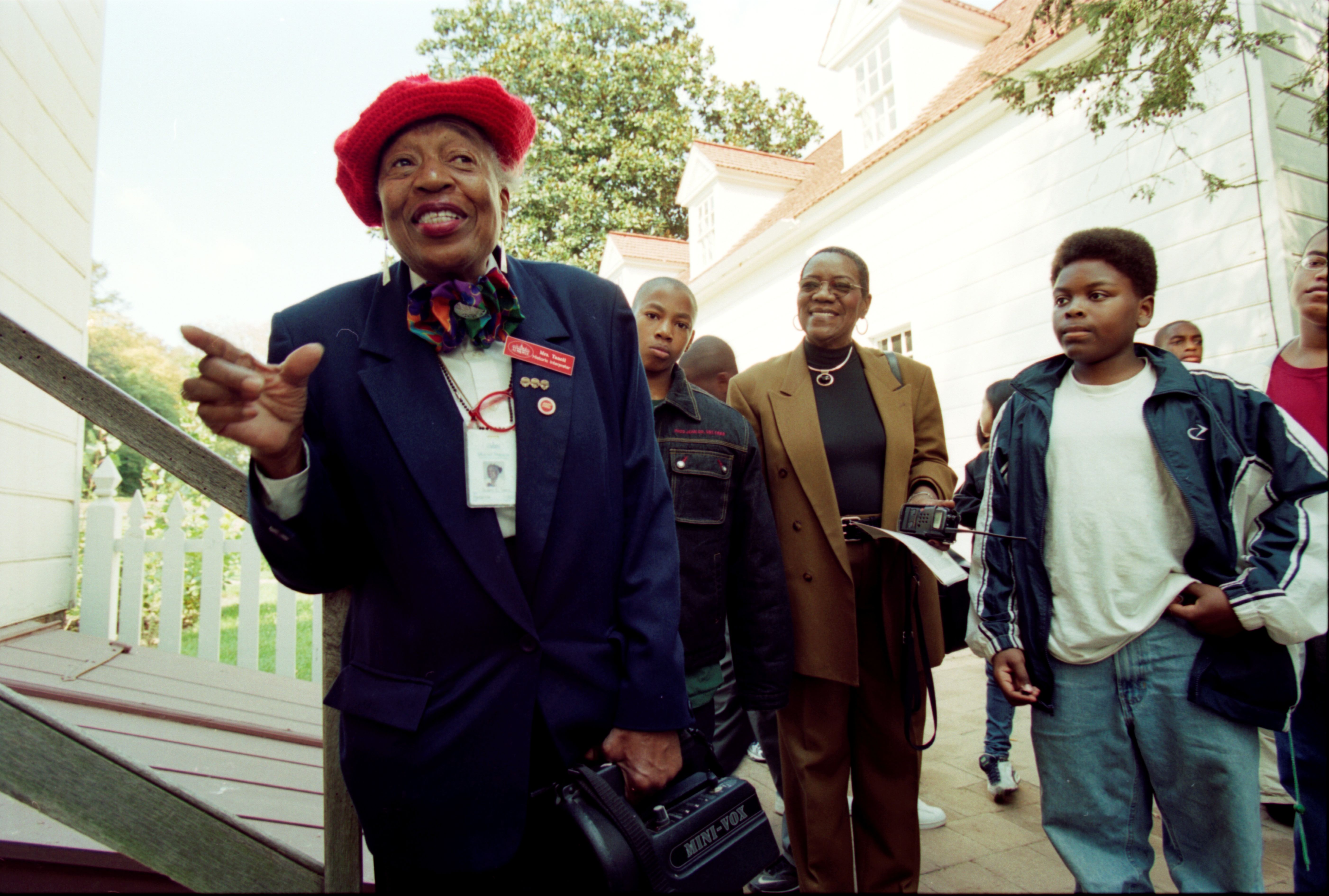
Gladys Quander Tancil, the first African American historical interpreter at Mount Vernon, begins offering a “Slave Life” tour focused on the estate’s enslaved people. Tancil’s ancestor was Nancy Quander, an enslaved woman freed by Washington’s will.
2000
Replica Slave Cabin
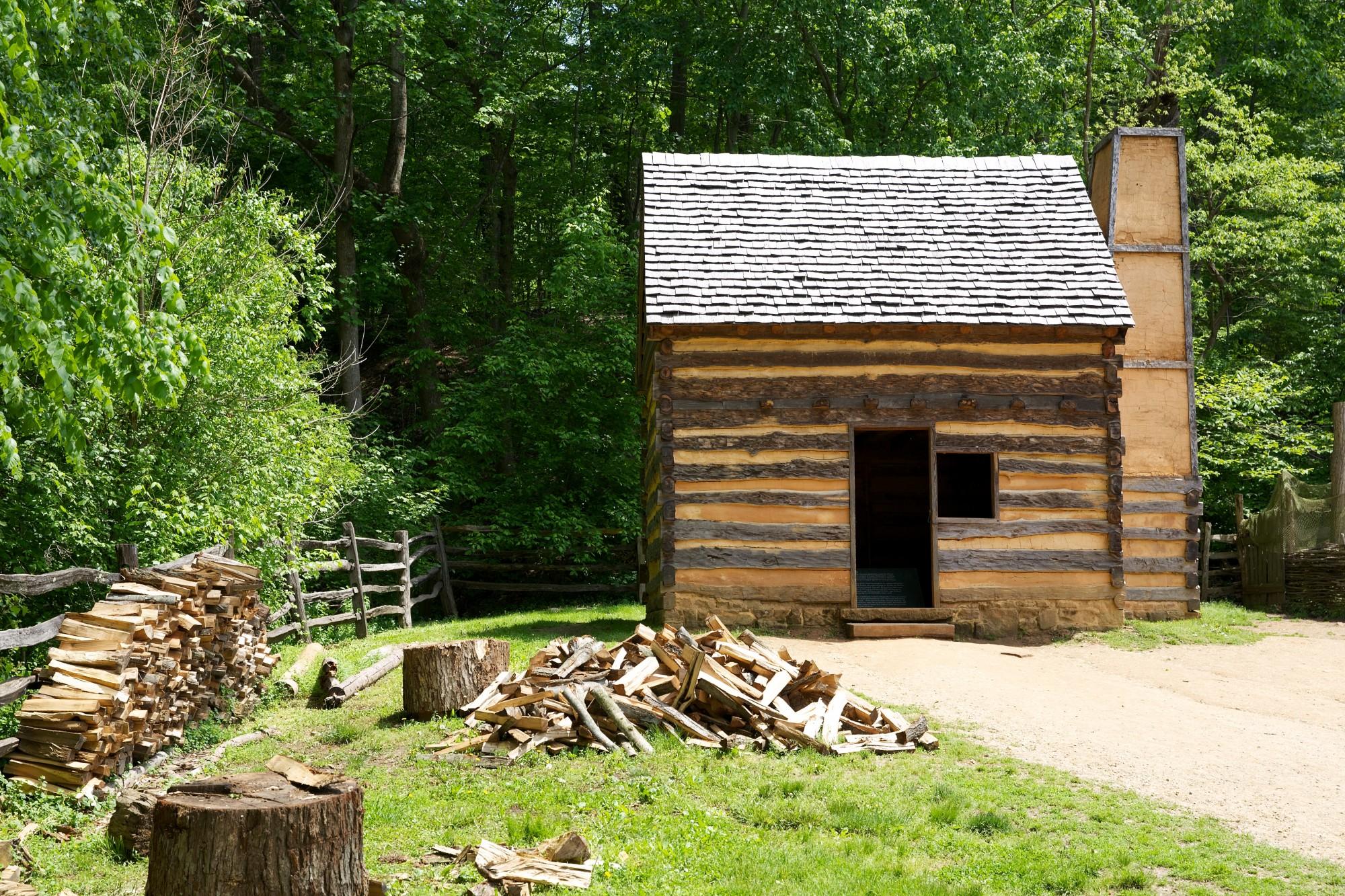
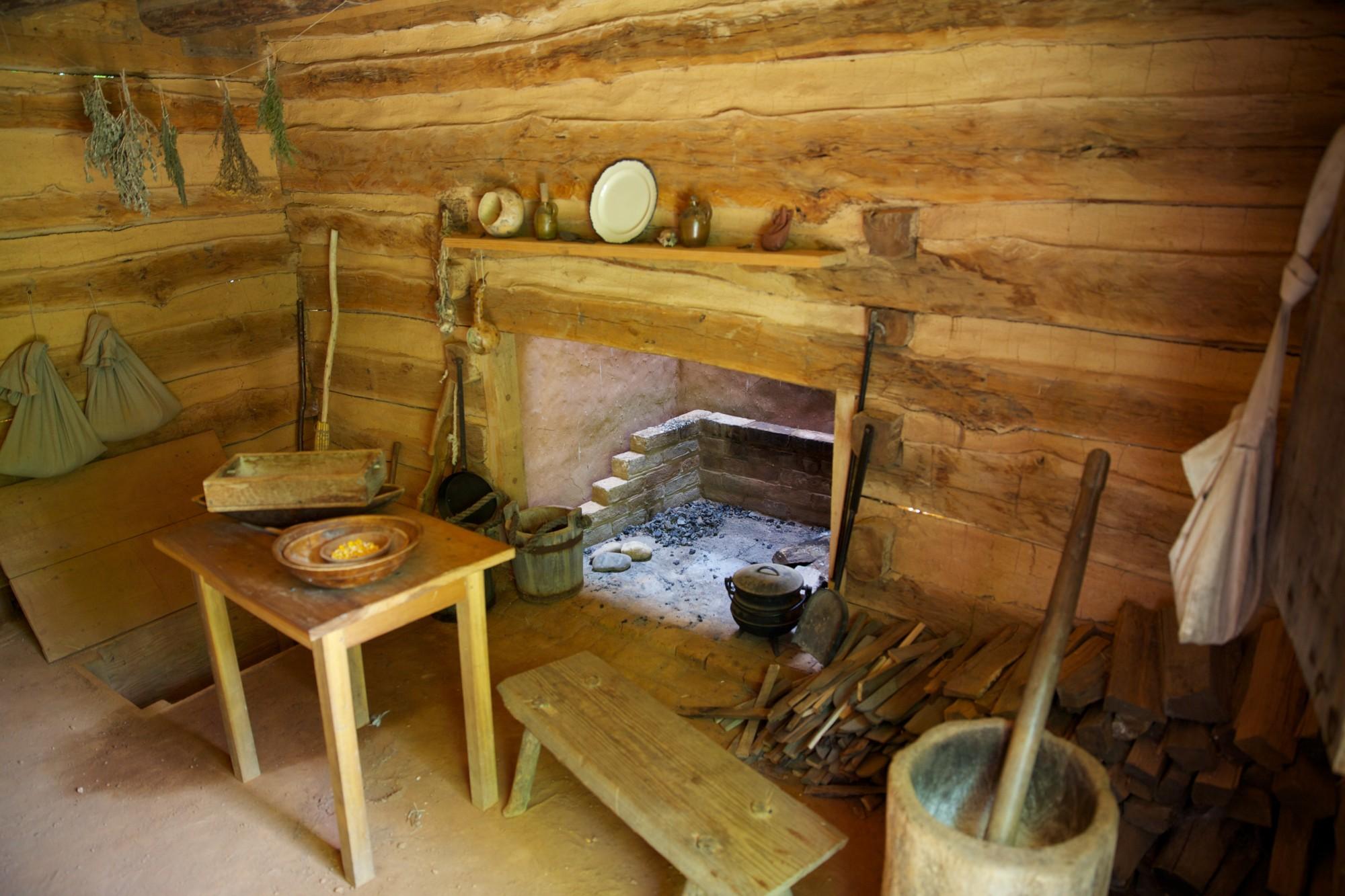
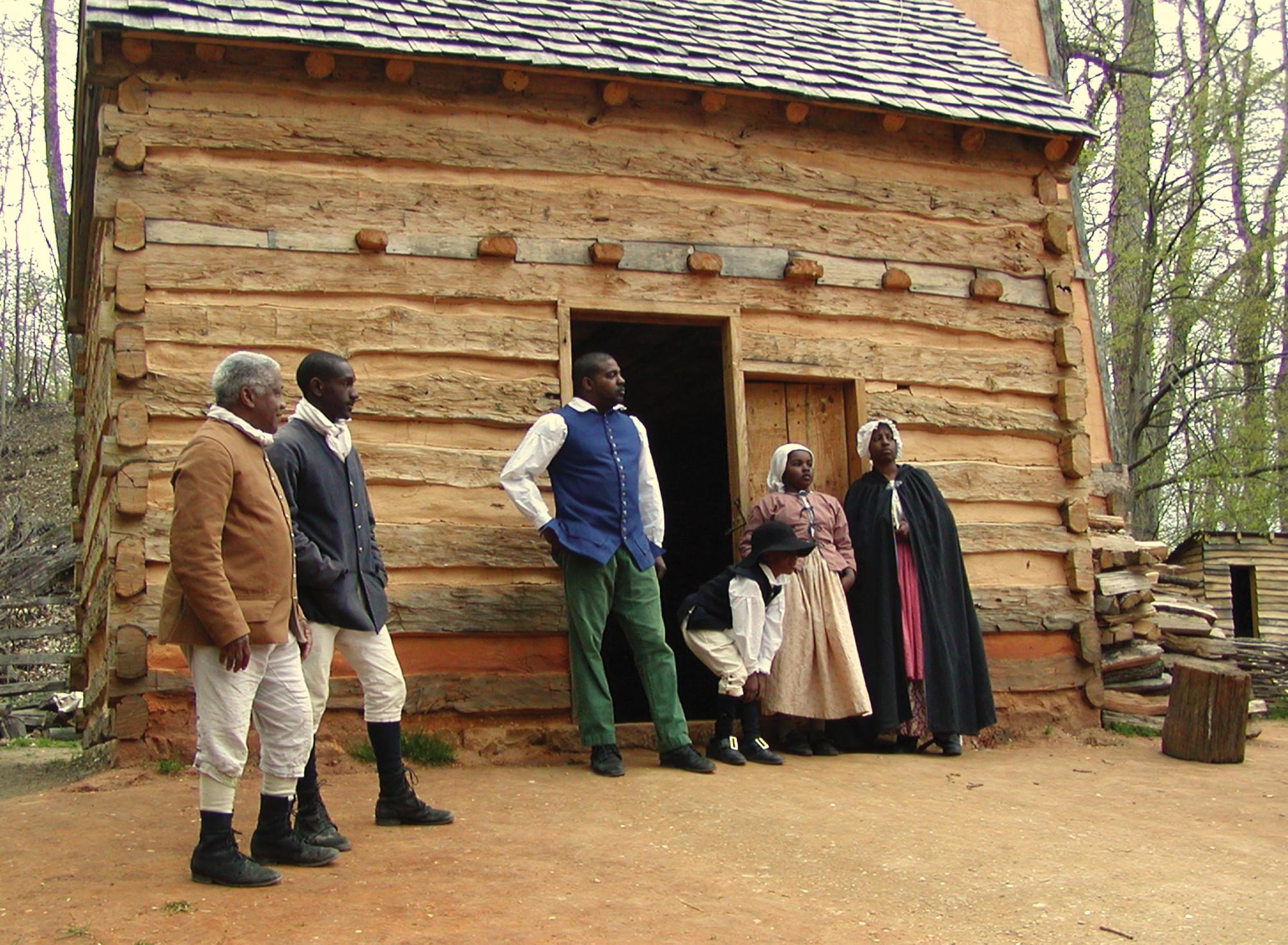
Mount Vernon opens a replica slave cabin at the Farm site, based on an early 20th-century photograph. This replica structure shows the conditions under which many of Mount Vernon's enslaved laborers lived.
New Quarter Refurnishing
The New Quarter is refurnished based on ongoing research, and an additional bunkroom opens to visitors.
Archaeological Research at the African American Burial Ground
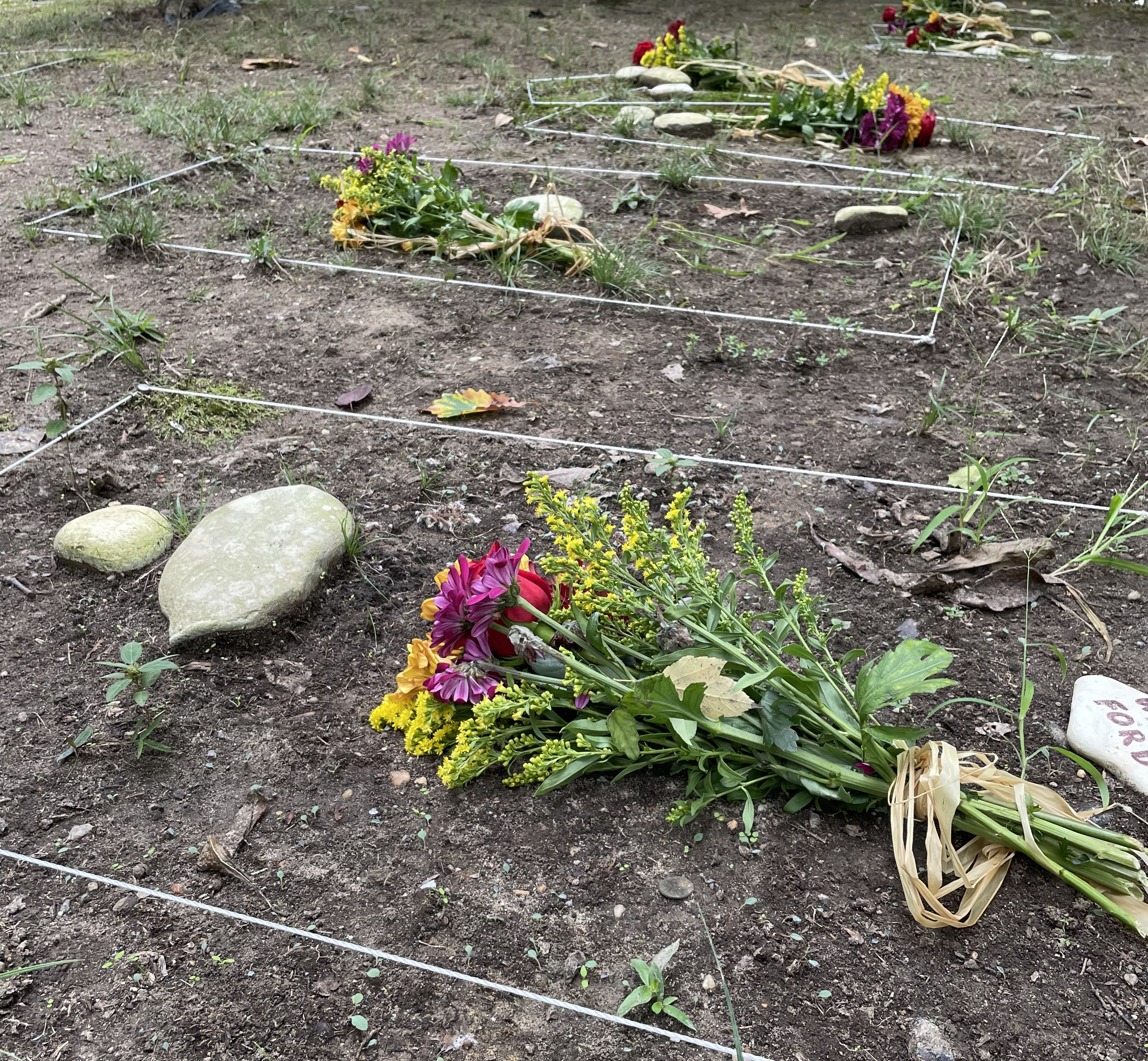
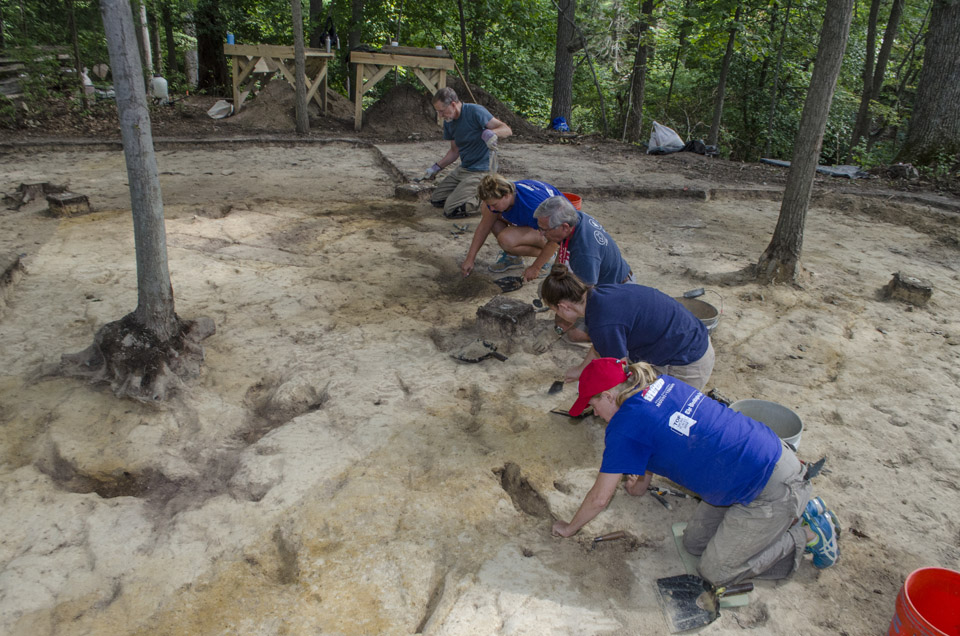
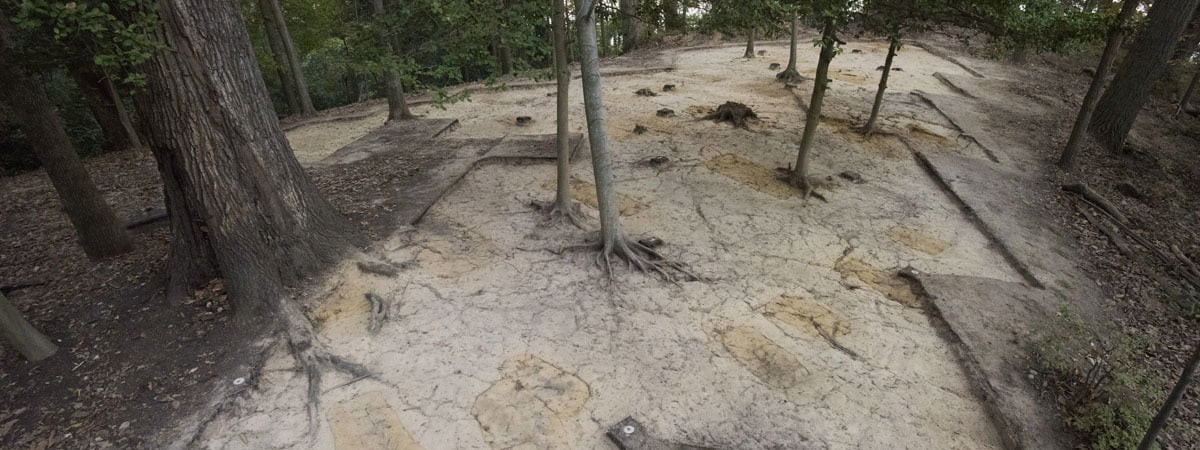
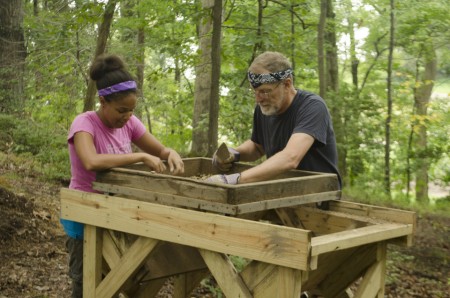
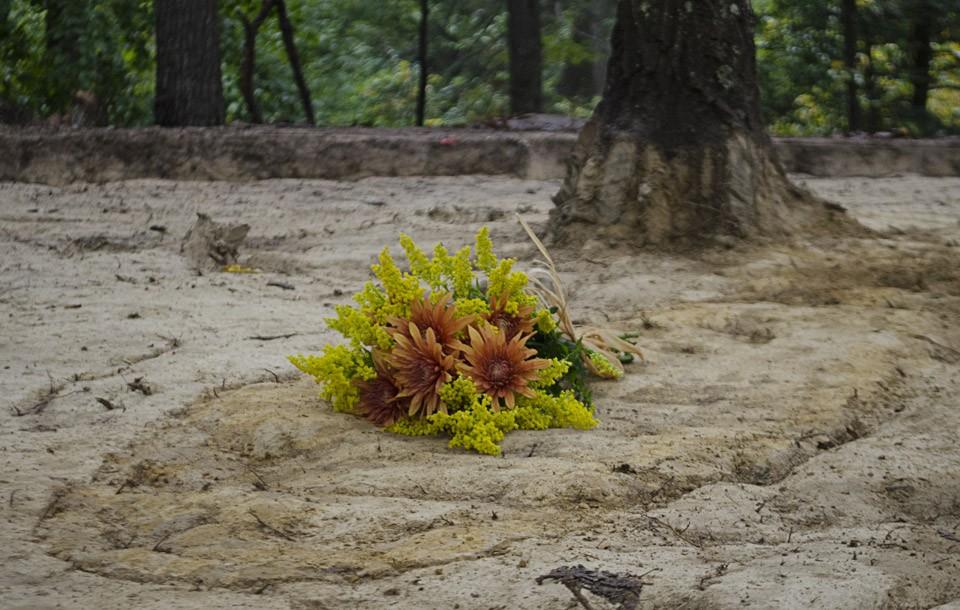
Mount Vernon’s archaeology team begins an ongoing survey of the African American Burial Ground, seeking to determine the number and arrangement of graves. As of 2025, 87 graves have been identified. No human remains have been disturbed.
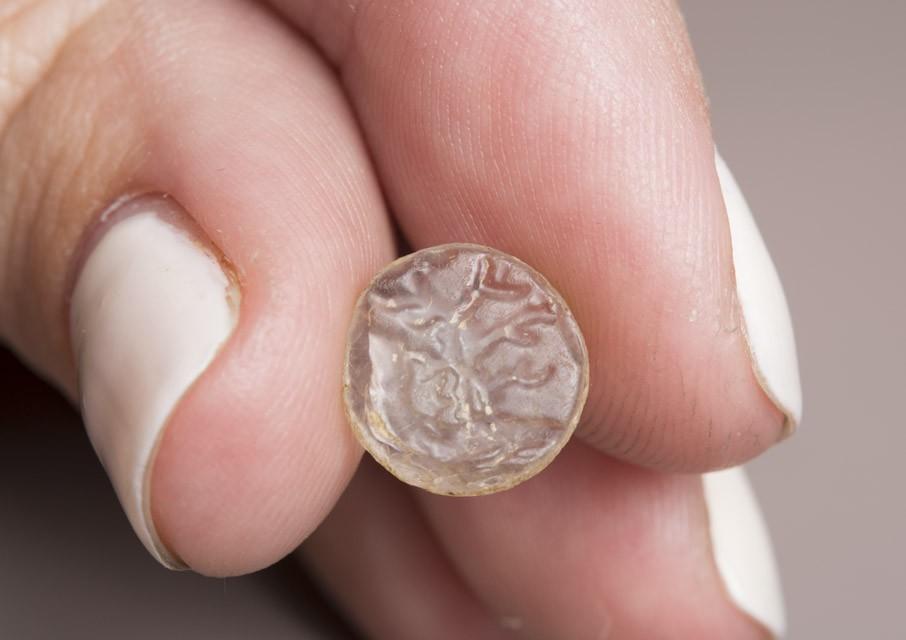
Database of Enslaved People & Oral Histories with Descendants
Mount Vernon launches a groundbreaking project to document the lives of the hundreds of enslaved individuals who lived and labored on George Washington’s estate. The database offers researchers, descendants, and the public access to primary sources, genealogical data, and educational materials.
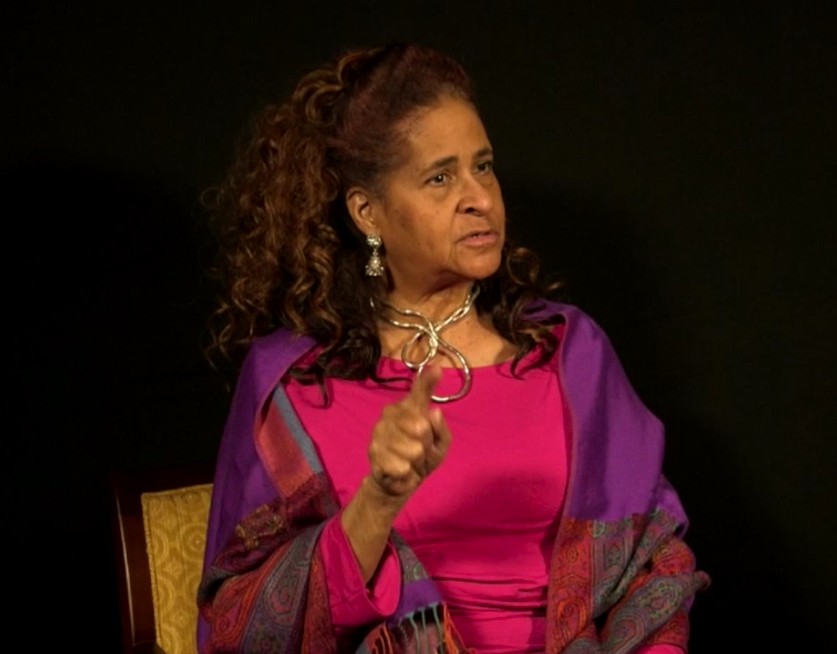
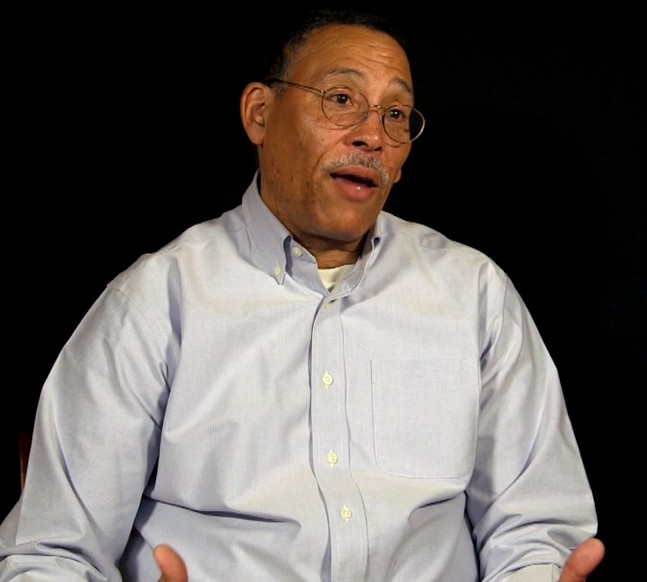
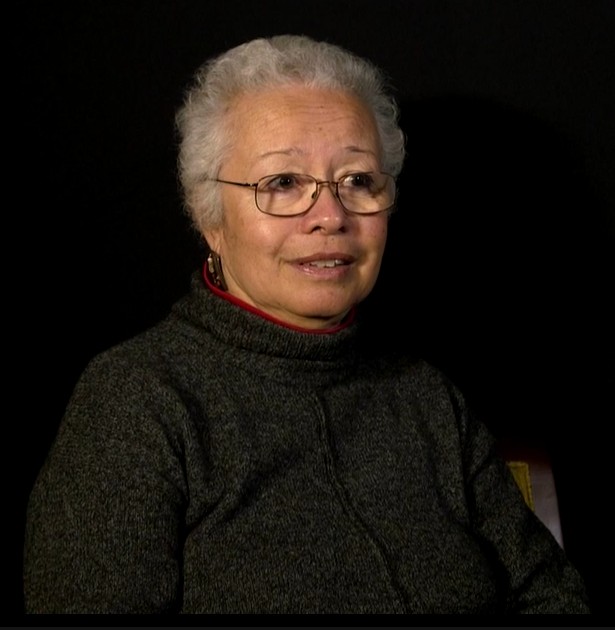
Mount Vernon also conducts oral history interviews with descendants of people enslaved here in order to record their family stories.
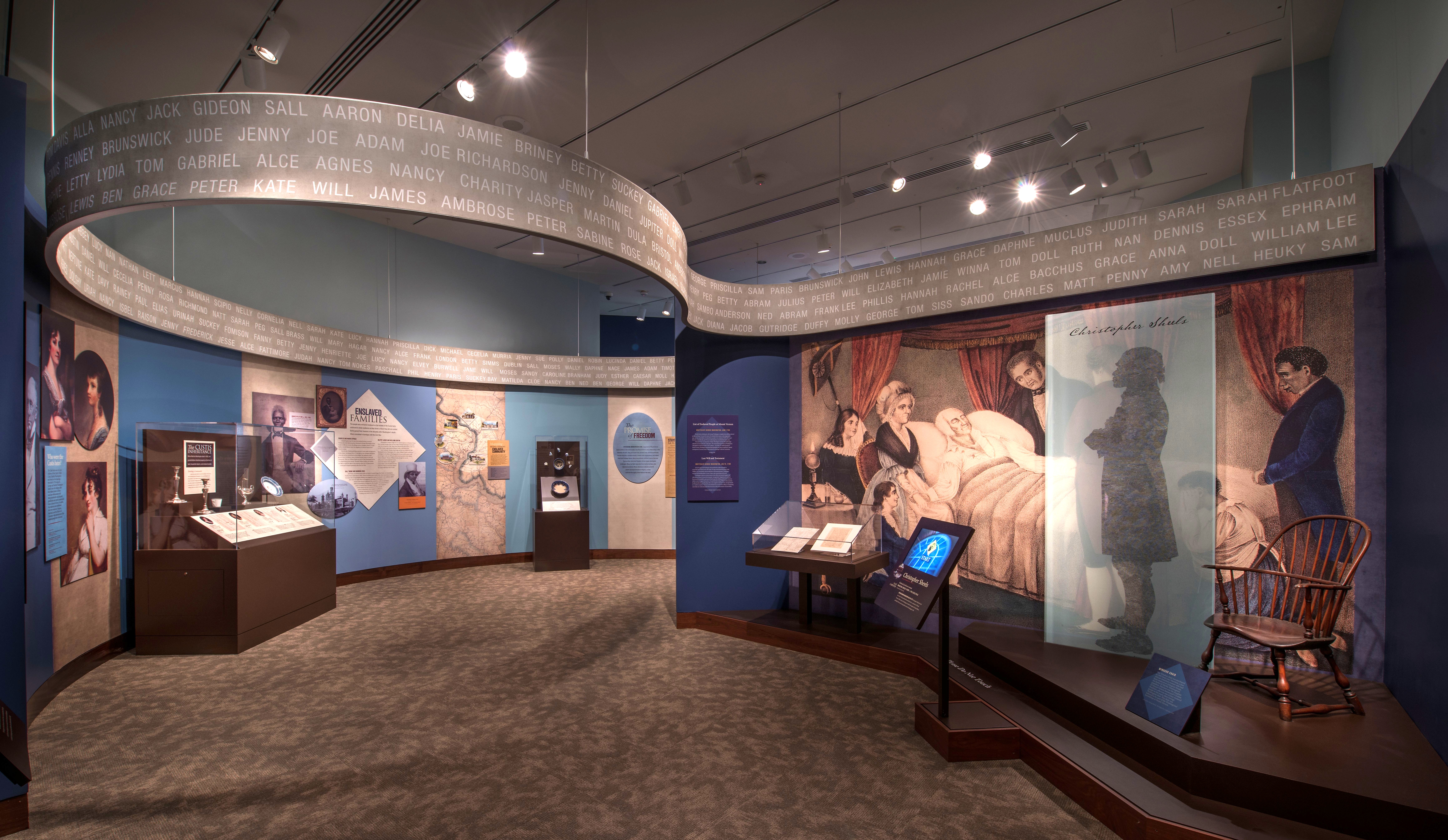
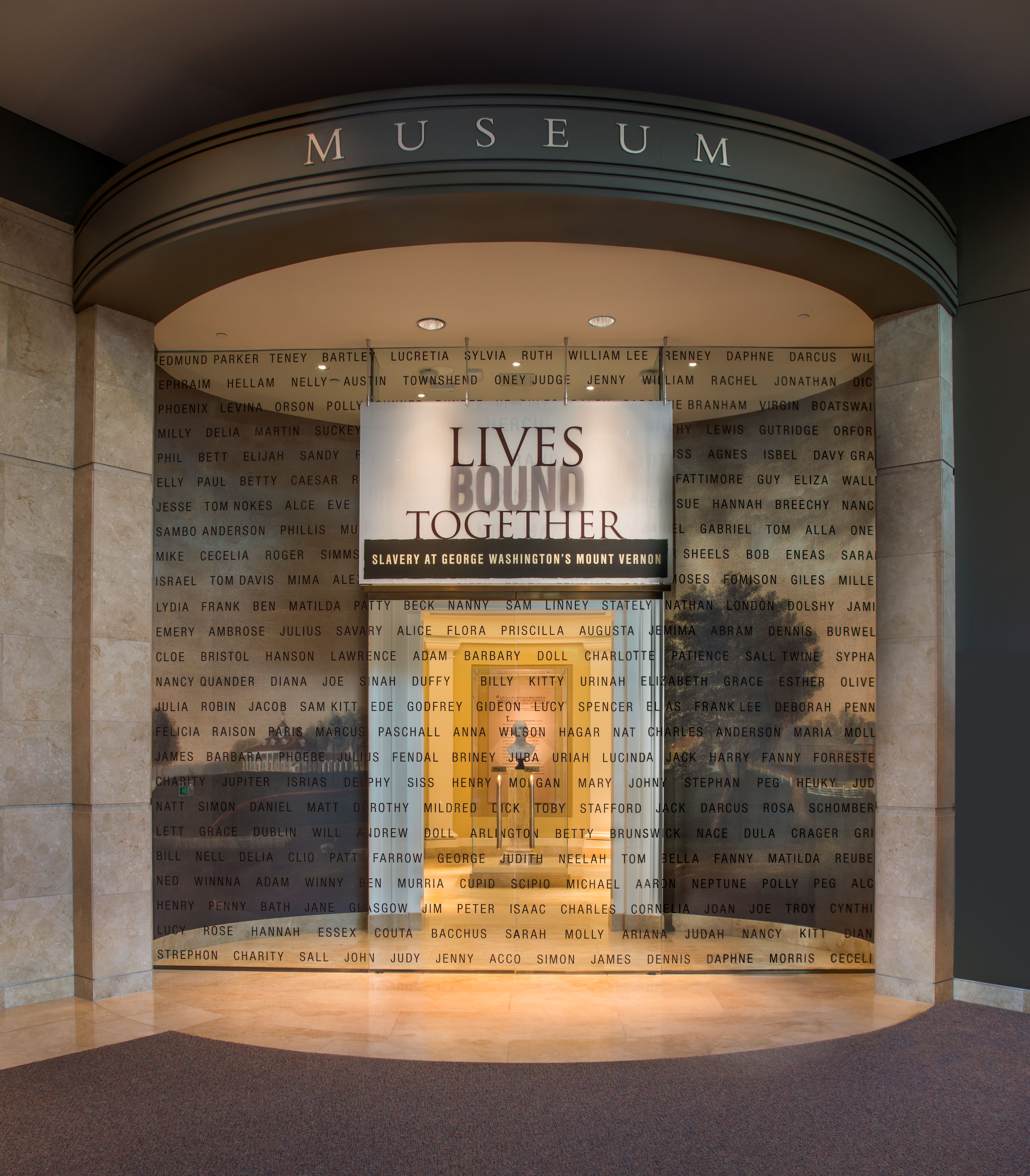
Lives Bound Together Exhibition Opens
The Donald W. Reynolds Museum exhibition, Lives Bound Together: Slavery at George Washington’s Mount Vernon, opens and is on view until 2021.
The League of Descendants is Founded
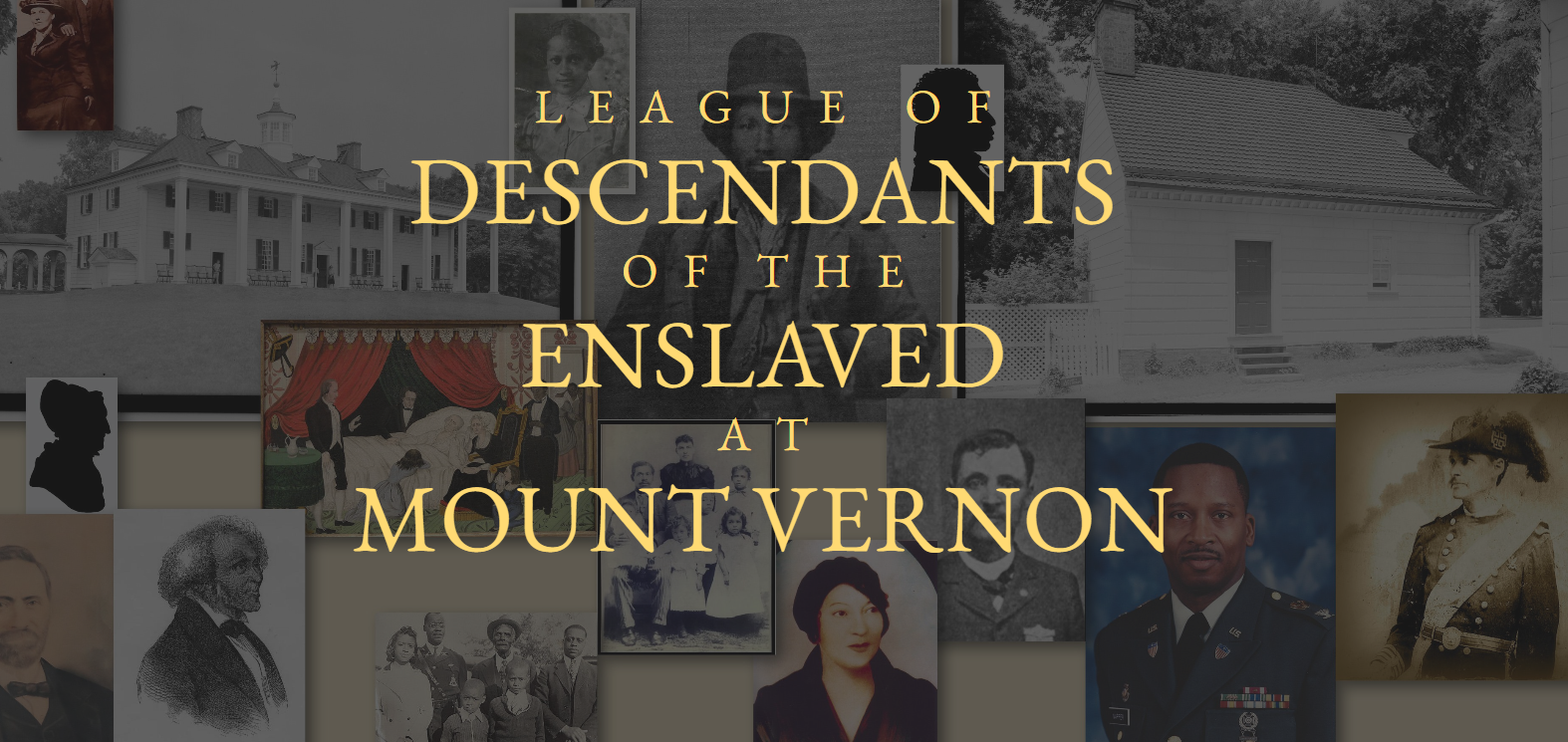
Descendants of people enslaved by the Washington family found the League of Descendants of the Enslaved at Mount Vernon, an organization that furthers research and interpretation about members’ ancestors.
Establishment of Research Fellowship
In partnership with the Mount Vernon Ladies’ Association, Black Women United for Action establishes an annual research fellowship at the George Washington Presidential Library to support research into African American history and leadership.
Lives Bound Together Exhibit Reimagined in Historic Quarters
On Juneteenth 2025, Mount Vernon opened a reimagined version of the Lives Bound Together: Slavery at Mount Vernon exhibition within the historic greenhouse slave quarters. Evolving from the original 2016 museum exhibit, this permanent installation explores the lives of the 317 enslaved individuals at Mount Vernon through archaeological artifacts, descendant stories, interactive displays, and immersive historic spaces.
The exhibit explores the specialized skills, family life, and resilience of individuals such as Isaac, Kate, and Caroline Branham, while highlighting the legacy of George Washington’s decision to free those he enslaved and the continuing efforts by the Mount Vernon Ladies’ Association and community partners to honor and share this history.
This new exhibit introduces us in powerful ways to the hundreds of men, women, and children who were enslaved at Mount Vernon. It tells us about their lives, their loves, and how they found ways to survive and thrive in a world that denied their freedom. It also introduces us to the evolution of George Washington’s thinking about slavery, a system that he called his only avoidable subject of regret. Washington freed his slaves, concluding that a country conceived in liberty could not rely on human bondage.
- Anne Neal Petri, Regent of the Mount Vernon Ladies' Association