by James Lautzenheiser
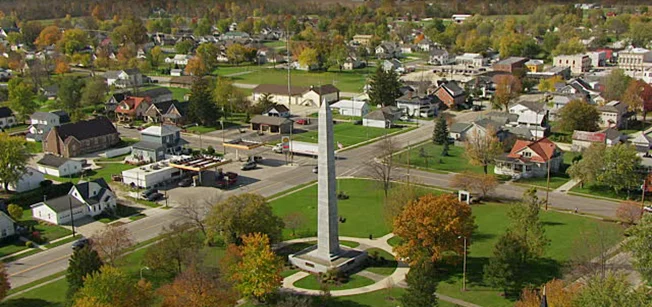
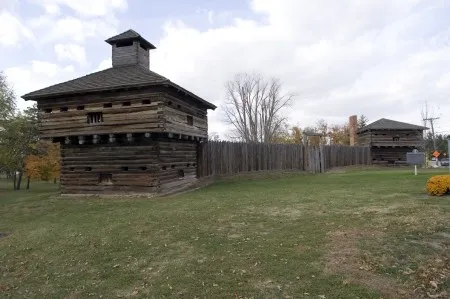
Thirty-nine miles south of Crestview Local Schools (Convoy, Ohio), in the present-day town of Fort Recovery, Ohio, stands a physical reminder of one of the costliest days in the history of the United States Army. The rural agricultural town looks a lot like my community except for the large obelisk-shaped memorial across the street from Fort Recovery High School and the recreated, blockhouse-style fort that stands at the entrance of the town along route OH-49.
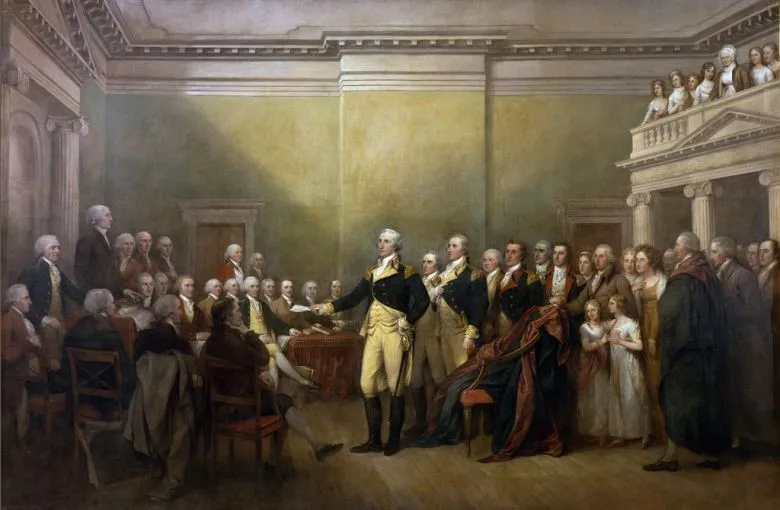


 When we transition to discussing the Articles of Confederation that attempted to create Union and foster organization and collaboration among the several States, we examine the inability of the Confederation Congress to adequately sustain a standing army in the field and its continual failure to compensate military veterans and new recruits to the American army. Additionally, the first attempts to expand into the West, in places like the Ohio country, through land ordinances were also convenient methods to encourage the resettlement of cranky war veterans to remote, rural regions far away from the seats of government on the Atlantic coast. Large elements of the remaining army would be offered prime land speculation opportunities in the West as long as they were at the tip of the spear with expeditions to clear land and deal with the Native Americans in the years that followed.