George Washington’s growing leadership in Virginia’s civic and political life transformed him from a planter into a respected public leader.
In the 1760s, with his military career seemingly behind him, George Washington turned his attention to Mount Vernon, experimenting with new agricultural methods to build a sustainable and profitable plantation. His marriage to Martha Dandridge Custis, a wealthy widow, expanded his household and brought significant land, wealth, and enslaved laborers to the estate.
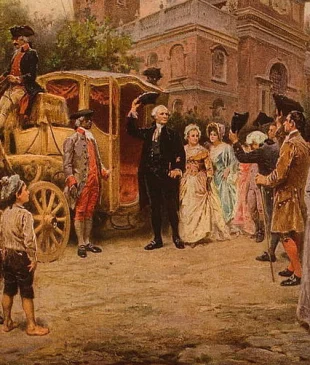
As his prominence grew, Washington began serving in the county court, church, and colonial legislature, building a reputation as a trusted and capable community leader in Virginia.
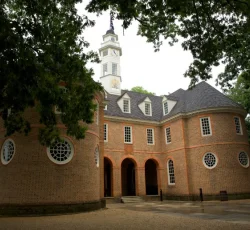
House of Burgesses
As he settled into gentry life, Washington looked for ways to serve his community. His 17 years in the Virginia legislature helped him build important connections across the state and learn the legislative process.
Learn More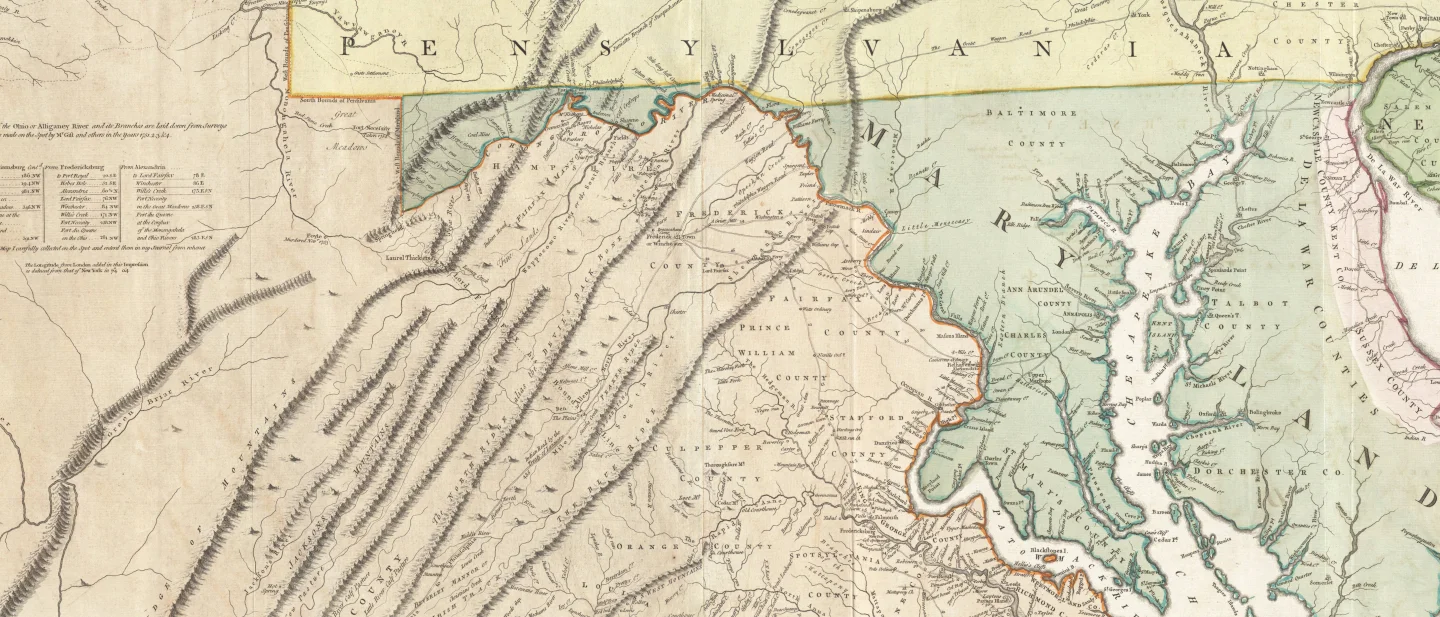
Freemasonry
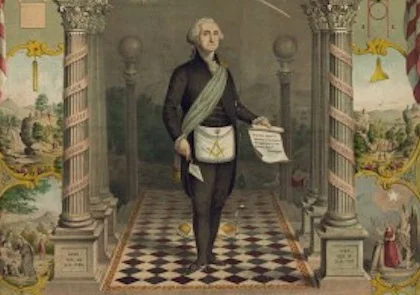
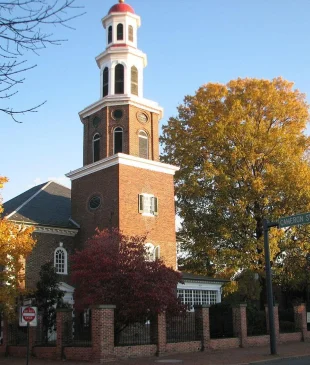
Freemasonry played a role throughout George Washington's life—from his initiation into the Fredericksburg Lodge in Virginia in 1752 to his death, when brothers of the Alexandria Lodge performed Masonic rites at his funeral.
Washington became a master mason at his local Masonic lodge. The Masons are a fraternal network built on moral, intellectual, and spiritual lessons.

Freemasonry
Washington became a master mason at his local Masonic lodge. The Masons are a fraternal network built on moral, intellectual, and spiritual lessons.
Learn More
Farmer
As Washington rose into the ranks of Virginia’s gentry, he sought to improve Mount Vernon by experimenting with more efficient and profitable agricultural practices.
Washington the FarmerMarriage to Martha Dandridge Custis
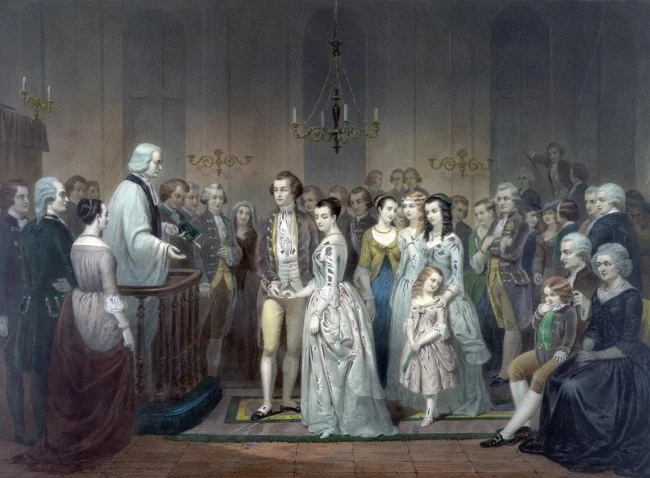
George Washington and Martha Dandridge Custis’s marriage joined two young, ambitious, and compatible people in a formidable combination. Washington had cultivated leadership skills on the battlefield, but lacked financial resources. Martha Washington had managed her late husband’s properties, and brought both wealth and business savvy into the union. She was a cultured and educated woman who was equipped to run a large estate.
As a widow with young children, she no doubt hoped to marry a man who would be a good father. She could hardly have dreamed all that George Washington would accomplish. It is unlikely that he would have had the same success without his marriage to Martha.
John (Jacky) Parke Custis & Martha (Patsy) Parke Custis

Relocated to Mount Vernon
When Martha Washington came to Mount Vernon, dozens of enslaved people from her Custis estates in New Kent County and Williamsburg were forced to relocate north, separating many from families and communities they had known for generations.
Slavery at Mount Vernon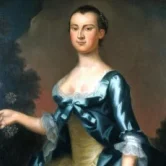
Martha Dandridge Custis
Building a Growing Business
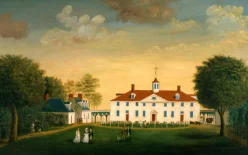
Using the wealth provided by his marriage to Martha Washington, as well as savvy business deals with his neighbors, Washington improved and expanded the plantation inherited from his half-brother. Ultimately, he added more than 6,000 acres and countless agricultural buildings. He would similarly direct the improvement and expansion of his house from a respectable planter’s home to the Mansion familiar to visitors today.